The Only Way is Essex ……. August 2019

On any major trip that we have embarked upon in recent years, the “Relly Run” has become a mandatory component. Living, as we both do, half way round the world from extended family and our birth place, we always need to reconnect with our roots. This includes family members we hold dear but see rarely. Hence the “Relly Run” – time spent with various relatives in different parts of the country.

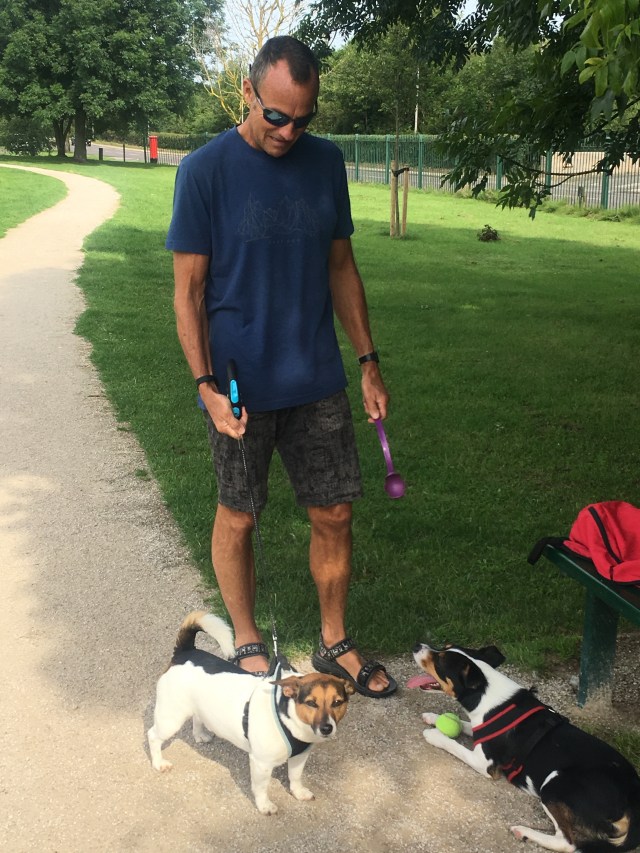
Back once again in Stapleford, following our long arduous journey from Malta, we spent the final weekend with our girls, relishing the warm sunny days. A very casual few days included walks along the towpath to Ilkeston, the old mill town market square crammed with lovely old pubs, shops, a church and a large outdoor market area, as well as the usual trips to the local Wetherspoon in Stapleford and home cooked dinners. On one walk into Stapleford we encountered an old tradition that’s growing in popularity – a horse drawn hearse in a funeral procession along the High Street. Beautiful polished black carriage behind two shiny black horses in plumed livery and attendants wearing top hats and tails.

Goodbyes are always tinged with sadness but also with the understanding that we’ll be back. So it was as we left Nottingham on the coach bound for London, then on to Chelmsford and Sue’s family in Essex. This historic old Roman county in Southern England is unfairly tainted with a reputation for being rough and ready and overrun with loud, crass, uneducated yokels. There are so many beautiful, serene and grand old towns and villages set among rolling farmlands across the county to offset the relatively small area around Tilbury Docks that perpetuate this myth. 

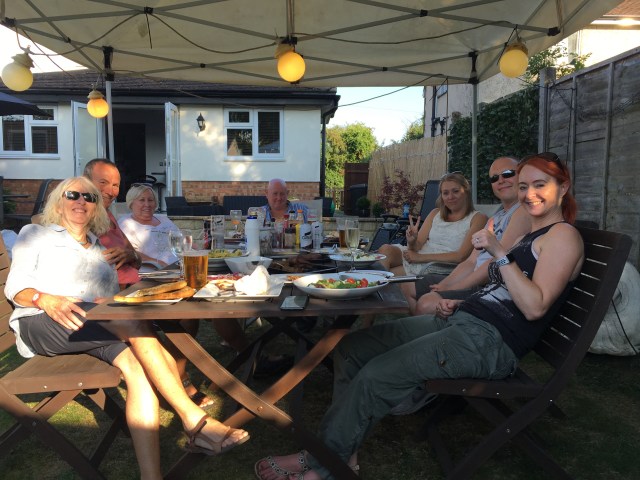
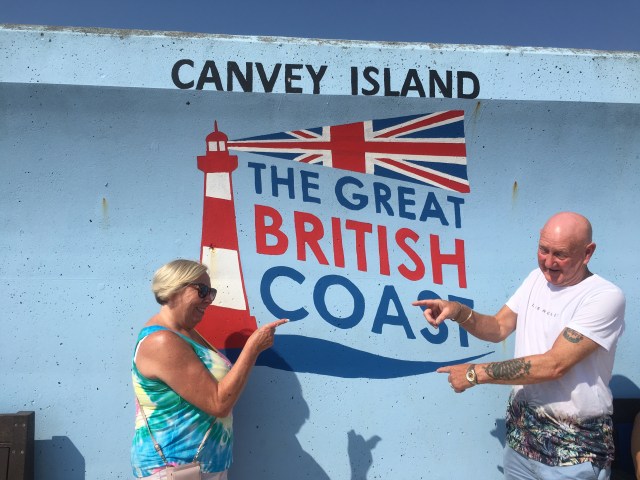
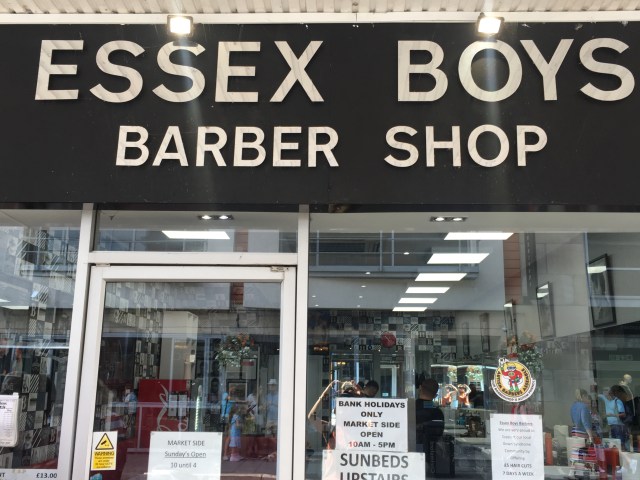
Nicky and Mark, who live in Great Baddow, were our generous hosts once more and we love spending time with them in their gorgeous home. Great Baddow itself is a rural village on the edge of the fields just a 25 minute walk from the hustle and bustle of Chelmsford town centre. With England’s second heatwave of the summer upon us, we barbecued in their garden along with extended family members (Brian & Chris, Bec & Ian), and took a trip out to Canvey Island where Brian & Chris have recently relocated. Beachfront on the Thames Estuary with Kent on the horizon, funfair and amusement park, cockle shed and pie & mash shop – so very British!

We also met up with Sue’s second cousin John who lives nearby and we accompanied him to Stifford Clays to visit his mum June. Nice people and lots of reminiscing about days long past.

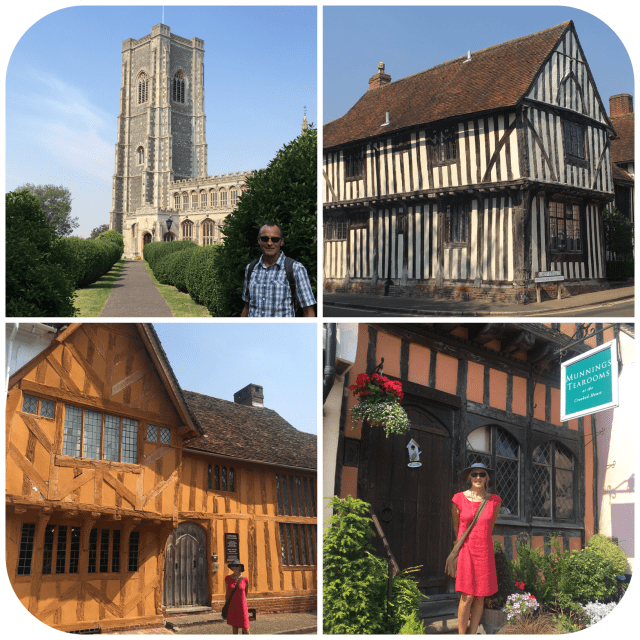
Our second Enterprise Car Hire experience landed us in a Nissan Qashqai from Chelmsford branch. We had booked a small car but this relative monster was the only model available on the day. So in our upgraded SUV (kind of) we set forth towards relatives in Anglia to fulfill one of Graham’s dreams. En route we stopped at Lavenham village in Suffolk, home to a gorgeous 15th Century church, half-timbered medieval cottages and circular walks. In medieval time Lavenham was one of England’s wealthiest settlements and Sue has fond memories of visiting with her grandad as a child. 

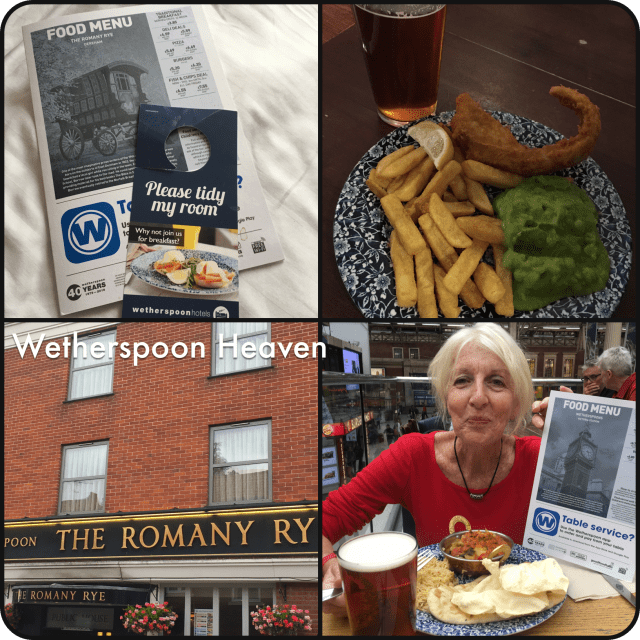
From Lavenham we ventured into the Breckland District of Norfolk and the town of Dereham west of Norwich. Our plan was to visit Graham’s ageing Aunt Mary in Cromer on the North Coast and we needed somewhere to stay for two nights before heading South West to Cambridgeshire. Dereham was the perfect location, first because it’s an interesting town and secondly because it has a Wetherspoon Hotel. Spacious, clean, comfortable rooms, recently refurbished, for £64 per night with the added benefit of Wetherspoon’s famous breakfasts and other pub grub over the bar. We are definitely buying shares in the Wetherspoon franchise!


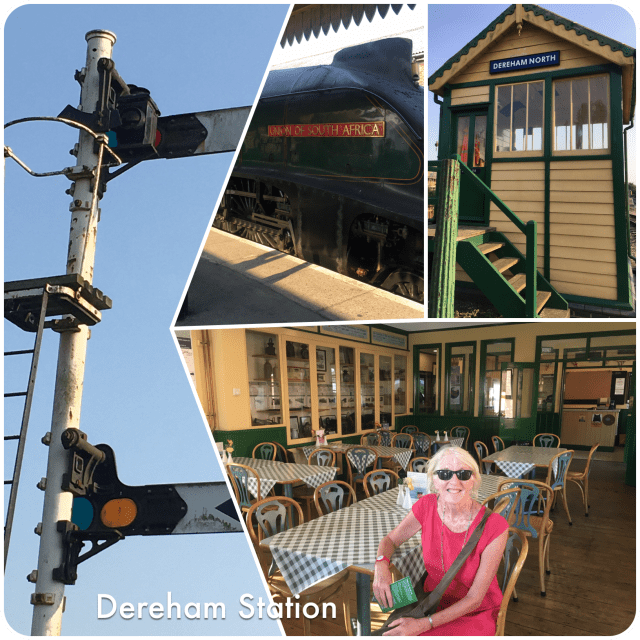
Dereham town centre has some old stone buildings of note and a few typical half-timbered houses and also a preserved steam railway that runs between the town and nearby Wymondham (pronounced “Windum”, of course). We visited the cute little railway station, seemingly untouched since the 1950s, and watched a restored steam locomotive return to the station on a practise run.

Visiting Mary in her static park home on the outskirts of Cromer reinforced how old we are all becoming. Impaired mobility and memory is beginning to affect so many of our older relatives now. But it’s always a delight to visit and catch up nonetheless.

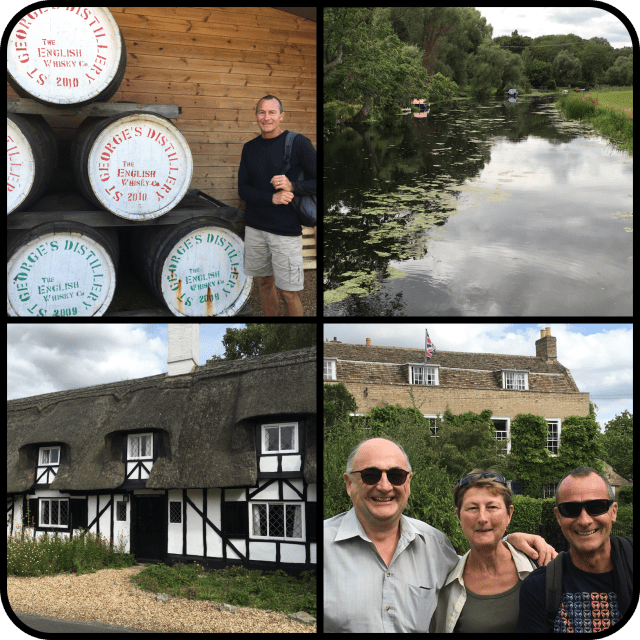
After a second night in the Romany Rye Wetherspoon Hotel, and a wonderful night’s sleep accompanied by sweet dreams of more happy nights to come in a variety of other Wetherspoon Hotels across the country, we left for Haddenham in Cambridgeshire and Graham’s cousin Val and husband David. They live in a beautiful home in a rural setting among fields and quaint villages. We drove to St Ives nearby and had a lovely walk through the stunning old mill village of Hemingford Grey (gorgeous, grand thatched houses – another Lotto dream location) and along the Ouse canal. That evening we were joined by Val’s brother and Graham’s other cousin Philip for dinner and a night of chatting and catching up on family news. Good times.

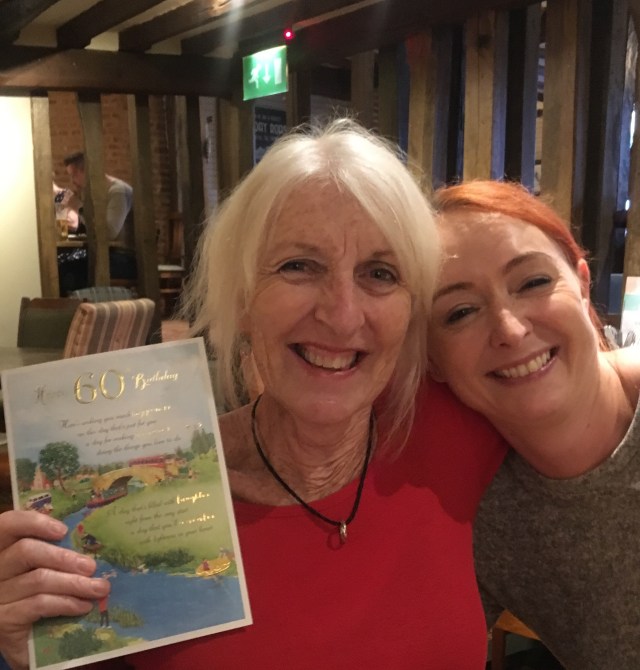
Back in Chelmsford for our final weekend in England, we dropped off the Qashqai, with the only issue being an over zealous fuel return policy, despite Graham’s reassurance to Sue that five-eighths of a tank is close enough to three quarters, which evidently it isn’t. Later Graham accompanied Mark to watch Essex beat Kent in the local T20 cricket competition (an exciting game in front of a vocal, passionate crowd) while Sue and Nicky had a girls’ night in. On Saturday night we dined at the local pub where Nicky and Mark surprised Sue with an early 60th birthday celebration, including cake, a present and Prosecco – quite a lot of Prosecco. Let the festivities begin!
Our last Sunday together involved another family gathering, this time with Mark’s parents, his sister and her family, in Braintree. Once more we were treated to good old fashioned English hospitality – food, drink and lively conversations. Our extended family in the UK has just been extended further. 

Malta…..August 2019

Airport hotels are a mixed bag. Some are stylish, comfortable, reasonably priced and inside the airport terminal. Some are luxury chain hotels charging exorbitant rates, knowing they have a captive customer base of top end travellers. Some deceitfully purport to be airport hotels simply by their location within a 15km radius of an airport. Some use the term ‘hotel’ optimistically.

It was to this last category that we repaired at Rome’s Fiumicino Airport en route from Italy to Malta. An early morning flight necessitated staying overnight close to the airport to avoid a ridiculous taxi fare from Rome central. So when we arrived at Fiumicino Airport to discover that Airport One Hotel was, in fact, 8km away by road on the opposite side of the runway, we were faced with two options: one, pay €40 for a taxi or two, wait for a local bus that may or may not show up to take us into Fiumicino and, possibly, close to the hotel. We chose the latter, purchasing our tickets at the kiosk inside the terminal for €1.10 each instead of €7 each from the driver, and then waiting with a group of other expectant travellers at the airport bus stop.
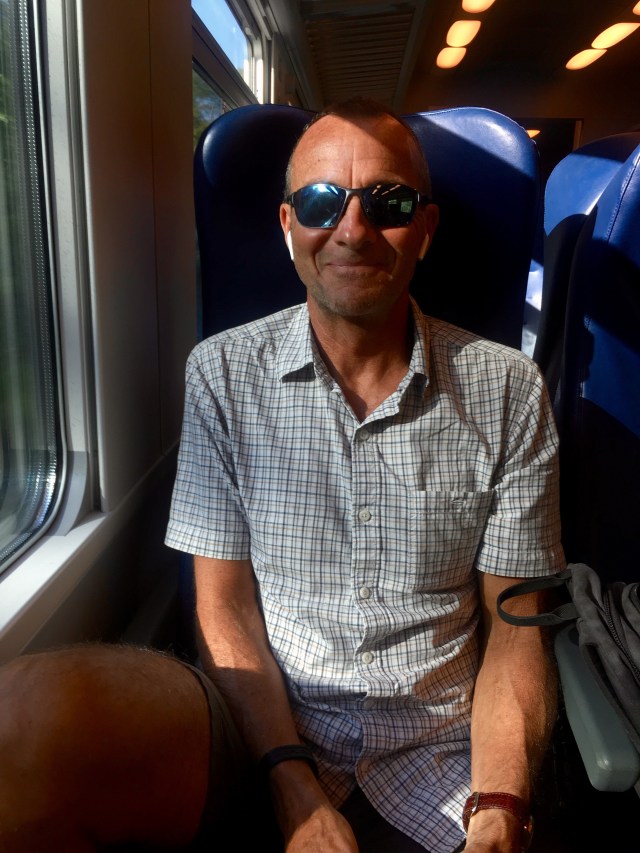
Fortunately, a bus did arrive and we made the journey through early evening seaside holiday traffic (Fiumicino is one of Rome’s beachfront areas) to what Google maps suggested was our hotel. We alighted on a dark road running alongside one of the airport runways at a petrol station with a broken sign for Airport One Hotel behind it. This turned out to be a rundown but nonetheless functioning, relatively clean motel, with a row of rooms tucked behind a fence screening off the petrol bowsers and with jets taking off from the neighbouring airport thundering overhead every five minutes or so.

With earplugs and eye masks we managed some sleep, then waited roadside in the pre-dawn gloom at 5.00am for our promised shuttle ride (€6 each – substantially cheaper than a €40 taxi ride) to the terminal, 8km away across the runway. With our departure time looming and no sign of our shuttle bus, anxiety levels were increasing but a phone call to a number pasted on the locked door of the motel’s tiny reception allayed further fears and a speedy, nerve wracking ride delivered us finally back at the terminal on time for our flight to Malta.
The cost of the motel was €60, very cheap compared with other hotels in and around Rome and our bus and shuttle fares amounted to €14.20. So for a total of €74.20 we had an overnight stop in Rome ahead of an early flight out. We had saved ourselves, potentially, around €65 in taxi fares and up to €150 in airport hotel accommodation. We were tired from lack of sleep and somewhat stressed from high levels of anxiety but it was worth it financially and for the addition it made to our mounting store of traveller tales.
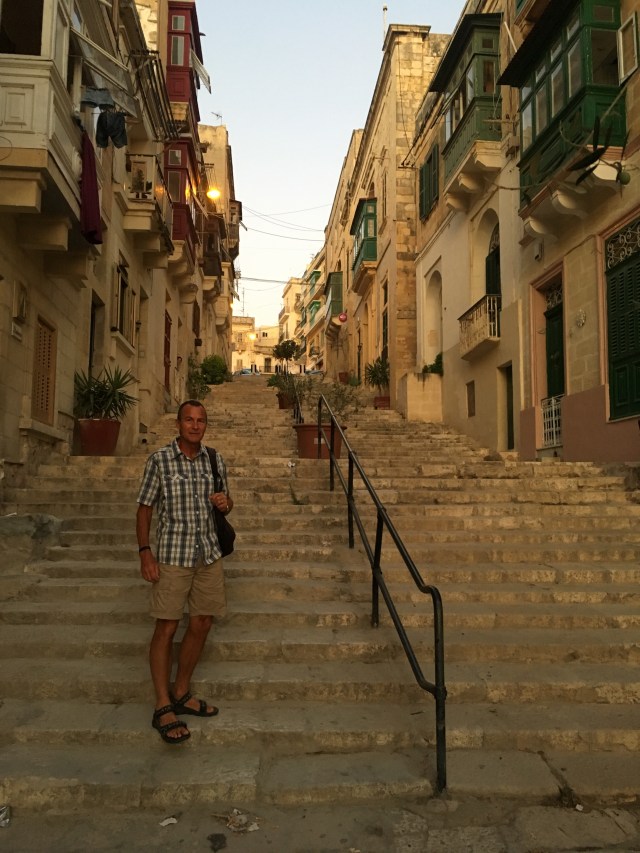
Arriving in Malta with very little research under our belts, expectations were limited to crosses, a falcon and small white fluffy dogs. We also knew that there would be lots of water, Malta being an island in the Southern Mediterranean. What we weren’t prepared for was unseasonably hot and humid weather conditions that left us damp and exhausted for much of the first three days. These distractions aside, we quickly settled into our lovely modern AirBnB apartment in an old building in the Bormla, one of the “Three Cities” constituting the old Harbourside area of the capital, Valletta. From here and over the ensuing days we discovered the charms of this fascinating island country with its various cultural influences and intriguing history.
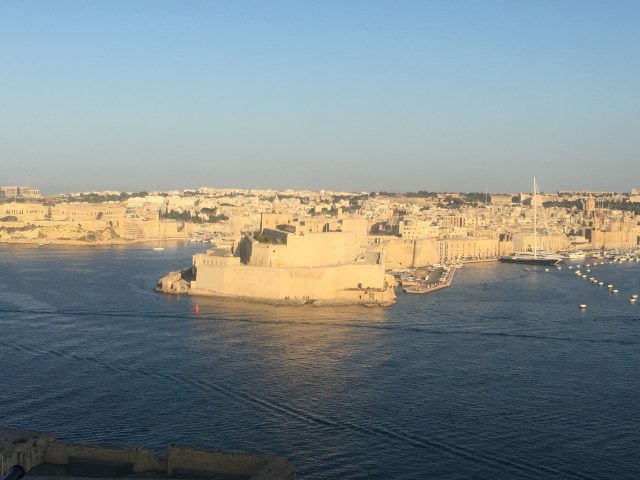
Added to this an amazing harbour city that crawls over the hills of the small promontories lining the bay and bristles with beautiful stone buildings and fortifications, a collection of ancient and medieval sites, overblown crowded beachside resort areas with all the trappings of a popular Mediterranean holiday destination and Malta seams to have everything for every enthusiastic holidaymaker who visits here. And there are three million annually. The EU has invested €1.1 billion to ensure they keep coming!
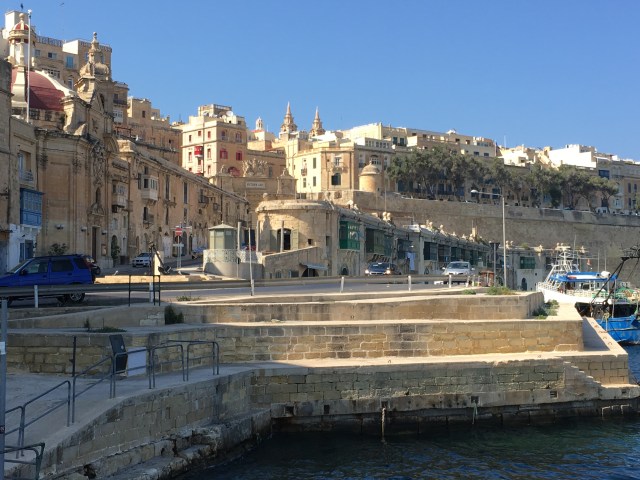
Much of these funds have been and continue to be used to repair and restore old buildings that were destroyed or damaged by German bombs during WWII. The results are obvious and quite remarkable. Fortified walls, batteries and bastion lookouts line the harbour, ornate catholic churches sit atop the steeply rising streets climbing off the waterfront, balconied houses and civic buildings gaze at each other across the water and along flights of steps linking the winding streetscape, all stone built. The streets and squares are laid in stone that’s worn smooth through centuries of use. We were glad of the dry weather (Malta hadn’t seen rain for three months prior to our visit) as they are slippery and would be treacherous when wet.
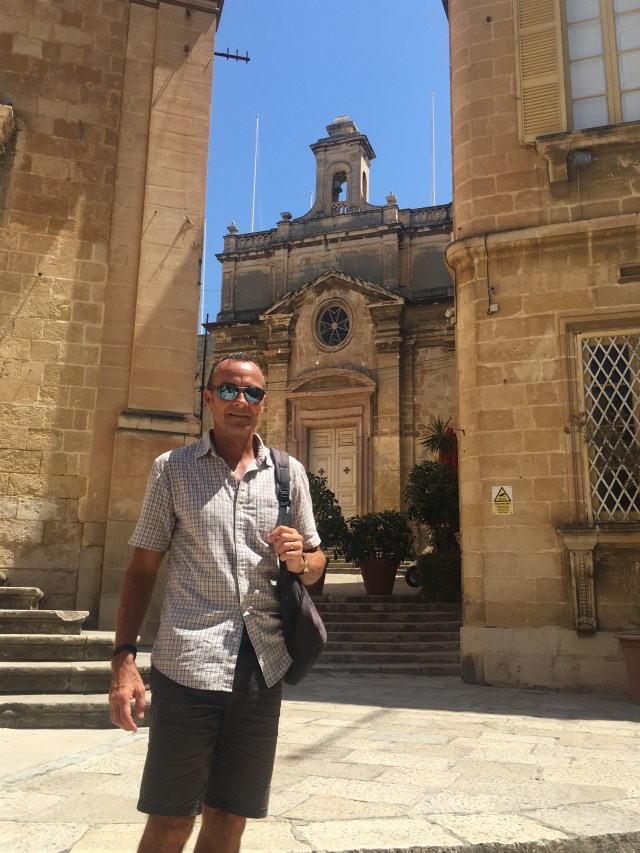
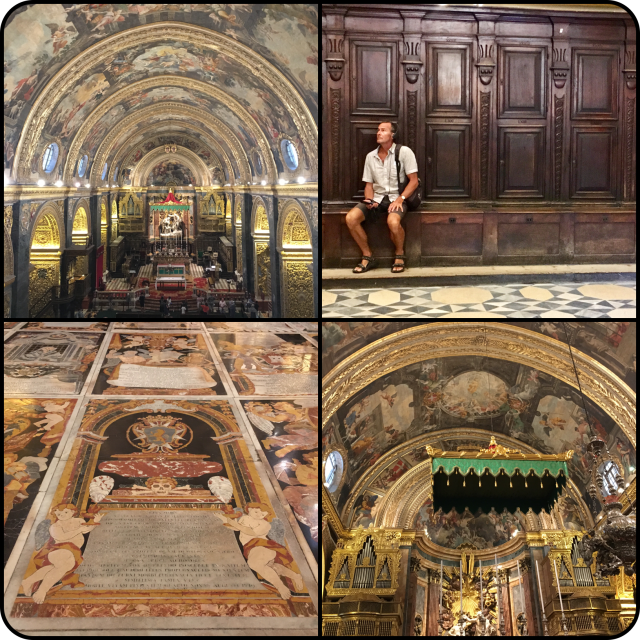
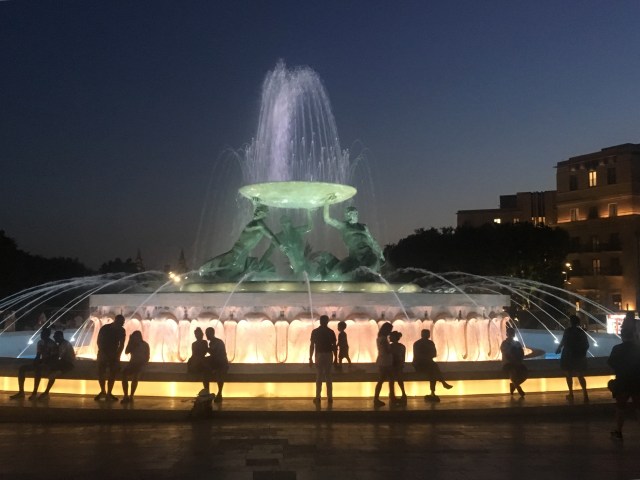
Having suffered the vagaries of Italy’s casual transport system, it was a delight to navigate Malta’s clean, modern buses that provide an extensive service across the entire island and neighbouring Gozo. For €21 each we had unlimited access for seven days, and made the most of it. The old walled capital of Valletta is a great example of a restored medieval town with a spectacular cathedral (St John’s Co-Cathedral), palace and associated museums and armouries. We loved it. The Co-Cathedral is of particular note being one of the world’s greatest Baroque churches. It also contains two Caravaggio masterpieces and Caravaggio himself had a connection with Malta – he was a troublesome warrior monk who lived and was briefly imprisoned in Valletta.
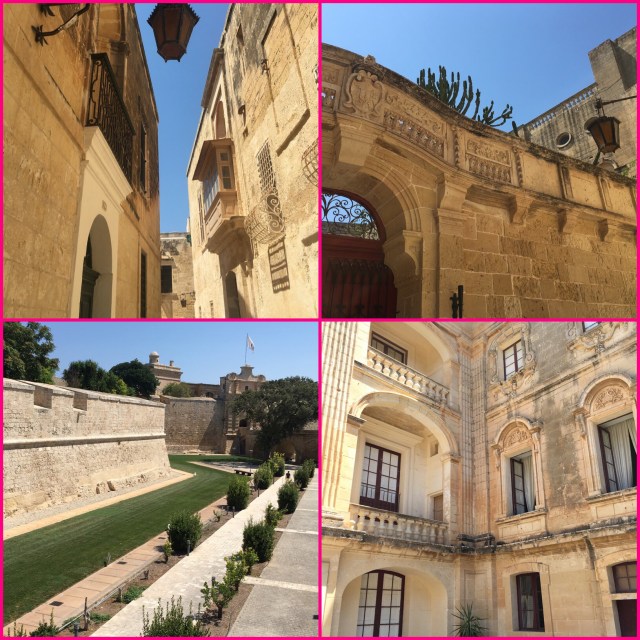
In the central old town of M’dina, we were reminded of our travels last year in Obidos, Portugal. Both are stunning, small, restored Medieval cities where a few hundred people still live and the quiet, narrow, rambling streets echo with the ghosts of a bygone era. Thematic, eery and truly magical.
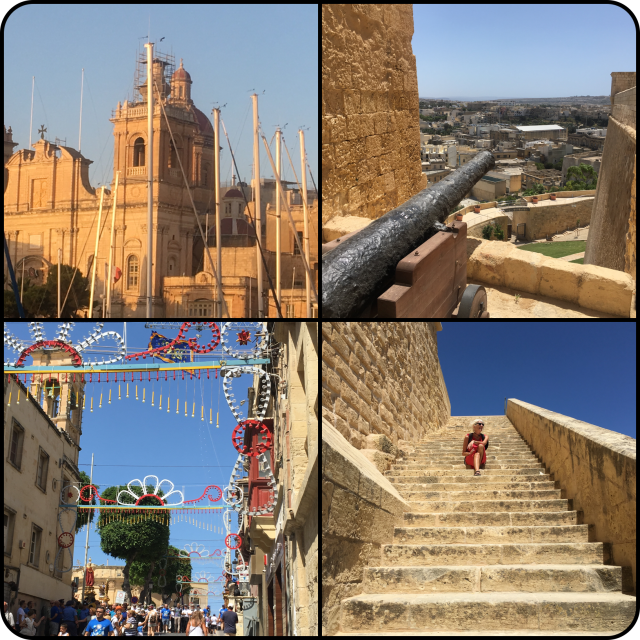
On Gozo, a very long day trip on a hot Maltese Wednesday, we visited the old Citadel, another walled city set on Roman ruins with a range of small informative museums. A living piece of history like so many ancient towns and cities throughout Europe. Right up our alley.
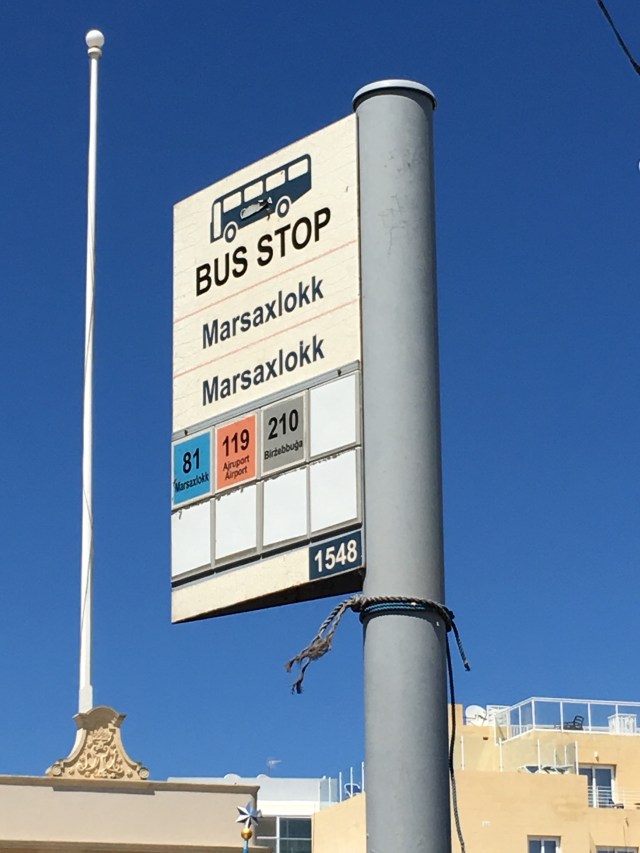
Another day trip saw us in Marsaxlokk, a little fishing village on the South Eastern coast of the island. Traditional fishing boats called luzzus bob about in the harbour while larger ships ply the waterways in and out of the neighbouring industrial port. The harbour front is crammed with stalls in a covered market selling all manner of tourist tat and alfresco restaurants with billboard specials offering fresh seafood platters compete for the tourist dollar.
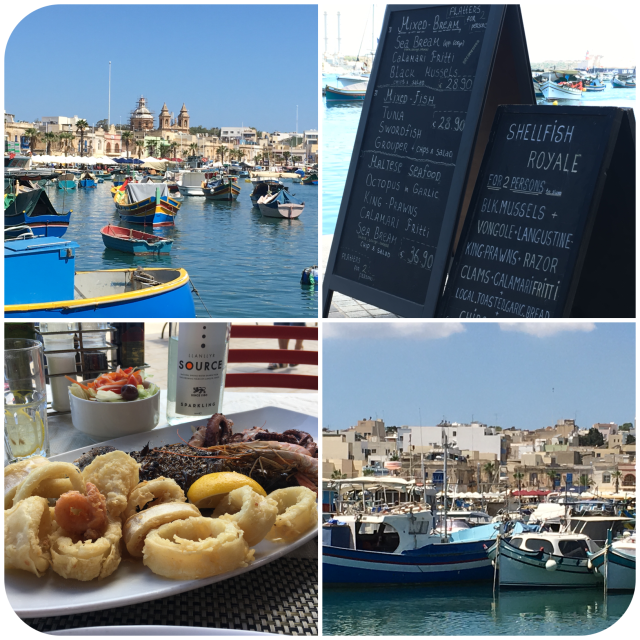
A number of small water taxis transport people to the popular swimming beaches at St Peter and Pretty Bay nearby. Eschewing the virtues of the tourist beaches we opted for a patch of sand at the northern edge of the harbour where the locals go. Here we enjoyed some down time in the sun, watching the antics of families gathered under makeshift shelters with their picnics and blow up water toys for the children. After working up an appetite we indulged in an excellent seafood platter at one the waterfront restaurants.
What did we learn about Malta during our stay? We’re glad you asked….

We didn’t see many birds and the only falcon we saw was a stuffed peregrine falcon in the Natural History Museum on Gozo.

There were lots of dogs and evidence of dogs at regular intervals on the footpaths around Velletta but not one single example of a Maltese crossed our path.

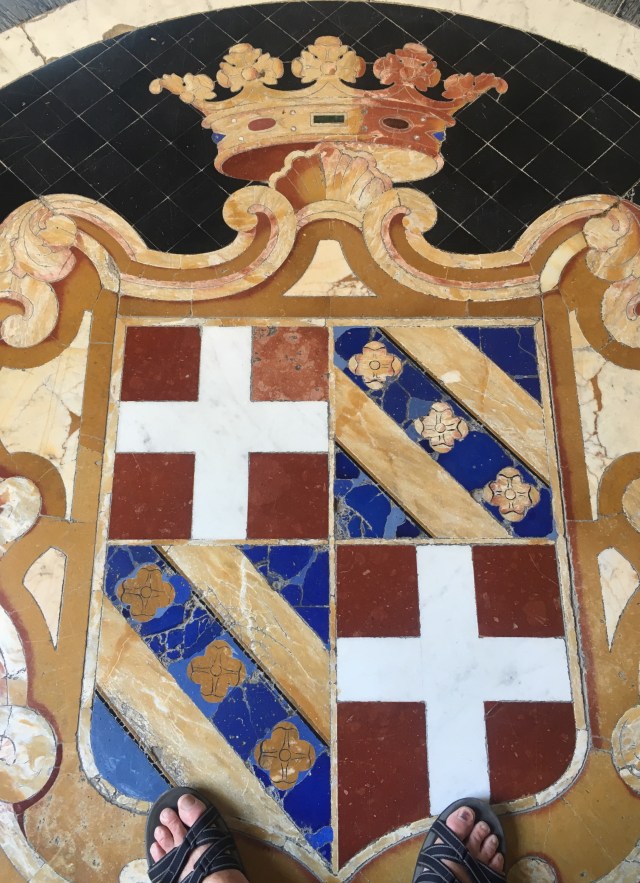
The cross, however, is quite another matter. The familiar eight pointed cross of St John is the symbol of the Order of the Knights of St John, who ruled Malta as a vassal state of the Kingdom of Sicily from 1530 to 1798. Its image adorns windows, flags, statuary, manhole covers, tea towels (you get the picture) everywhere.

We also discovered that due to Malta being close to North Africa and subject to northerly winds, everything gets coated in a fine layer of Saharan sand. Dry, windy, hot and dusty – just like summer in Perth.
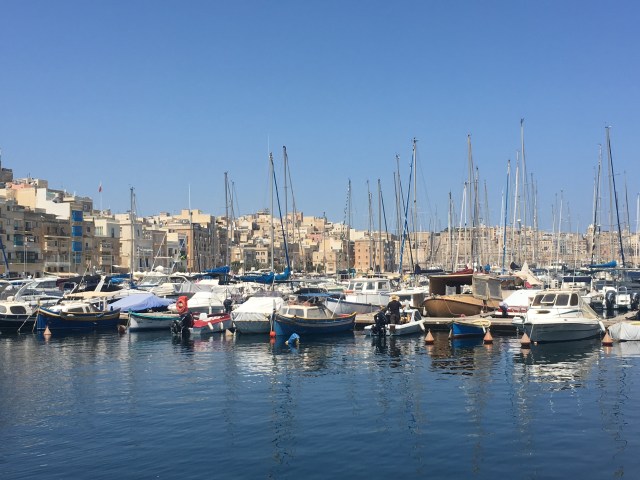
Then of course there’s the boats. Two years ago when we travelled down the Dalmatian Coast we saw what we thought was half the world’s population of water crafts in the numerous marinas and harbours there. But when we got to Malta, we realised we’d hit the motherlode. With harbours, bays and marinas all around the island, there are literally hundreds, probably thousands of boats of all types and sizes, from multi-million dollar super yachts to tiny painted wooden fishing boats; cruise ships, oil tankers and container ships in the main harbour and port; passenger ferries and traditional gondola style pleasure boats. If you’re partial to a bit of messing about in boats, Malta is definitely your Nirvana.
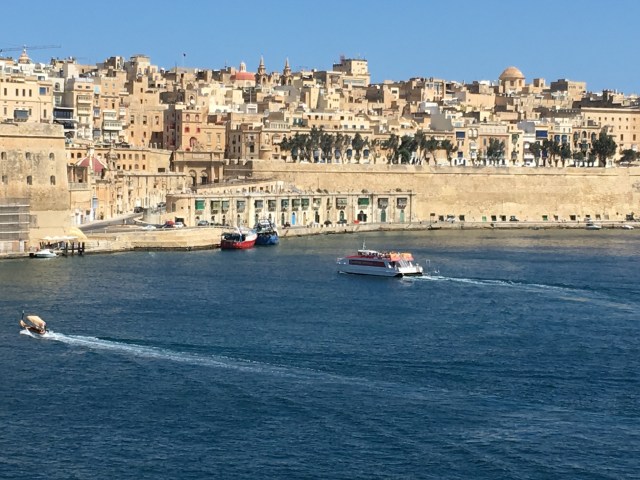
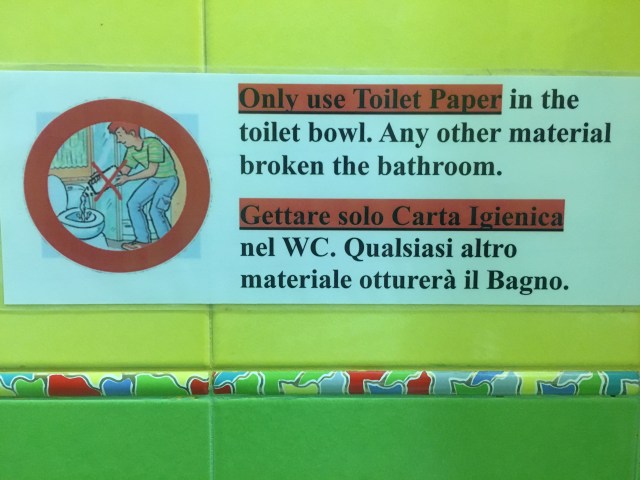
Malta is a nation of contrasts. Inhabited from pre-historic days and then ruled by a succession of Eastern and Western powers right up to 1974 when it gained its independence from Britain, the varying cultural influences are evident in its architecture, cuisine and language. The two official languages are English (no problem with that one) and Maltese (an indistinguishable barrage of semi-glottal “shushing” sounds, all uttered at high volume). Maltese is a Semitic language, one of the Arabic route languages. We eventually gave up on trying to pronounce place names, many containing unfamiliar series of the letter x and double k. We made up our own silly Anglicised approximations instead, but only between ourselves so as not to offend the locals. These are the everyday amusements that litter the flotsam and jetsam of our journeys.
Leaving Malta was always going to be a long day. Longer than we had imagined, as it turned out. Here’s our second transit traveller story to bookend this blog post:

We rose at 5.00am in order to catch two buses to the airport for our morning flight to Rome Fiumicino. Arriving in Rome around 11.00am we had time to kill before our evening flight from Rome’s Ciampino Airport to East Midlands, UK. So we bought a two way ticket on an airport transfer bus and went into Rome Termini. Here we whiled away a few hours over lunch in the Central Market, then sat in a very dodgy park nearby where local characters were drinking beer and washing their shoes, leaving them out in the sun to dry. Strange, we thought, but then without doing our research, we were eventually going to encounter “Laundry Park for the Homeless and Unemployed”.

g
Finally making our way out to Campino Airport we were by now tired and looking forward to hopping on the 10.00pm bus at the other end to get us home to the girls in Stapleford. So when the flight was delayed by 45 minutes we knew we weren’t going to make it and the 11.00pm bus it would have to be.

When we arrived at East Midlands Airport at 10.30pm it was 16C – rather chilly after Malta and Rome. So we waited in our inadequate summer holiday clothing until the 11.00pm bus arrived at 11.20pm. Fortunately for us, the only passengers silly enough to wait around for so long, the very apologetic driver allowed us to ride for free as he was late, explaining as he let us on that there was a mechanical problem but he had been advised by the depot to carry on regardless. We carried on regardless for a few miles before the bus broke down at Castle Donington, essentially a small residential estate in the middle of nowhere. During the ensuing hour we got to know the driver quite well, chatting amiably as we did whilst waiting for the mechanics to arrive and the taxi, coming from Nottingham, to assist us with completing our journey. With no heating the draughty bus offered no protection from the cold. We huddled together in our shorts and tea shirts, not understanding how a taxi could get lost (it did) or why there should suddenly be a power cut in the area (there was), plunging us into complete darkness save for the lights inside the bus.

Ironically, while this was happening, Amy and Claire, who were waiting for us in Stapleford, also experienced an electrical issue in their house and had a troop of electricians from the service provider in their home trying to locate the fault that had rendered them powerless. This they managed in part, so when the taxi (the driver located us eventually) delivered us to our “home away from home”, it was 1.20am, we were frozen and shivering and the house had no power in the kitchen. Needless to say we crawled thankfully into bed and both fell into an exhausted sleep as our fingers and toes began to slowly thaw out.

Ah yes, the trials and tribulations of travel, but at least we had a bed for the night, unlike the raggedy men in Laundry Park, Rome – may their shoes be fresh and dry.
Umbria……..August 2019

Perhaps we had become a little too comfortable in England – the amazing summer weather, the fabulous fresh produce at reasonable prices in Tesco, the Wetherspoon specials with cheap beer and the friendly people. With Brexit looming menacingly on the horizon and a new prime minister to rival the maverick, divisive president of the New World, it couldn’t possibly last and we knew it. So we left for a new adventure in the familiar comfort of Spello in Umbria, Italy.

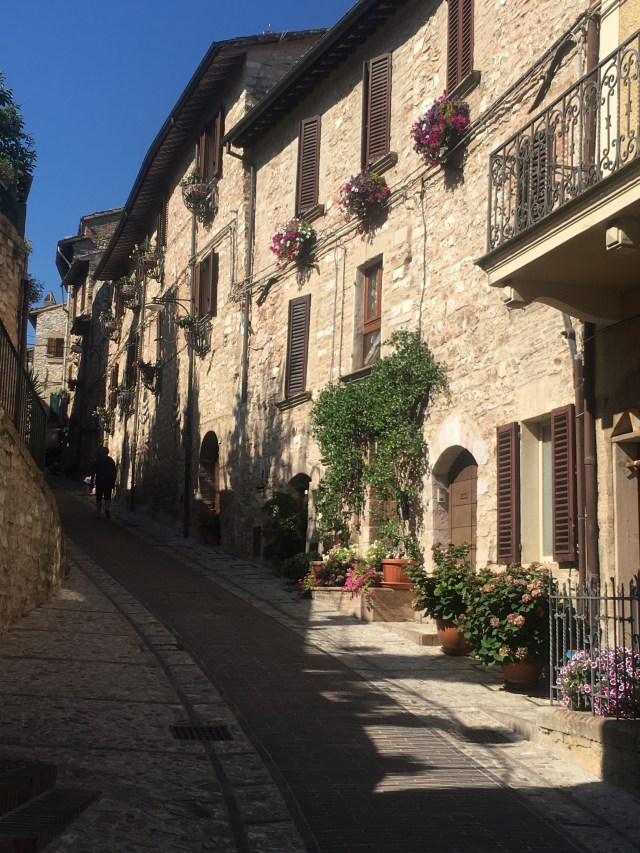
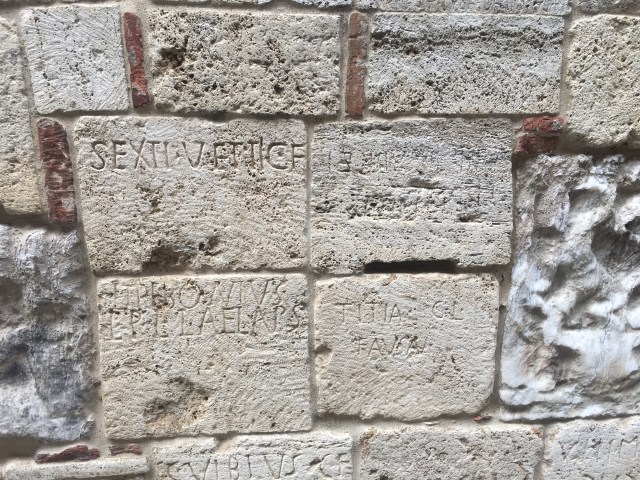
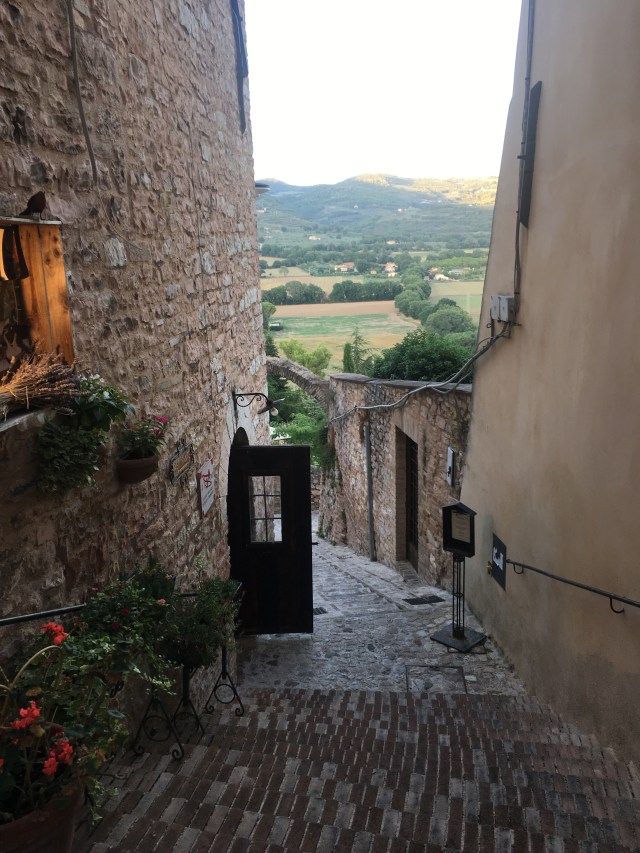
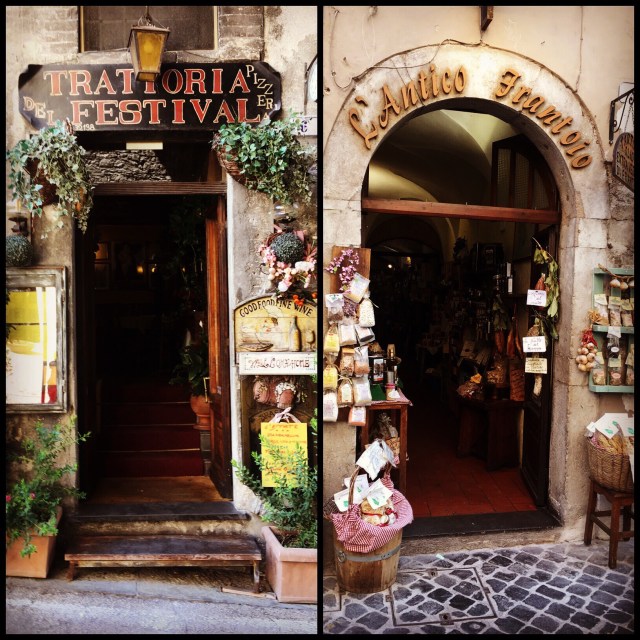
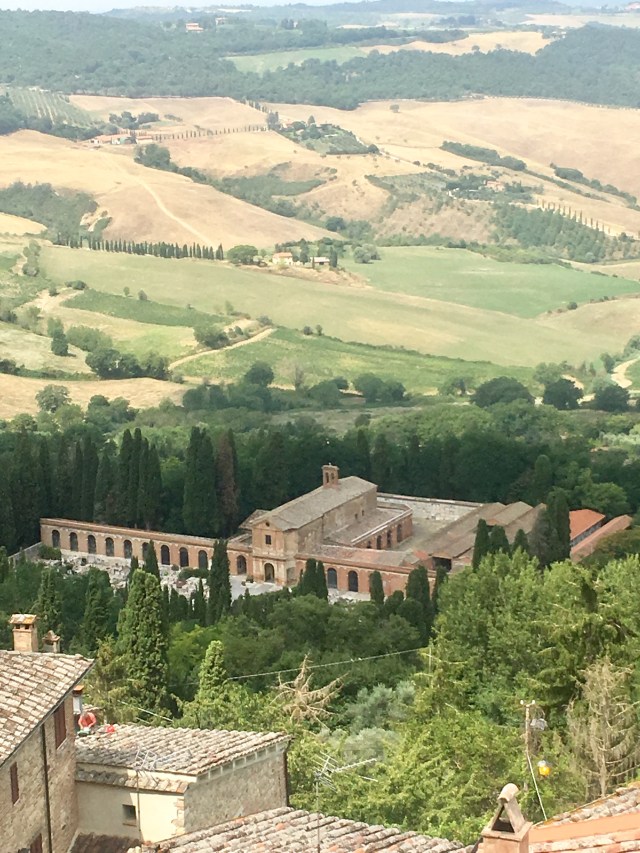
Our London based friend Stephen, the globetrotting transport expert and cricket tragic, has opened up his holiday home to us in the medieval hilltop village of Spello, overlooking the Vale of Assisi. It has all the rustic charm of a 16th Century stone village built on Roman foundations with meandering cobbled streets, frescoes churches, grand piazzas and, of course, cafes, restaurants, tavernas and gourmet shops selling local artisanal fare. We love it and are always eager to return, so when Stephen suggested we join him and his wife Sima in August, we didn’t hesitate.

Unspoilt by tourism but with plenty to satisfy the art historian, wine connoisseur, gourmet foodie and nature lover, Spello is perfect. We climbed the steep, narrow streets to Stephen’s bird nest on the old city walls, sat in the sun on the terrace drinking in the scenery and the very good local beer and wine, cooked honest simple pasta and fish dinners and just relaxed. Wonderful.

The railway line from Rome to Florence runs through the flat lowlands of Spello and we took a train early one morning to Spoleto, a larger town 47km away. We are quite familiar by now with the beautiful pink and cream yellow stone buildings and astonishing Renaissance architecture of the hilltop villages and towns in the Vale of Assisi. The town of Spoleto is another gem and now one more of the growing Lotto dream places where we could very easily divide our time between home in Perth and a stunning little villa with a terrace garden overlooking the town’s rooftops and church bell towers to the olive groves and rolling hills beyond. We’re already living the dream, but the Lotto dream is the icing on the cake.

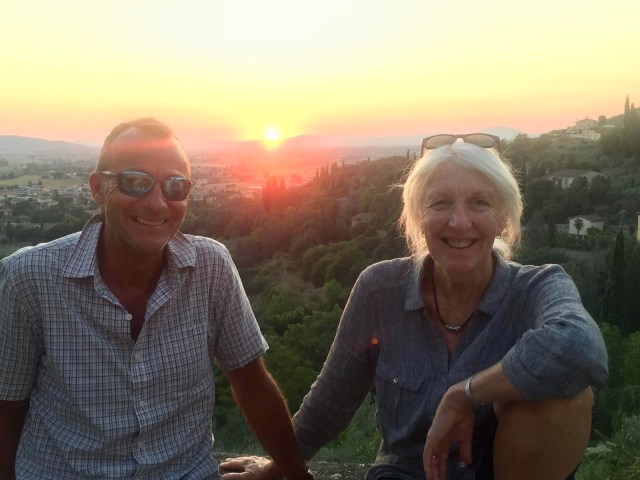
After a couple of days Stephen’s wife Sima joined us from their London home. We have become good fiends over the years and we enjoy enjoy each others’ company. More wine, G&T, beer and wholesome Italian comfort food on the terrace followed with several other ex-pats who have fallen for Spello’s charms and bought holiday homes here. Lively conversations watching the sun set over the Vale without a care in the world.

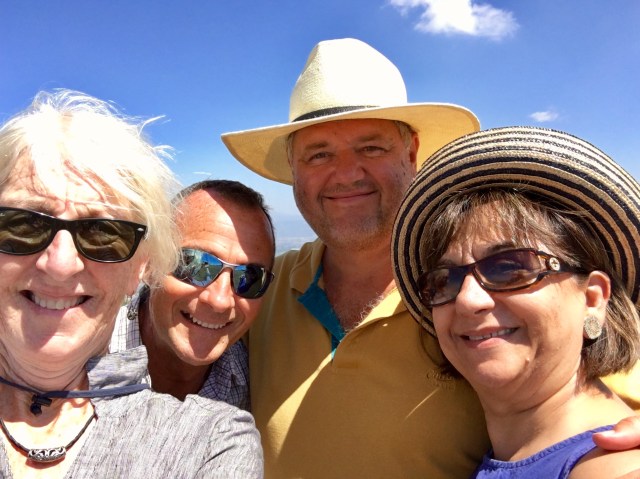
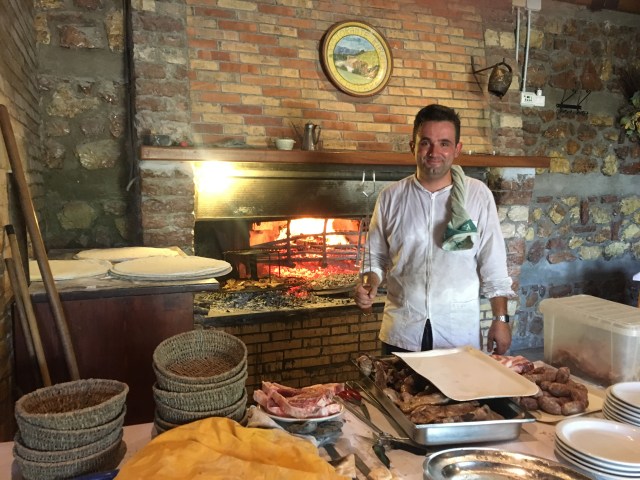
In the few days we had together, we visited the neighbouring villages of Todi (with a welcome funicular railway to transport weary tourists and locals alike to the old town centre above), and Bevagna, both beautiful and unspoilt. We feasted at two very typical osterias serving fresh local produce roasted and grilled over huge open fires. The last of these on our final day was the Refugio san Gaspare, perched atop the tallest peak of the Vale at just over 1,000m on the site of an ancient pilgrim trail dating from 1099AD.

We sat with Italian families, conscious of being the only non-locals at this very traditional Italian eatery. This gave Stephen, Sima and Sue the opportunity to practise their ever improving language skills while Graham smiled and nodded agreeably, munching away contentedly thorough several kilos of vegetarian antipasto, chargrilled bread with oil and aged balsamic, and freshly made linguine alla tartufo. Some people think that Italy just about crumbling old ruins and gastronomy. Take it from a couple of crumbling old ruins – it is!

The Cotswolds…….July 2019

Some time back a colleague of Sue’s introduced her to Luxury Escapes, a website offering super deals at top-end hotels in a variety of locations worldwide. In a serendipitous moment as we planned this trip, a deal popped up near Wotton-under-Edge on the southern end of the Cotswolds. We had already decided to visit this popular tourist area on our way back to Nottingham, so when the bargain priced offer at Tortworth Court Hotel presented itself at just the right time we couldn’t resist.

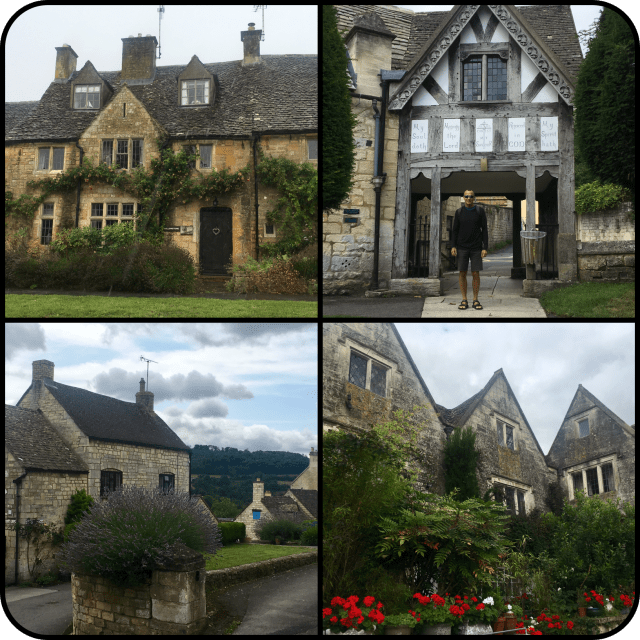
The Cotswolds encompasses almost 800 square miles of five counties in Central and West England. It is characterised by the beautiful rural landscape punctuated by golden Cotswold stone-built villages (with irresistible names such as Piddlehinton and Stow-on-The-Wold), historic towns and and stately homes and gardens. It was this scenery we were keen to discover and Tortworth Court Hotel was a good start.

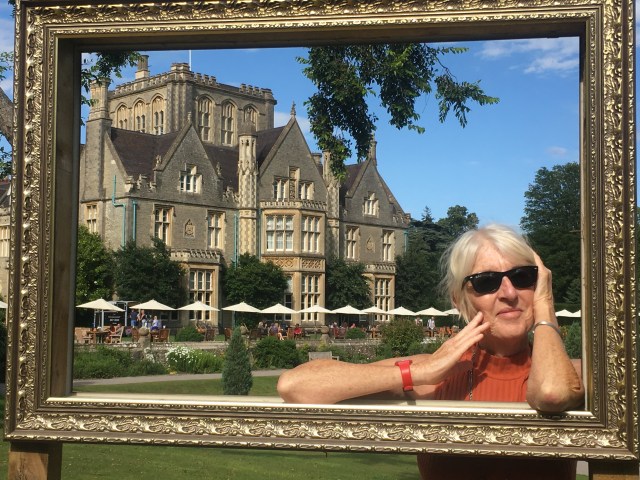
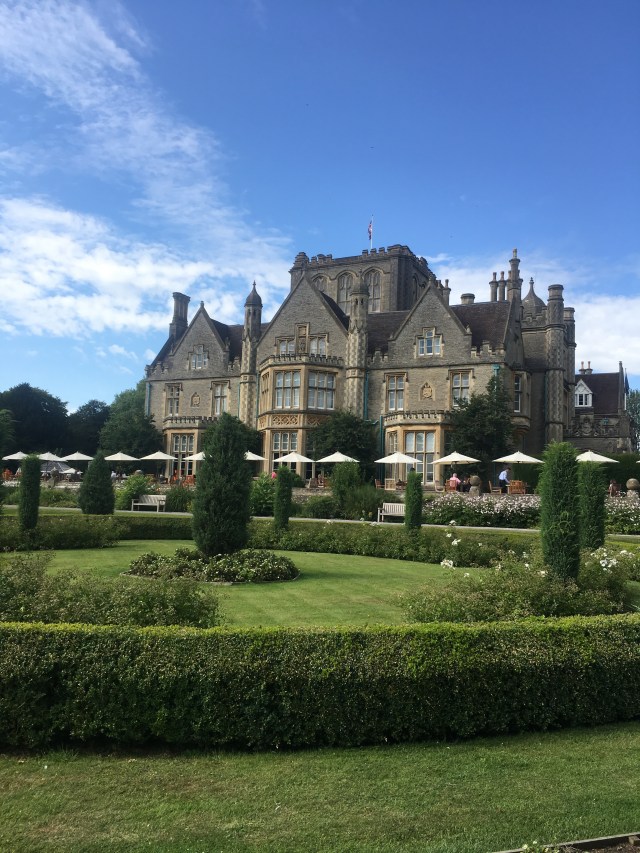
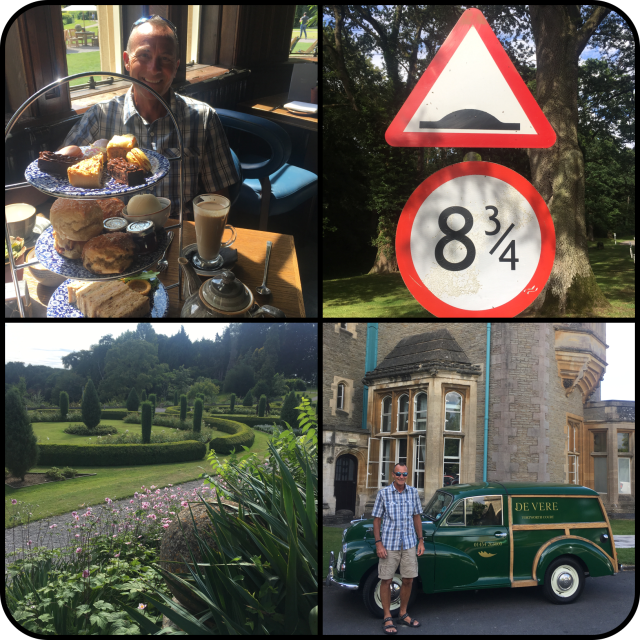
The hotel occupies a Victorian Gothic country mansion set in 80 acres of gardens and woodlands. The original building dates back to the 11th Century and is currently a class 2 listed Heritage Building. Basically that means we were staying in a huge old house, dripping with history and refurbished to four-star hotel standards. And by huge…when we checked-in, we were given a map to find our room! Fifteen minutes later we were still wandering the corridors, wondering how we were ever going to find our way back to the dining room for our decadent high-tea that afternoon. Three days later and Graham (known ironically as Captain Compass) was still taking wrong turns and stumbling baffled along endless corridors. “We don’t need a map, we need a GPS!” he bemoaned helplessly. Note, Graham’s complete lack of directional ability is a constant source of amusement and entertainment to Sue, who has spent much of the past 25 years leading him, bewildered but excited, around the world.

Geographical challenges aside, we had a wonderful stay in Tortworth Court, our first Luxury Escapes experience. A massive room to match the scale of the old mansion, fine dining every day, indoor pool and a gym – what’s not to like?

Back to the beauty and splendour of The Cotswolds, our first full day of the Lonely Planet self guided driving tour happened to coincide with a day of rainstorms and flash flooding that hit central England causing massive damage to farms and towns across Cheshire, Lancashire and Yorkshire. Fortunately we were spared the worst of it, being further south, but our viewing pleasure was nonetheless restricted to peering through the rain, taking quick snapshots between windscreen wiper blades and an occasional dash along a Main Street dodging the rain by diving into the nearest tea shop.

Highlights were the gorgeous villages of Painswick, Chipping-Campden, The Slaughters, both Upper and Lower (“slaughter” being Old English for muddy field) and the towns of Broadway and Stow. Driving conditions, challenging as they were, dictated our decision to avoid the larger towns of Cirencester and Cheltenham, but we had seen enough through the misty downpours to get a feel for this charming area of England’s green and pleasant land.

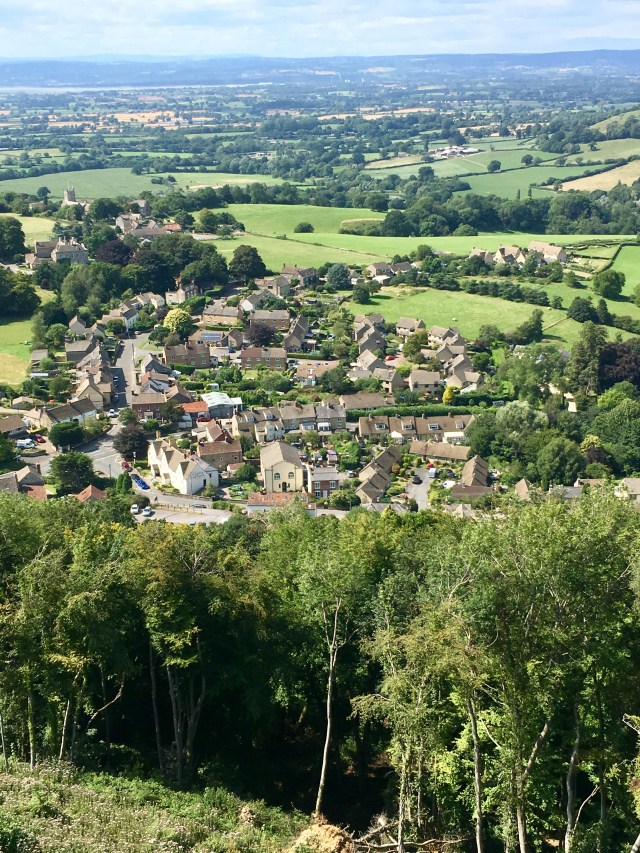
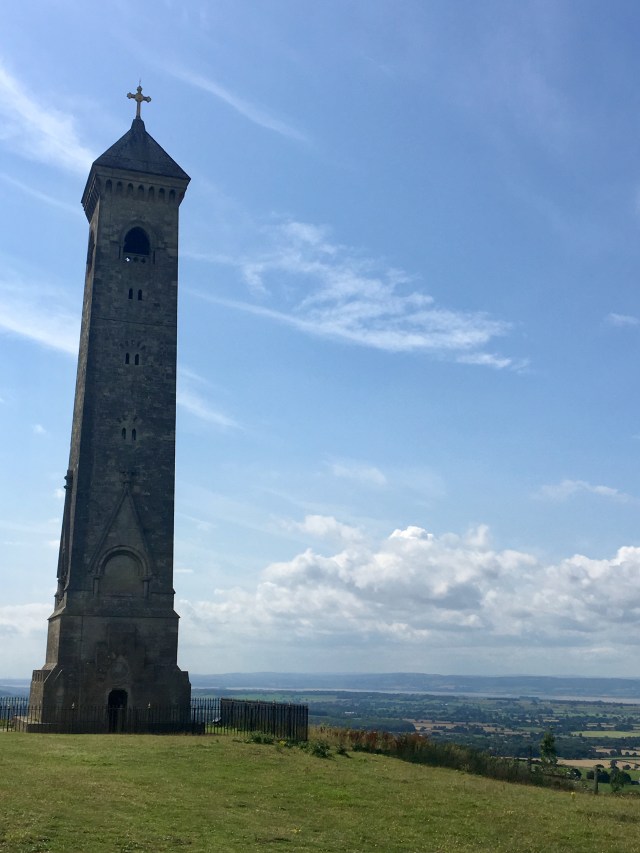
With improved weather conditions on our final day in the Cotswolds, we took a drive through the local area, stopping at Uley then walking from just outside Wotton-Under-Edge on a wooded farmland trail to the Tyndale monument. From the top of this 19th Century tower on a hill in North Nibley, we had commanding 360 degree views of the surrounding countryside. The day was clear enough for us to see the two bridges crossing the River Severn to Wales. The 111 ft tower with its spiral stone staircase of 121 steps was erected in grateful remembrance of a local man, William Tyndale, translator of the bible. He was responsible for the first printing of the New Testament in English and, like many who wore their faiths proudly in times of brutal religious persecution, was martyred in 1536. William Tyndale’s great legacy to the world is bringing the New Testament to all English speakers and a tall stone tower on a hill in the middle of the Gloucestershire countryside.

We left the glorious scenery of the Cotswolds and hammered up the motorways to Nottingham to spend another few days with our girls in Stapleford. Out trusty little Hyundai i10 had served us very well for five and a half weeks and we were grateful for its efficiency and reliability during that time. Few people hire vehicles for extended periods, it seems, and our contract with Enterprise had been for an initial period of 28 days, with the option to renew. We had to do this in Dorchester, which caused some confusion over rates, the deposit paid and a renewal rather than a new contract for a further period. On returning the car to Ilkeston, where we had originally collected it, there was further confusion regarding the deposit. Suffice to say we managed to clear up any conflicting opinions to our satisfaction but a cautionary note to anyone hiring a car in England (or elsewhere): Ensure you get a written quote for any booking with costs included, keep the quote and produce it when an alternative higher rate is suggested. We received good service from Enterprise and always have, but a very helpful emailed quote from an employee who no longer works for the company saved us a significant amount of money.

Summer Holidays at The Seaside ……July 2019

The English weather is a much opined topic of careful consideration that, like politics, liberally sprinkles many conversations here in the UK. Not without good reason. The variable weather conditions dominate almost every aspect of English life, dictating people’s choice of activities and general mood. Summer can be a lottery, so we have truly been very fortunate to experience beautiful weather over the past five weeks of our England adventure.

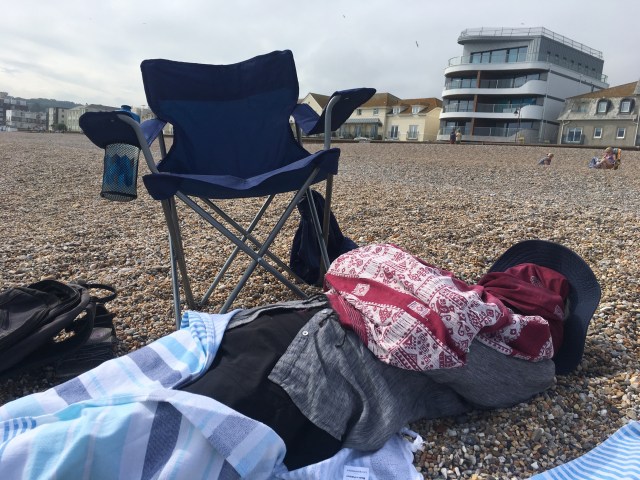
That said, we have seen some variation in the past week. On the beach in Seaton one afternoon, the sky became completely hidden behind cloud and the breeze increased markedly. While Graham still managed to extract whatever warmth was left in the day, enjoying a final half hour on the pebbles, Sue wrapped herself entirely from head to foot in towel and sarong, lying prostrate without an inch of flesh visible. She looked for all the world like an entombed body awaiting burial, which raised a few quizzical eyebrows from passersby who clearly cast Graham as an unsympathetic companion unwilling to forgo his beach time until the undertaker arrived.


That night, the South of England experienced tens of thousands of electrical storms and widespread rain. We slept through the night, blissfully unaware of the spectacular sky show unfolding above us, awakening to a damp world glistening in early sunshine. The clouds passed that day to deliver record temperatures in Central England (approaching 39C in London) that crippled the transport network, leaving thousands of air passengers and commuters stranded and suffering in the extreme heat. Meanwhile on the coast, we enjoyed very pleasant conditions in the mid to high 20s, temperatures that nevertheless challenged the locals’ winter-hardened dispositions.


Is this all the result of climate change or simply the nature of England’s complex geography and proximity to Arctic and Mediterranean climactic conditions? Will the rail lines recover from and survive prolonged exposure to the annual extremes of cold and heat? What will the Government’s response be to the suffering of its citizens during these extremes, particularly the country’s most vulnerable? The English weather is clearly a worthy subject of social discourse.
Continuing our exploration of the South West, we visited Symondsbury Estate on the recommendation of a local artist we met in Beer. This is an upmarket collection of artist studios and shops housed in a beautifully restored enclave of barns and farmhouses. Parking is free (a rare bonus in England), the cafe serves good coffee (another rarity) and views from neighbouring Colmer’s Hill (which we naturally climbed) are superb.
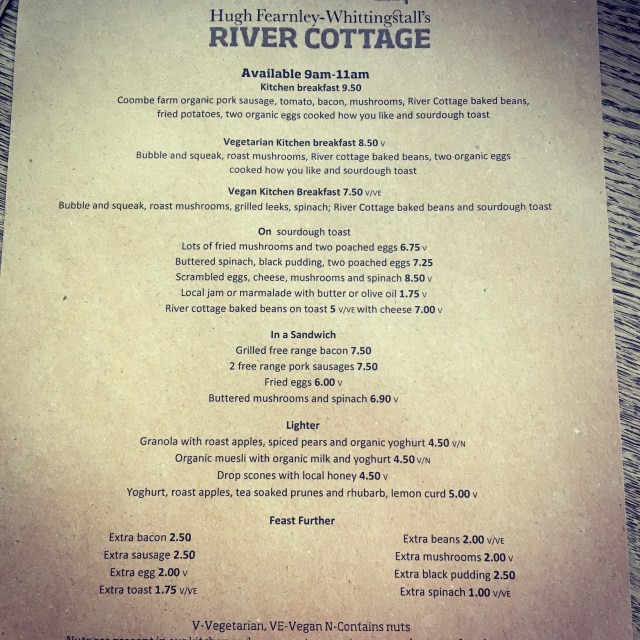
In Axminster, a short drive from Uplyme, we perused the Thursday morning open market in the churchyard of this gorgeous old market town and had breakfast one day in River Cottage Cafe on the square. The small town square centred around the impressive church is lovely and the food at celebrity Hugh Fearnley-Whittingstall’s cafe was delicious (as was the coffee).
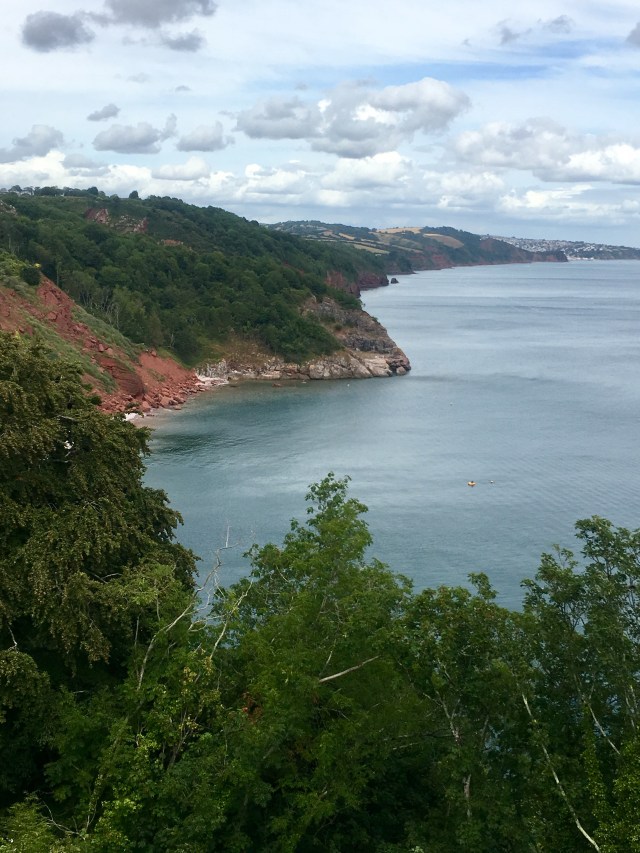
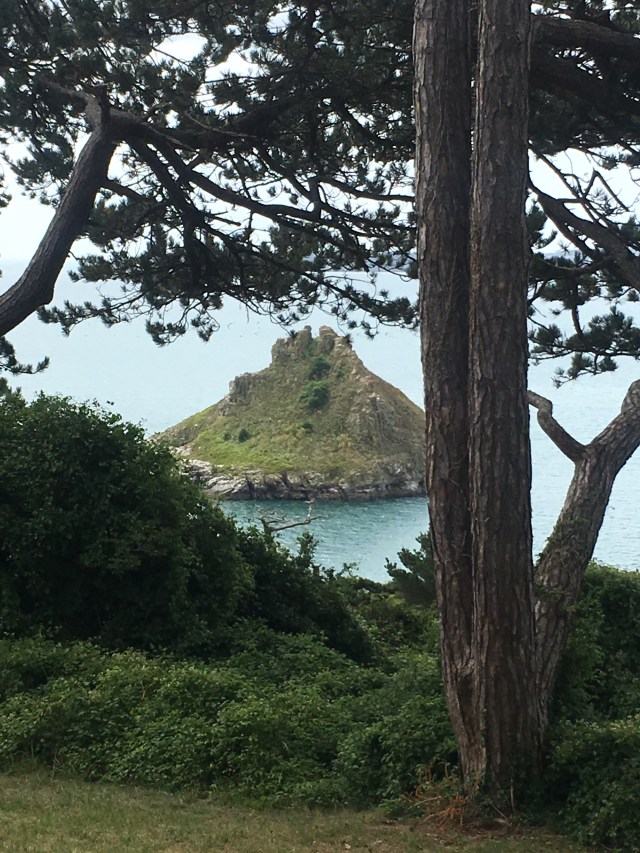
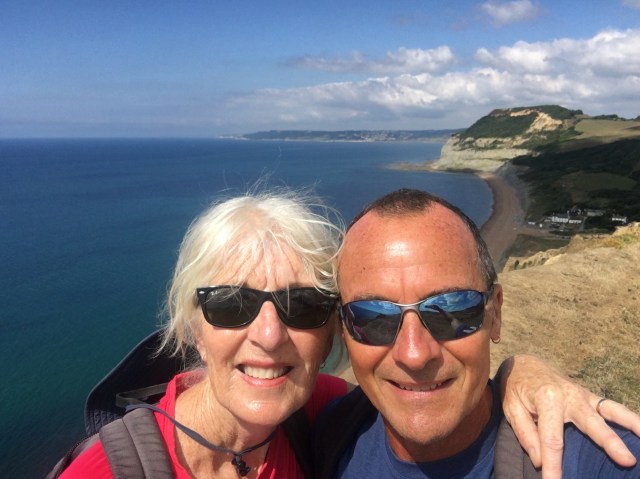
Determined to finish as many sections of the Coast Path as possible, we launched one last attack. The plan was to drive the 70km to Teignmouth via Exeter, hop on the train to Torquay then walk back to Teignmouth. Finishing this 11 mile section would signal the completion of a whole chunk of the Dorset/Devon path from Weymouth to Torquay, a distance of 154.3km (96.4 miles). The guide book alerted us to the challenges of this walk, with steep ascents and descents across the undulating clifftop farmlands and through lush green woods. This it proved to be but also very rewarding with some panoramic views of sweeping Tor Bay and rocky coves studded with old smugglers caves and inlets.

More alarming, however, were the reactions from locals we encountered when we told them of our intention to attempt the walk. Here’s a sample:
“What?! Mental! Why not just catch a train?” from the lively and animated young train conductor on the Great Western Rail line.
“You should be alright. Just take lots of water and food”, from the wide-eyed woman in the Tourist Information Centre.
“You’re doing the uppy downy bit!” from the shocked looking woman with a dog who we passed near the start of the walk.
“Has anyone told you about next bit?” from the incredulous barmaid at the impossibly cute Thatched Inn at Maidencombe, the half way point (where we stopped for a quick shandy), followed by “I did that once with my Mum. Never again!” from her colleague.

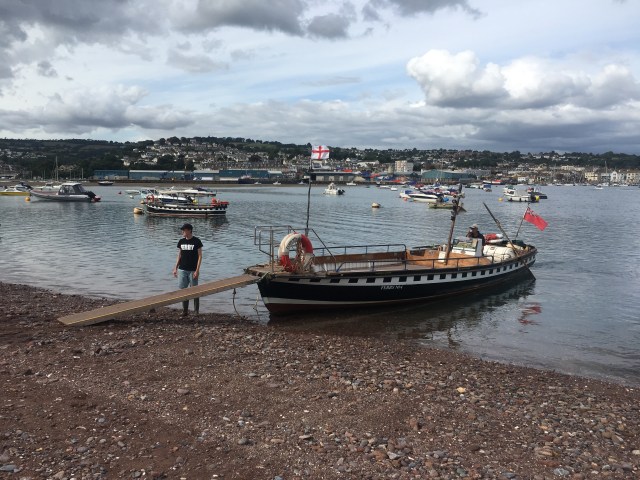
We should have taken heed but the intrepid Clapmacks were not to be beaten (although Graham did wonder if he might have been better equipped in walking shoes rather than reef sandals). Undeterred we managed to finish the gruelling section, allowing ourselves the prize of a little ferry ride at the end, one of the oldest in England, from Shaldon to Teignmouth Harbour and then fish and chips for dinner. You guessed it – there’s a Wetherspoon pub 50m away from Teignmouth Train Station.

One more day on the beach at Seaton, a farewell family dinner in Charmouth and a final stroll along the Lim River path into Lyme to soak up the twilight atmosphere at the harbour and our month in Devon was over. The little “Wendy house” in Steve and Julie’s garden in Uplyme has become a second home for us and we’ve been spoilt by their kind hospitality. So it was with a twinge of sadness that we said goodbye and set our course for the Cotswolds – the next stage of our retirement adventure.

Sports and Walks in Wessex


On a certain sunny Sunday in July, we struck sports gold with the British Grand Prix from Silverstone, the men’s singles final in Wimbledon and the one-day cricket World Cup Final at Lord’s, with England playing New Zealand in the latter. What a feast for sports fanatics! Neither England nor New Zealand had ever won the cricket World Cup, so much was at stake. Plus Englishman Lewis Hamilton was a hot favourite for the Grand Prix and number one and two seeded players (Federer and Djokovic) were slugging it out for a grand slam prize. 

To cut to the chase, Djokovic beat Federer in an epic five set battle that could have seen either player the victor; Hamilton squeezed out Bottas to pick up the chequered flag and 26 championship points; and England won an absolute nail-biter at Lord’s that is being heralded as the greatest one-day cricket match of all time. Absolutely amazing! We watched some at home, followed some on our i-Phones and bounced between the telly and the dinner table at Roy and Kay’s in Charmouth.

However, apart from us two and our Dorset Family, it appeared that no one else in this sleepy little corner of England was even aware of these momentous events and results. We stopped for a quick pint in a gorgeous pub in Lyme and were met with blank stares when we asked if the cricket was on. Evidently they hadn’t even discovered television at that particular establishment. And nowhere else in the streets or shops was there any evidence of even a spark of recognition that England had just won its first ever cricket World Cup in spectacular fashion (eg flags, bunting, blackboard notices, the faint sound of people singing “Swing low, sweet chariot” etc). As stunningly beautiful as Dorset is, it is also evidently a sporting black hole.

Back on the South Coast Path, we used our third week in Dorset/Devon to launch our attack on the Lyme Regis to Weymouth section. Having previously railed against the unreasonable expense of local bus travel, we bit the bullet and invested in a seven-day bus pass, giving us unlimited use of buses throughout Dorset. Over the ensuing days we became intimately acquainted with the road between Uplyme and Weymouth, catching the bus to various villages in between, walking through to a convenient spot on the trail (ie somewhere with a nice country pub) and catching the bus back to Uplyme. The weather continued to treat us kindly, with warm sunshine, gentle breezes and partial cloud cover following our progress.

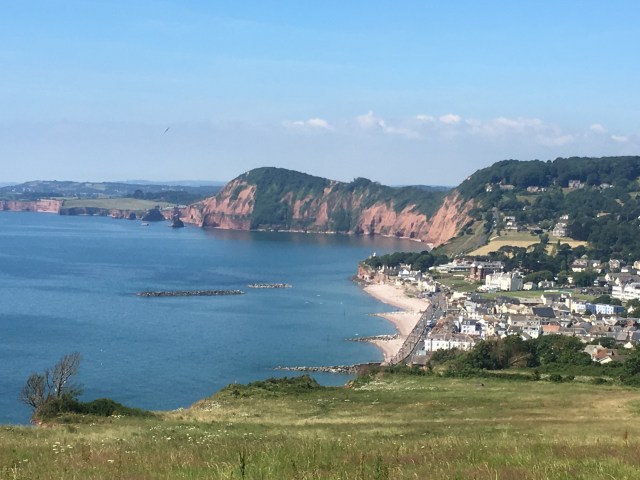
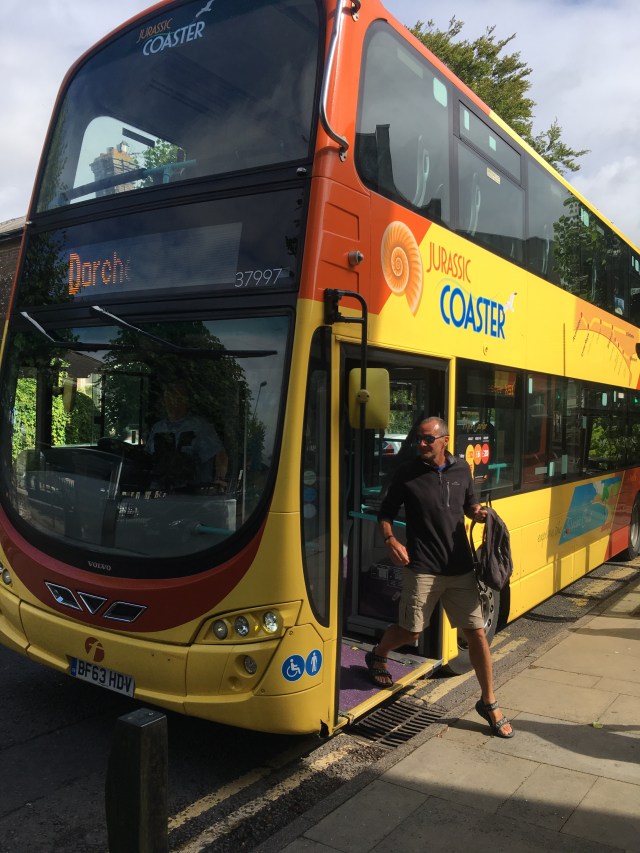
Dorset’s Jurassic Coaster, the X53 bus, traces what is reputedly England’s most scenic bus route (at least that’s what the company’s advertising suggests). Without the knowledge of other scenic bus routes in England it’s impossible to judge, but we certainly wouldn’t argue otherwise as it is a stunningly gorgeous ride – rocky bays, craggy clifftops, rolling meadows, ancient stone- built villages, market towns and coastal plains. We spent literally hours on this bus route basking in the beauty around us.

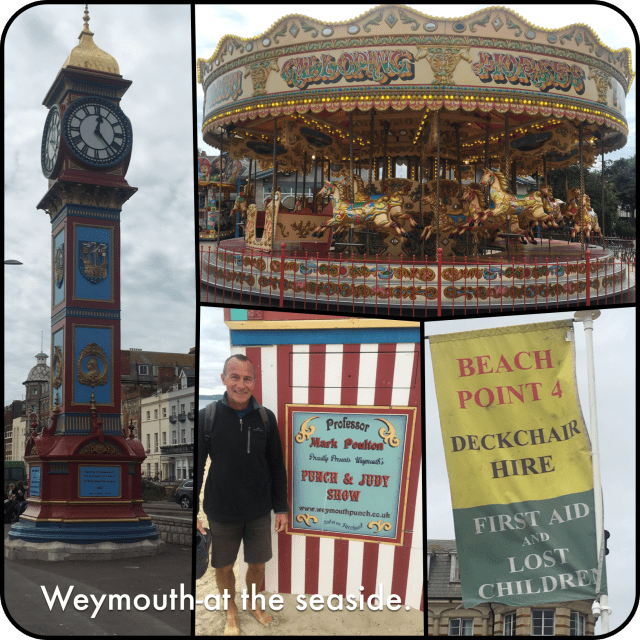
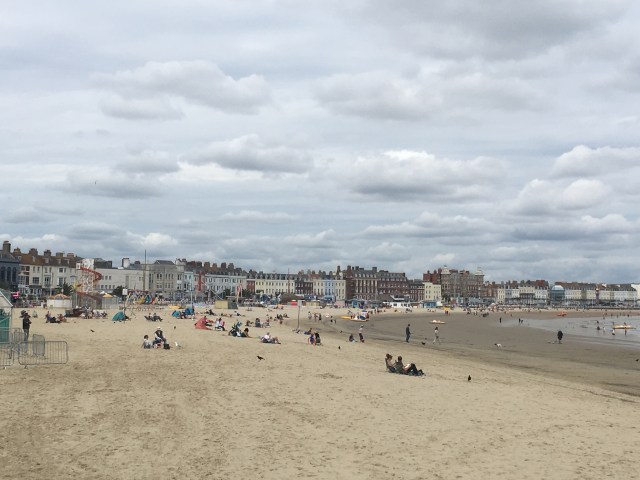
After so many pebble beaches, it was a delight to walk on the soft sands of Weymouth Beach. Here the sand is legendary as one of the finest in the world – microscopic examinations show tiny particles, much smaller on average than any builders’ sand. Weymouth is a typical Victorian seaside town where the stretch of sand leading to the ubiquitous pebbles on the Eastern end of the bay makes an added attraction to the obligatory donkey rides, Punch and Judy show, funfair and amusement arcade. Graham has fond memories of family holidays in Weymouth as a child and the impressive sand sculptures on the beach. The sculptor who practised his craft in the time of Graham’s childhood holidays did so for 75 years. His grandson, who was apprenticed to his grandfather in the 1990s now continues the tradition. 

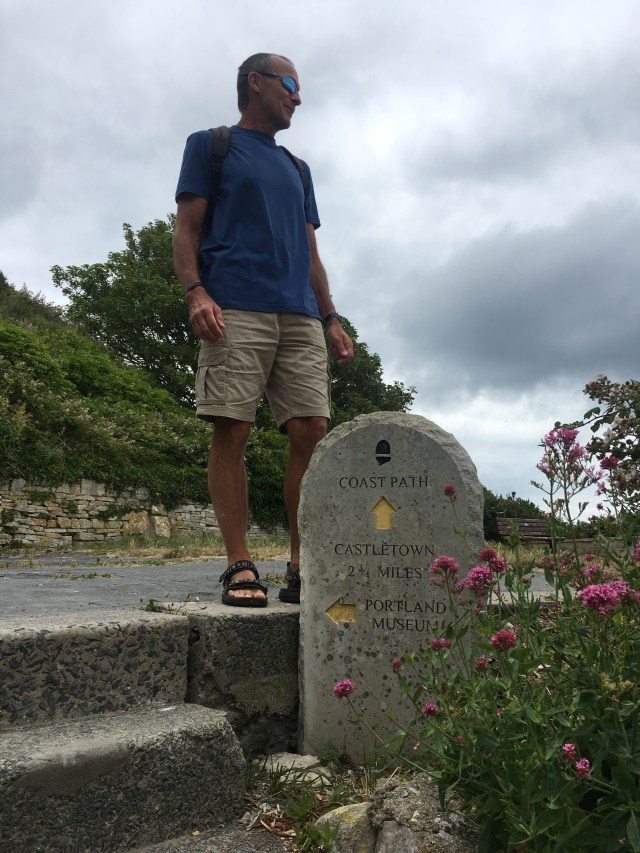
After soaking up the seaside atmosphere of Weymouth, we walked around the marina and then a further eight miles on the Coast Path back to Chickerell. This was cause for celebration as it marked the completion of an 81 mile section of the path from Teignmouth in Devon to Weymouth (including the Isle of Portland) in Dorset. We dined very well at a popular seafood restaurant in Lyme Regis as a result.

The timing of this closure in our somewhat sporadic attempt at linking up walks on the Coast Path was perfect. The cloud cover increased overnight and it started raining persistently throughout the night and all through the next day. Sue was especially relieved as it forced her Terminator husband to stay indoors for a while and gave her aching joints and leg muscles a chance to recover before the next round of torturous marches that she knew was forthcoming (hee hee).
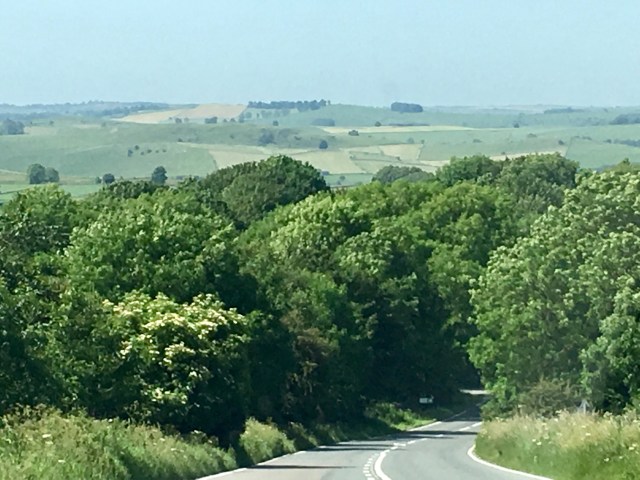
Wessex, the Anglo-Saxon kingdom in the south of Great Britain from the early Fifth Century until the unification of England in the 10th Century. Author Thomas Hardy set all his major novels in the south and south west of England, an area he called Wessex after the medieval kingdom. Armed with this historical information, we ventured to Dorchester, the ancient Roman town and present day county town of Dorset to explore. Once known as Casterbridge, Dorchester is the setting of Hardy’s novel, “The Mayor of Casterbridge”.

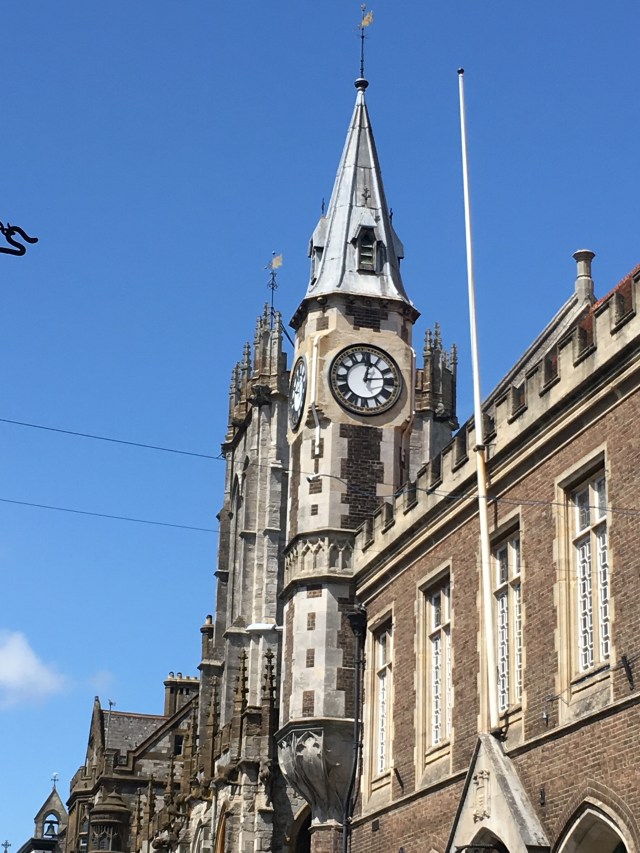
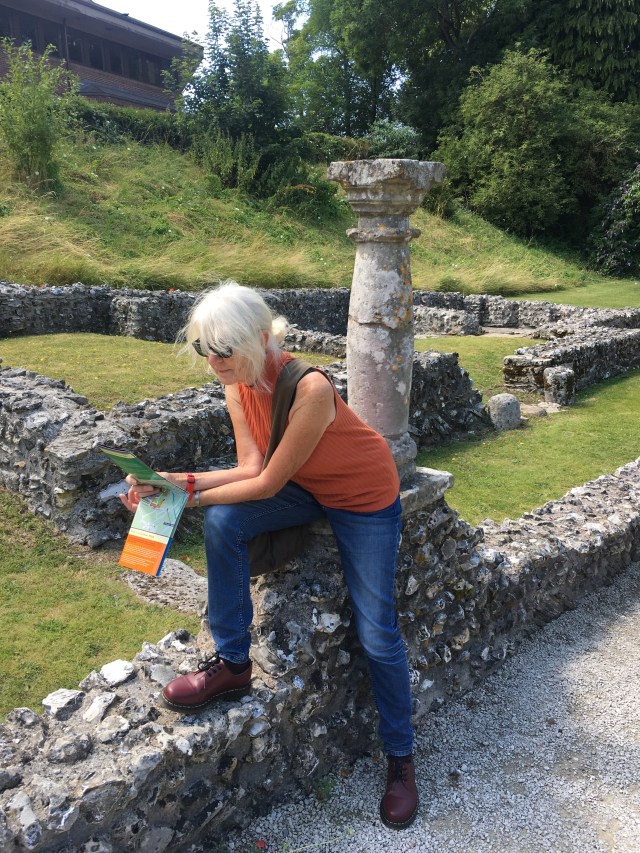
What a gem of a town! Here we found the remains of Roman Walls that once encircled the town and a Roman Town House, the finest example of its kind in Britain. There are many churches, inns, halls, warehouses and homes dating back to the 17th Century in the elegant town centre that still holds a market on Wednesdays, a tradition started in the early 19th Century. The small, beautifully manicured Victorian Borough Gardens won the prestigious Green Flag award for the last three years.

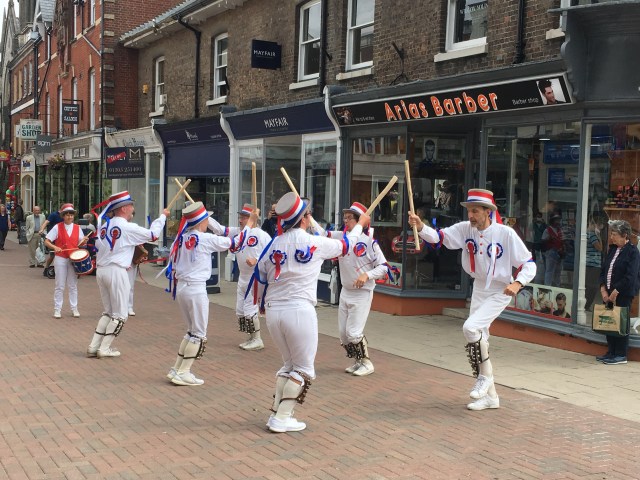
Several specific buildings are mentioned in Hardy’s “Casterbridge” novel, a memorial statue to the novelist stands at the main crossroads and his own house, Max Gate, on the town’s outskirts is now a Hardy museum. But more importantly than all that, Morris Dancers in traditional regalia were demonstrating their weirdly wonderful performance art in the pedestrian thoroughfare, accompanied by folk tunes played on period instruments – an unsurpassed cultural highlight. And, right across the road from the old courthouse where Judge Jeffreys condemned the Tollpuddle Martyrs to their cruel fates, there is a Wetherspoon pub. As previously mentioned, it’s a gem of a town.

Walking the Way Marked Path ……..July 2019

Driving in the English countryside. It’s exciting and challenging; it’s a sensory adventure; it’s almost an extreme sport; it’s potentially obsessive. 

Some years ago when we were driving the tiny laneways of Southern Ireland, we were shocked that the 50 mph speed limit didn’t change to accommodate varying driving conditions. It was bonkers! It seemed to be issuing drivers with a challenge rather than protecting them from harm. In England the speed limits are more conservative – 30 mph through villages and towns, 40 mph on narrow B roads, with reducible limits on tight bends and blind dips and summits, 50 mph on dual carriageways (generally the A roads).
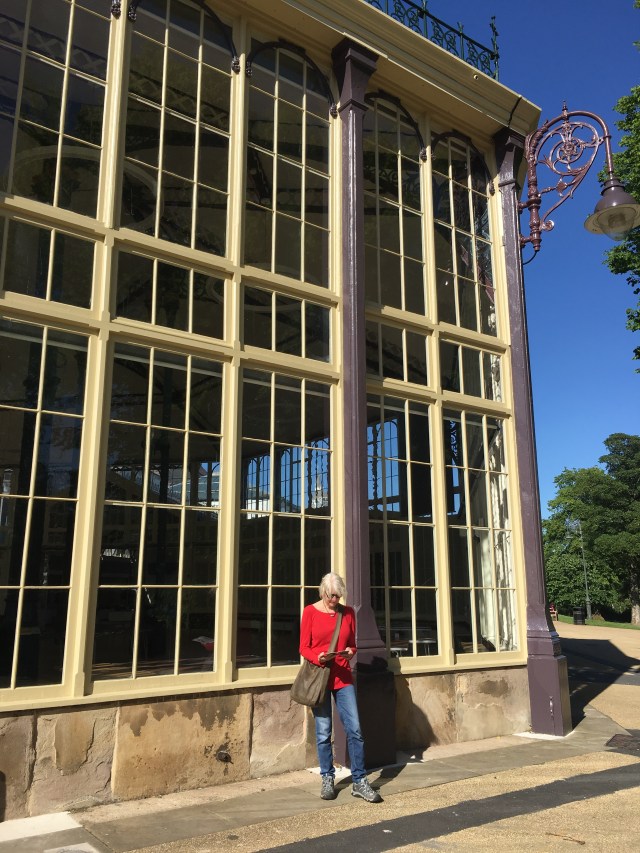
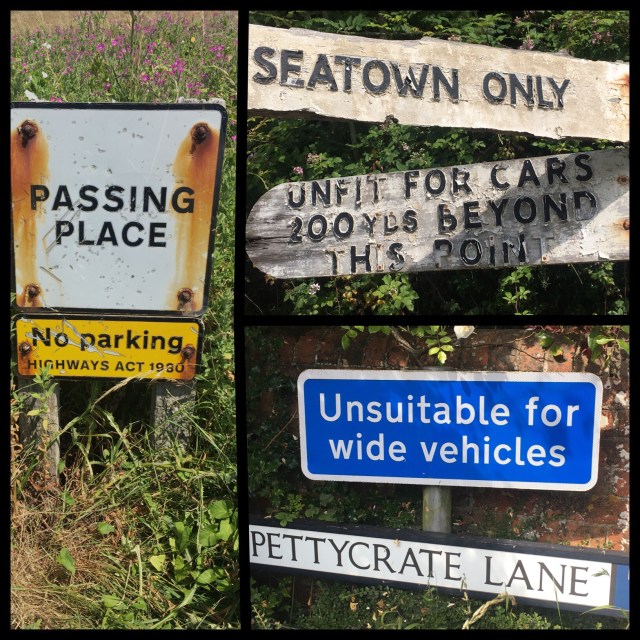
Nevertheless, we found some roads harrowing to drive. These are the single lane roads, little more than 7 feet wide, with undulating twists and turns and tall hedgerows on either side restricting visibility entirely to the road ahead. Some of these roads have occasional passing places and some don’t. Approaching blind corners and meeting oncoming vehicles can create adrenaline charged moments of tension. Reversing to the nearest passing place with a tractor closely following your progress from the front can be nerve-racking. 
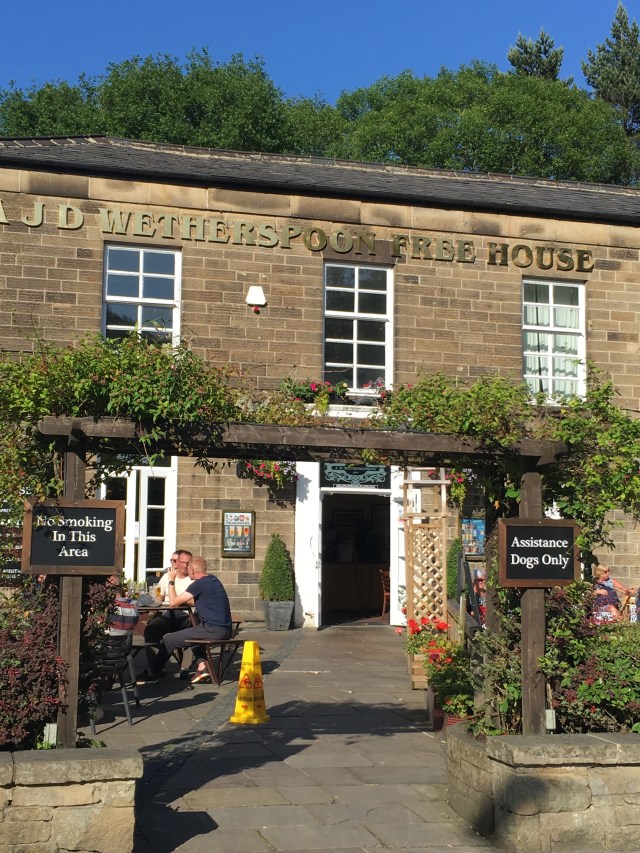
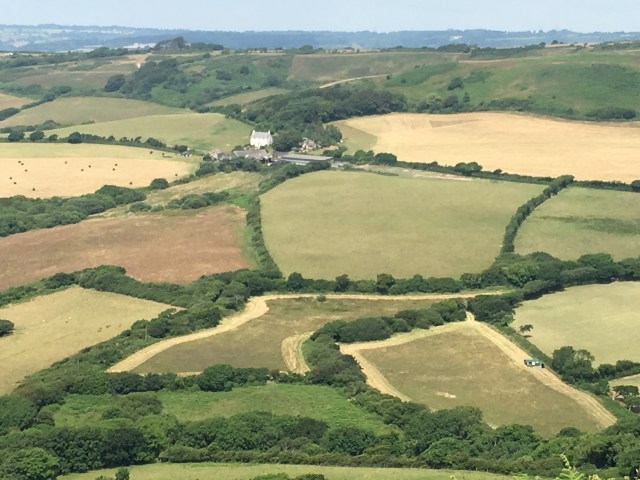
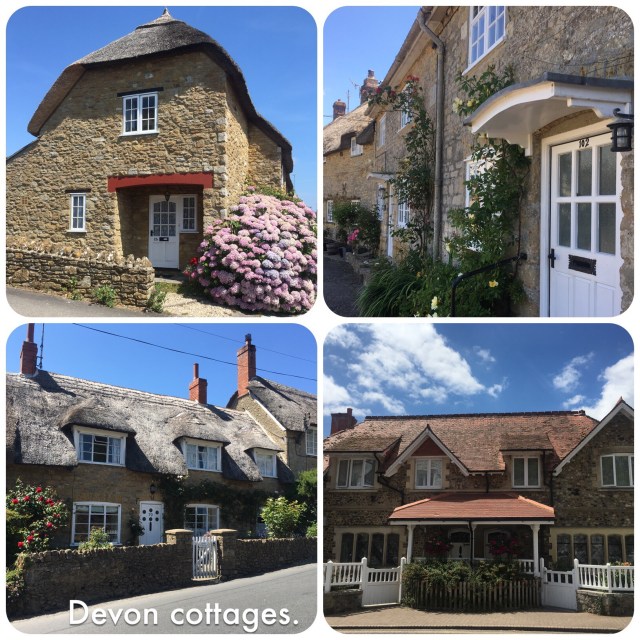
Making these little adventures all worth while are the world’s cutest villages that dot the countryside, with ancient stone houses, halls and churches, neat thatched rooftops, inviting inns and pubs along with green pastures, flowered meadows and cropped fields divided by stone walls, all coloured with vibrant arrays of bountiful summer blooms. And that’s just on the way to stunning coastal walks. 

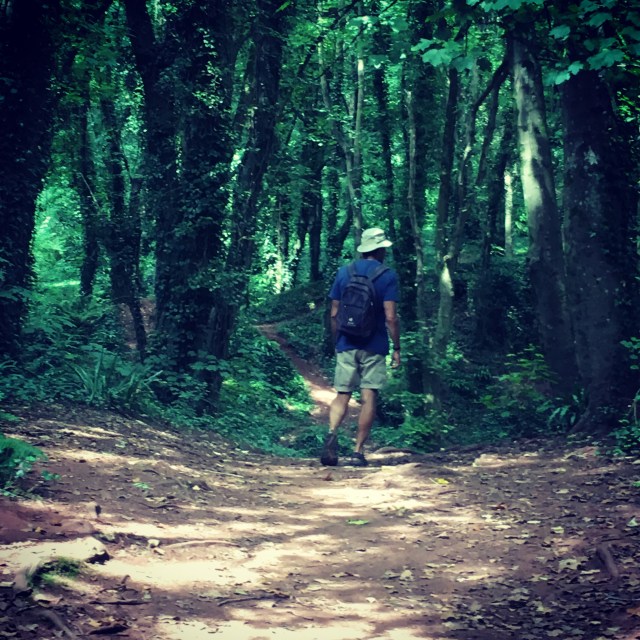
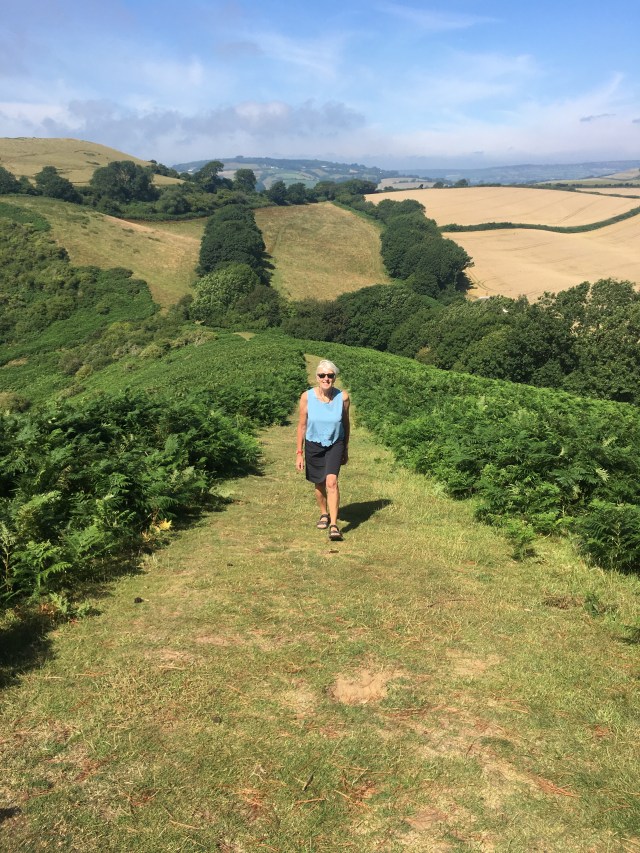
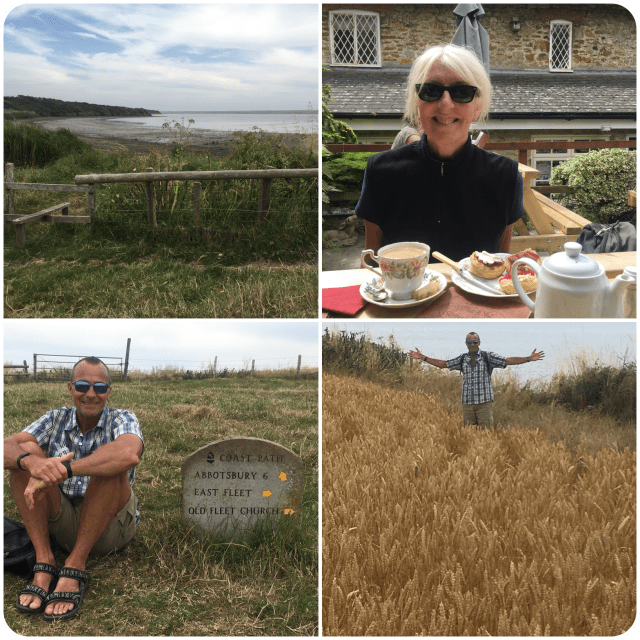
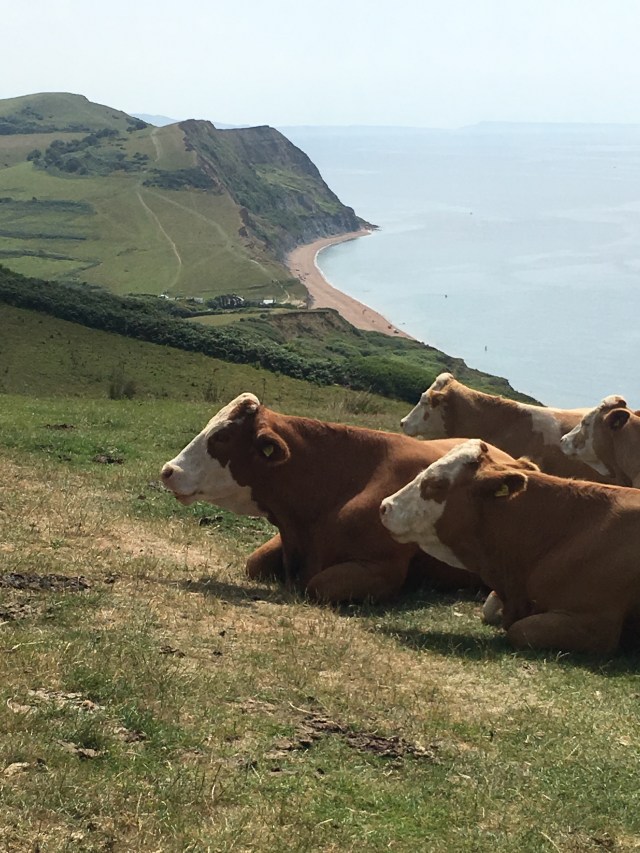
Determined to complete as much of the South Coastal Path in Devon and Dorset as possible, we began filling in gaps section by section. We walked over steep chalk and clay cliffs, through woods and forests, across cow studded fields of bucolic tranquility, along pebbled beaches and, occasionally, down laneways and roadsides. 


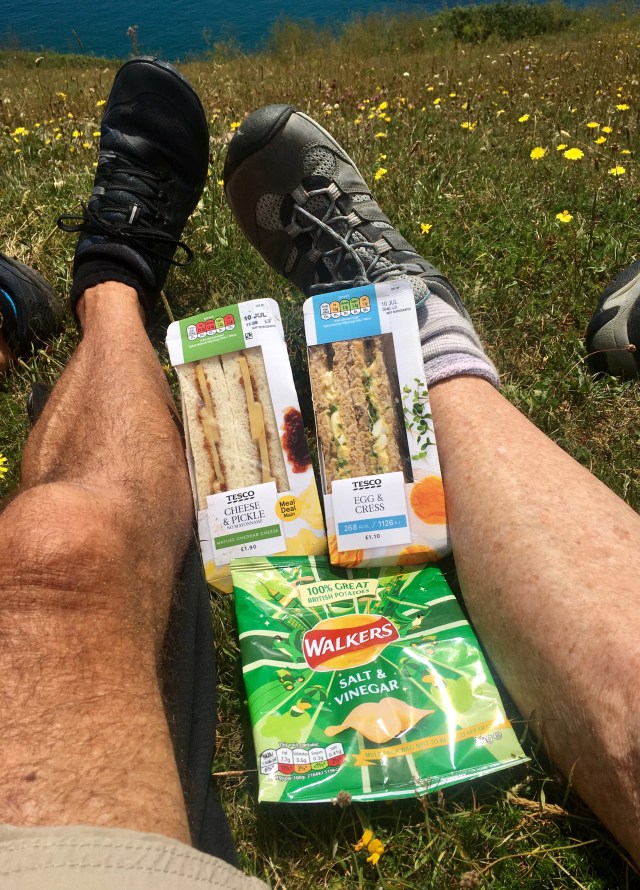
Armed with a Tesco picnic, bus timetable and our trusty South West Coast Path Guide, we covered many blissful (and blister-full!) miles in glorious summer weather that appeared to be unending.

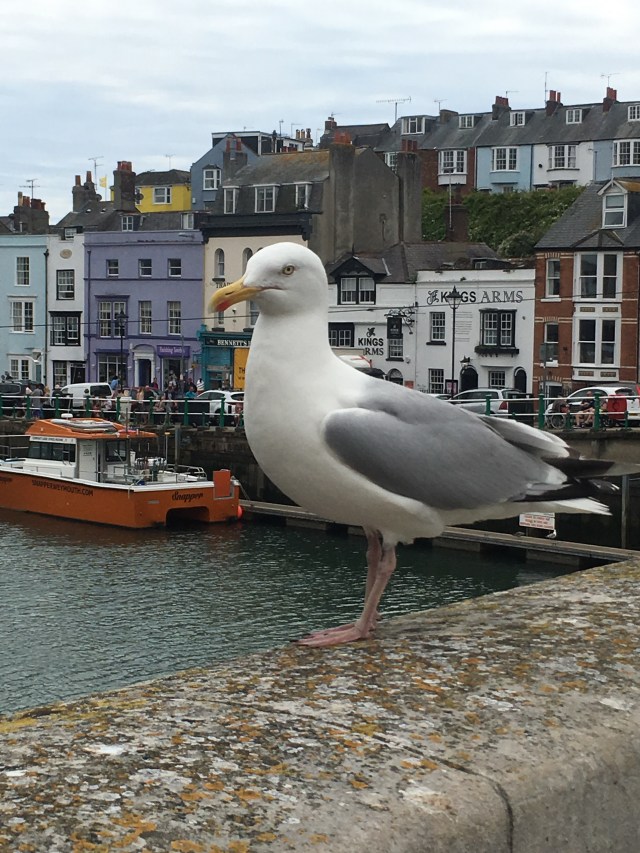
Many non-Aussies we meet on our travels are amazed that we have survived for so long in Australia without being attacked by a shark, bitten by a snake or a spider, stung by a box jelly fish, or eaten by a crocodile. Some marvel at our courage living in such a perilous environment. What no one here mentions is the extreme risk posed by a vicious and savage beachfront attack on the beautiful South Coast that far exceeds any potential dangers back in Oz. Sue suffered just such an attack while we were enjoying a brief lunch break in the popular holiday town of Dawlish in East Devon. An enormous seagull swooped from behind, landed on her arm and attempted to wrestle her sandwich from her. Fortunately it managed a small bite only before our combined strength overcame the beast and it flapped off noisily, only to perch nearby eyeing us with a reproachful glare. It was touch and go for a moment but we saved most of the sandwich and Sue sustained a minor scratch only. The entire episode lasted a few seconds, leaving us badly shaken. After all, it wasn’t just a cheese and pickle sandwich from Tesco, it was a gourmet smoked salmon and egg sandwich from a local providore. Buyer beware!

As migrants to a new country (albeit nearly half a century ago), we have both started to appreciate more and more the value of extended family across the seas and far away. Another reason for parking ourselves in Uplyme was to be close to Graham’s family. We briefly helped cousin Wendy move from her rented flat in Lyme to her newly purchased home in Charmouth, a lovely old cottage on the edge of the village with views to the ocean. We shared pots of tea and biscuits with Roy and Kay in their Charmouth home and we enjoyed some family dinners together as well. Good times that we will replicate later with Sue’s extended family in Essex. 

Heavenly Devon …….July 2019

Last year on our relocation cruise to Europe we met a lovely couple, Jackie and David, who divide their time between England and New Zealand. So taking our trusty little Hyundai i30 hire car on its furthest trip to date, we said our goodbyes to the girls and the dogs in Stapleford and set forth for The South. 

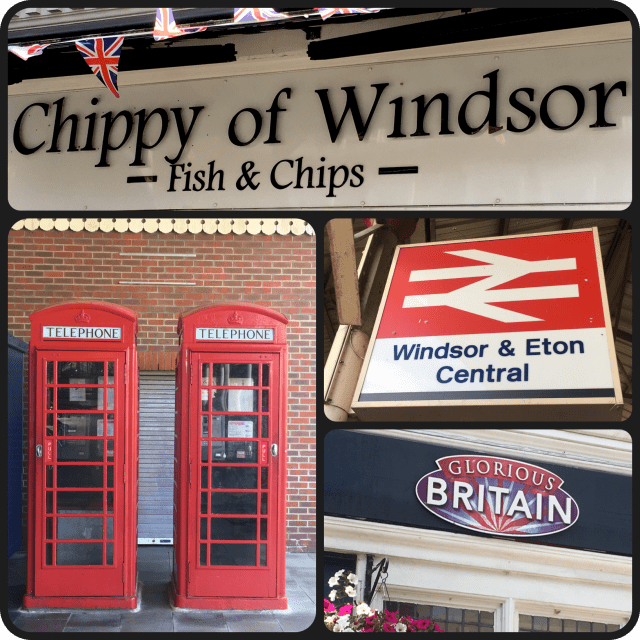
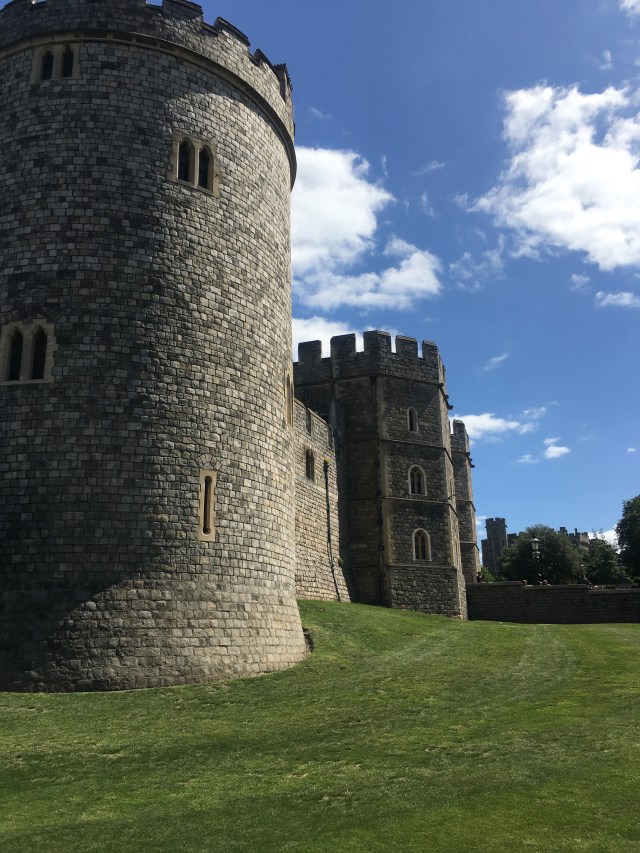
Our friends in Berkshire were generous and gracious hosts, making us very welcome in their comfy home in Little Sandhurst. We walked through the forest bordering their house and on the following morning drove to Windsor, the historic royal town where we saw the changing of the guard outside Windsor Castle and soaked up the atmosphere of this medieval town. Berkshire, where Graham spent seven years of his childhood, is one of the Home Counties. The corner of the county where we stayed is a most liveable part of England’s green and pleasant land and has become yet another of the many possible holiday home destinations that grace the Clapmacks’ Lotto dreams.

From Berkshire we retraced our steps of the previous year, taking the A303 past Stonehenge on the Salisbury Plain and on south through Somerset and Dorset to the East Devon village of Uplyme. We have both fallen in love with the South Coast of England from past trips and decided, for a retirement treat, to park ourselves there for a month of serious relaxation punctuated by walks on the Coastal Path. We returned to the Air BnB apartment we used last year, a cute, cosy studio in the leafy garden of our hosts Steve and Julie. It felt like a homecoming when we arrived.

So we settled in to a slow, gentle pace of life in the stunning location of Uplyme, right on the border of Devon and Dorset on the Jurassic Coast and a 30-minute countryside walk along the River Lim to the bustling little seaside resort town of Lyme Regis. Heaven.

The closest village to the east of Lyme Regis is Charmouth, home to the Heritage Coast Centre, showcasing the region’s concentration of fossil reserves and also home to Graham’s Uncle Roy and Auntie Kay. We walked along the beach to Charmouth, stopping in for a cup of tea and a chat, then took the Coastal Diversion Path back to Uplyme. 

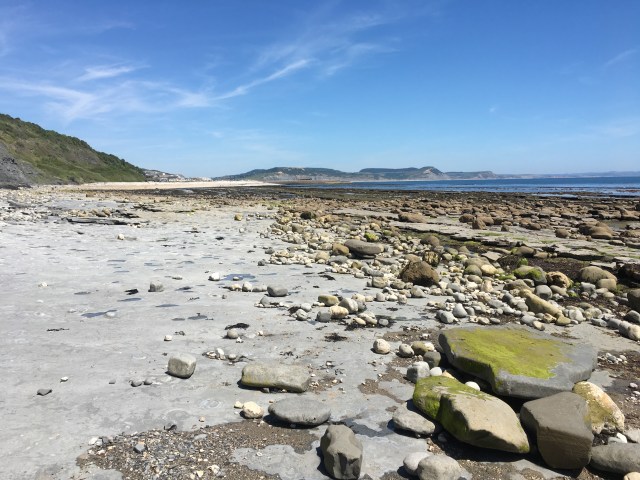
Just a little clarification here to complete an otherwise idyllic picture. We say we walked along the beach to Charmouth, but this consisted predominantly of pebbles, stones, rocks and boulders. Sue asked the salient question, “What do the Brits mean by ‘beach’?” causing Graham to reply, “Wherever the land meets the sea” (with the exception of coastal cliffs, naturally). That clears that up.

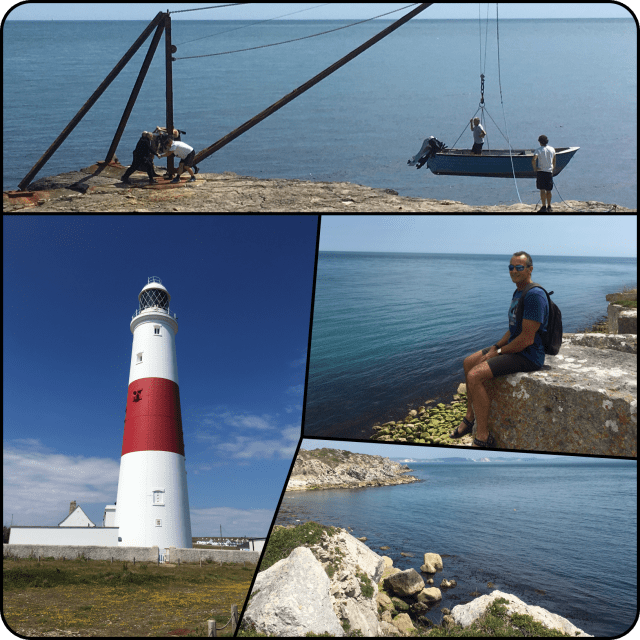
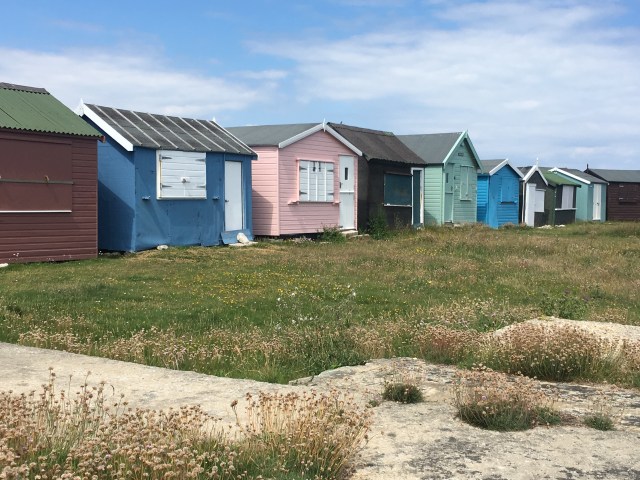
Continuing our assault on the South Coastal Path, we drove east towards Weymouth, a major holiday town, then onto the promontory of Portland (the Isle of Portland) where the famous limestone Portland Stone is still quarried. We completed a circular walk from Church Ope Cove on the Eastern side of the promontory, rounding the tip at Portland Bill. Stunning rocky cliffs and panoramic ocean views followed our progress. The clifftops at Portland Bill are dotted with lawnsheds, an eclectic if somewhat ramshackle collection of tiny holiday huts. Similar to the rows of colourful seaside huts that grace so many of England’s holiday beachfronts, the lawnsheds have no amenities and vary in size, building material and decoration. Perched on the clifftops with no seafront access, this doesn’t stop holidaymakers from setting up theirs deckchairs, brewing up on a Primus stove and having their hours in the sun. With the sheds resembling some of the makeshift homes we saw in South America, Portland Bill looks like some kind of holiday favela. (But the scenery is nevertheless quite breathtaking.)

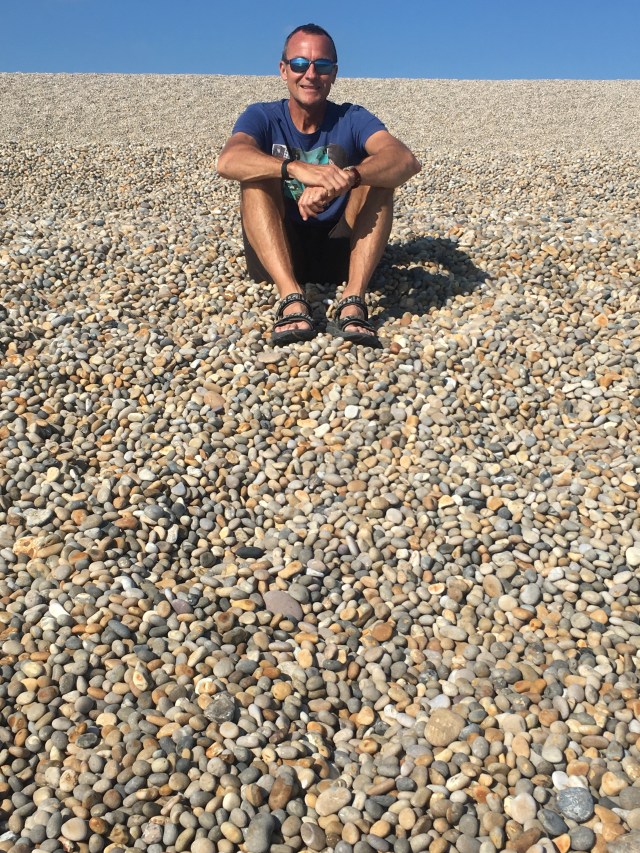
On the drive back, we stopped briefly at Chesil Beach, made famous in our minds by Ian McEwan in his novel of painful young love, “On Chesil Beach”. As if to emphasise the previous point about English beaches, Chesil Beach is an 18-mile long storm beach consisting of billions of pebbles washed up over 10,000 years ago, enclosing Fleet Lagoon, England’s biggest saline lagoon. There is now one pebble less since Sue’s visit. You can’t swim off the length of the beach due to dangerous drop-offs and strong undertows and you can’t walk or sit comfortably due to the pebbles. There is no vegetation and the banks of the pebble spit slope steeply in places and you have to pay to park your car. But apart from that, it’s lovely!

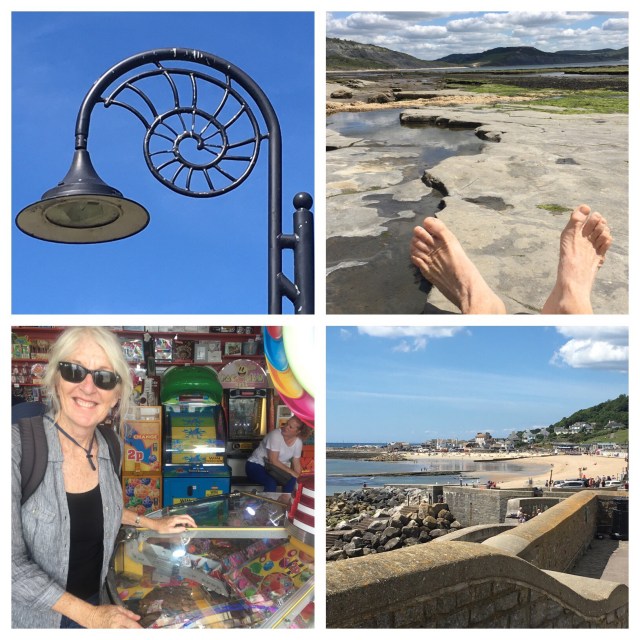
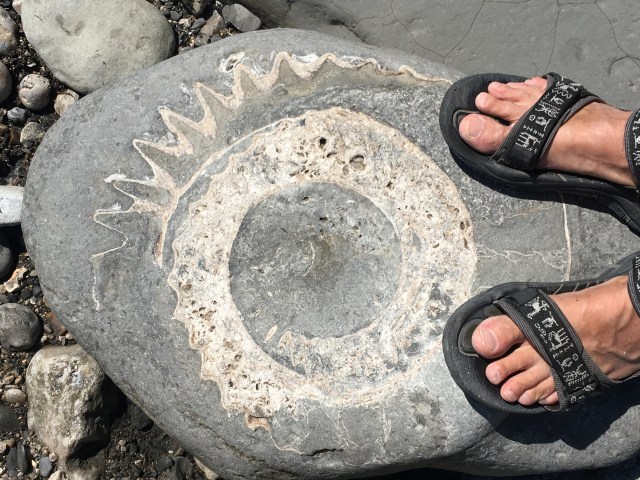
The East Devon and Dorset coastlines are famous for their fossils and consequently referred to as The Jurassic Coast. On a warm sunny day we walked again into Lyme to visit Graham’s cousin Wendy in her attic flat on a hill overlooking The Cobb (old stone pier) and the entire panorama of Lyme Bay – spectacular! Wendy took us on a beach walk across an expanse of rocks and pebbles to a flat bed of smooth undulating rock containing thousands of ammonite fossil remains. Known as The Ammonite Graveyard, this quiet patch of beach under a shale like cliff-face is breathtaking. You are literally walking on fossils as you wend a path through the rocks and over the flat section of ancient rock. How could such a primitive life-form organise itself so efficiently to establish a community burial ground?, Graham wondered as the sun beat down on his addled brain.

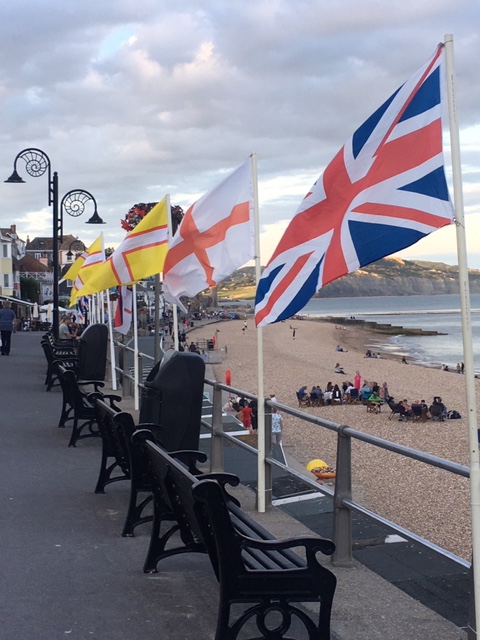
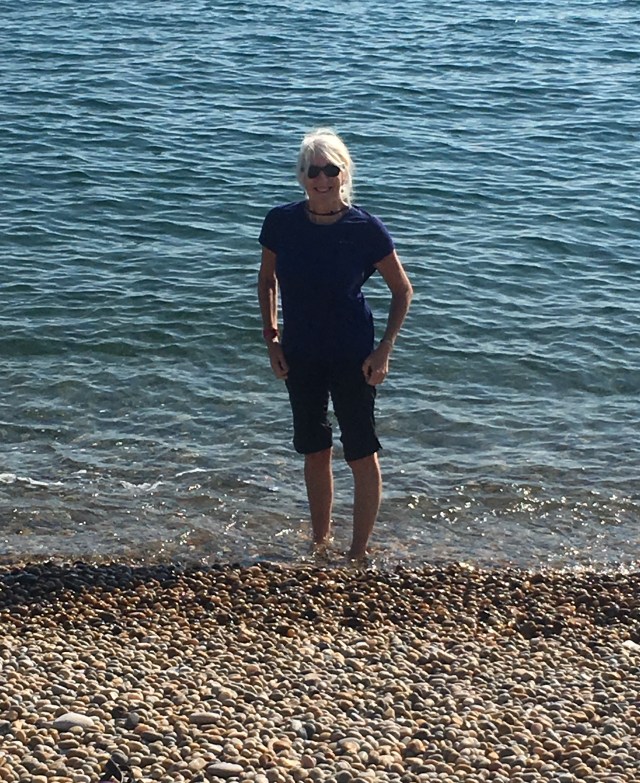
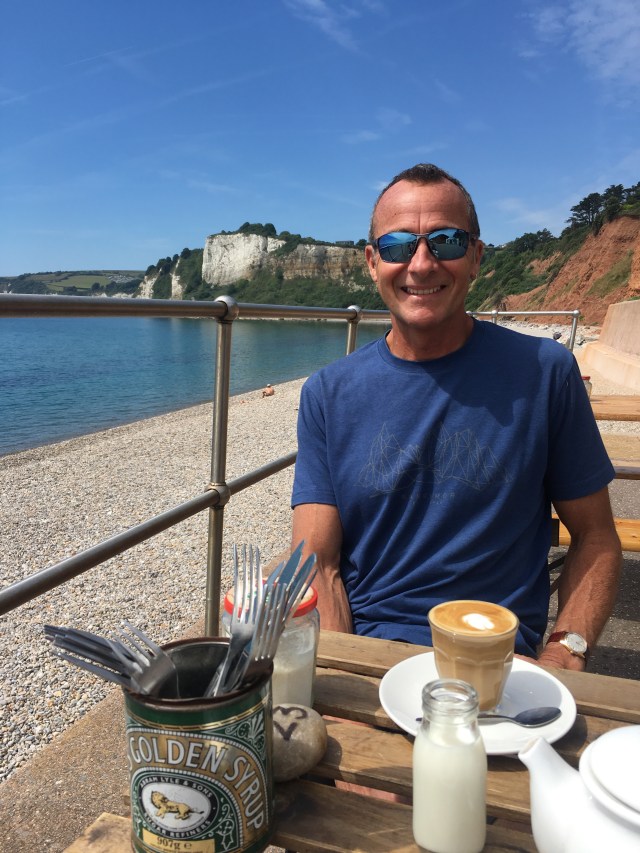
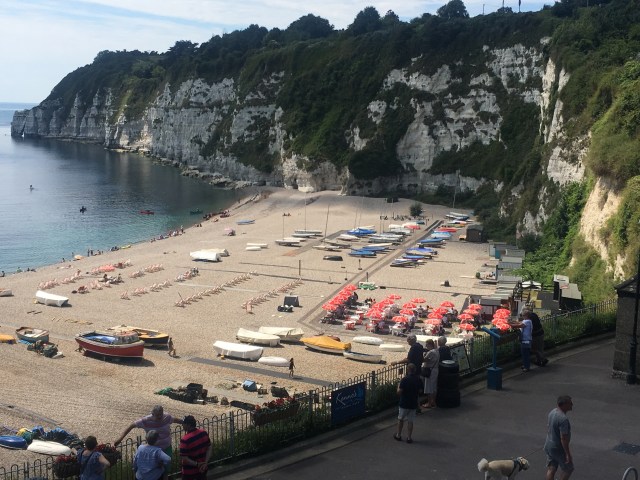
Summer by the seaside in England with beautiful weather ie it wasn’t raining. So the intrepid Clapmacks did what thousands of English holidaymakers do – they spent an afternoon on the beach. Rejecting the crazy-busy and rather cramped beach at Lyme Regis, we headed to nearby Seaton which has a much longer promenade and seafront. Armed with our Tesco beach towels and garbed in appropriately Aussie beach wear, we ventured onto the pebbles to secure our spot. Fortunately, the pebbles on Seaton Beach are all well rounded from centuries of tumbling about in the waves and this makes them quite bearable once a body is carefully positioned and kept relatively still. And so we whiled away a pleasant afternoon to the plaintive cries of gulls, the gentle chatter of children playing in the shallows, the smell of fish & chips frying, and the flap of deckchairs and windbreaks in the breeze, all overlooked by rows of coloured beach huts and a backdrop of limestone cliffs.
Mental note: next time, replace sunscreen with antiseptic cream to treat gravel rash.

The North….. June 2019

The public transport system in England is extensive and generally efficient and effective. You can basically get to wherever you want to across the country whenever you want. The cost of these services is, however, bewildering in its inconsistency and variation. We have all but given up on the overground trains, the cost of which fluctuates widely on any day from “expensive” to “here are the deeds to my house”.

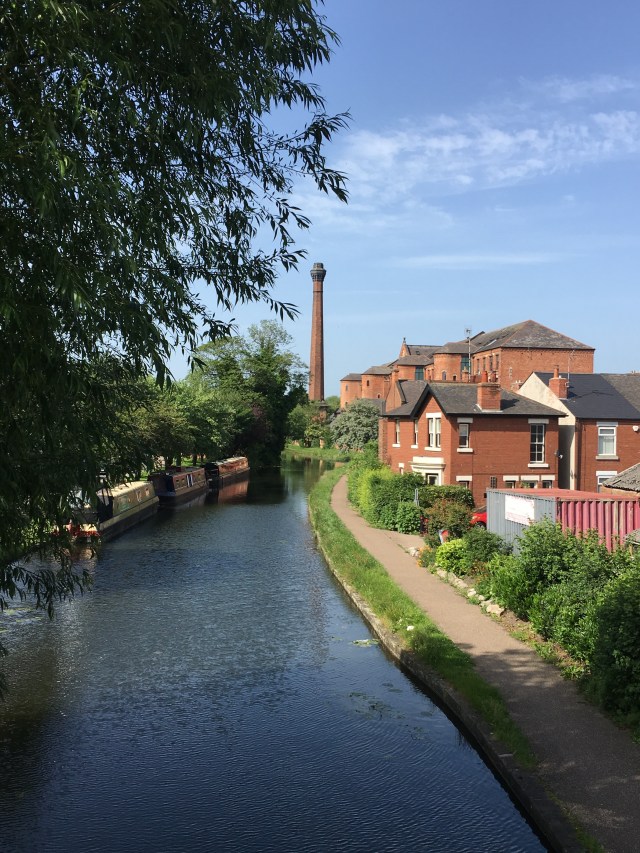
Canal tow path – Stapleford

Our preferred mode of cross-country transportation is the National Express coach, which, for £5 each plus a £1 booking fee for both of us, took us from Victoria Station to Nottingham University, a distance of approximately 130 miles. On alighting, we then paid £11 for the two of us to catch two local buses less than five miles up the road to Stapleford.

The unfathomable fares aside, it was a pleasant ride back to the Midlands and the comfort of our second home with our girls, Amy and Claire and their dogs, Max and Bella. Walks in the parks and around waterways nearby, home cooked meals, visits to the local Wetherspoon in the village of Stapleford – all very familiar by now and we easily slip into the gentle rhythm of the Northern lifestyle in the company of family.

As we grow older, we appreciate more and more the value and importance of family, particularly as we are scattered across the face of the earth. Therefore we took the opportunity to once again visit Sue’s ailing uncle Pete and his wife Yvonne in Cheshire. We hired a car and drove through the stupidly beautiful countryside of the Derbyshire Dales and Peak Districts. Rolling hills, historic market towns, fields interlaced with dry stone walls, winding roads lined with hedgerows leading through sleepy little villages. And on the edge of the High Peaks a roadside sign pointing towards “The Fox and Goose on Pudding Pie Hill”. This is what we love and find so irresistible about England.

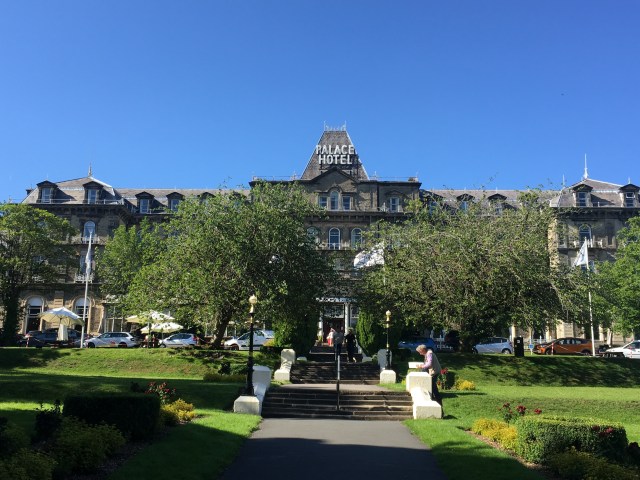
On the way back from Pete and Yvonne’s we stopped overnight in Buxton, an old Town in The Peaks famous for its healing waters and grand Victorian Buildings. We stayed in one – The Palace Hotel Buxton and Spa, a huge imposing edifice set on a hill overlooking the town amidst sprawling lawns and manicured gardens offering compact but comfortable accommodation for as little as £49 per night. Bargain! We spent our time wandering the pretty streets and public gardens in the warm sunshine, soaking up the ambiance of this gem in The Midlands.

Which way to Wetherspoon‘s?

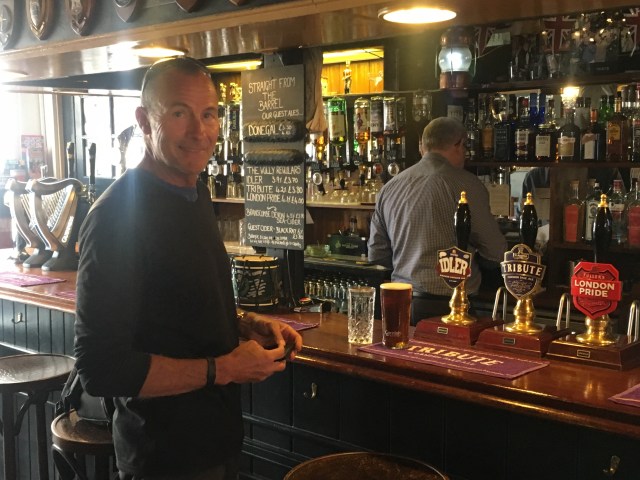
Foraging for food when travelling in the UK is an exciting venture. There are so many options with a wide range of costs. Tesco Meal Deals have become a favourite of ours but our unashamed top of the list go-to place for food and beverage on the go is Wetherspoon. We are converts and devotees of this pub chain and cannot find a competitive alternative that meets it for value and consistency. Good honest British pub fare, healthy salads and vegan alternatives, a range of inexpensive cask ales, beers, ciders, spirits and soft drinks, cheap breakfasts and unlimited coffee and tea – Wetherspoon pubs have the lot covered, often in old restored civic and public buildings with accommodation. We are hooked. In Buxton we could have taken a £10 meal deal back to our little room at the Palace, but instead we sat in the beer garden in the late afternoon sunshine at the local Spoons and had a meal and a drink each for around £15. Then we returned for breakfast in the morning – a full vegetarian English breakfast each with bottomless tea and coffee all for under £10. What’s not to like?

Back at the girls’, Graham’s belated 60th birthday celebrations continued with a surprise dinner at Champagne Palace. Claire, ably assisted in the kitchen by Amy, prepared a gourmet three-course dinner with accompanying ales and wine. After a late afternoon darts tournament in the garden, we sat down to this gorgeous feast with balloons, banners and birthday cards to complement the evening’s festivities. Sixty years old has never been so good!

Drama struck before we left Nottingham in the form of a heatwave. Extreme temperatures into the 40s had swept across central Europe over the week and on the last weekend in June the temperatures in England soared. Media warnings and advice preceded the firestorm and some events were cancelled due to the heat. Sunday was England’s hottest day of the year to date and as locals swooned and pubs struggled to keep up with the demands of its thirsty patrons, the temperature in Nottingham soared to THIRTY DEGREES CELCIUS!! Naturally to us sun-hardened Aussies, the pleasant summer day was comfortable during which the antics of the struggling poms provided an amusing distraction. The girls’ new gas BBQ worked perfectly and facilitated a most pleasant afternoon in the garden.

London calling…….. June 2019.

Summer in England. What could be better? That is, of course, assuming that the sun is shining, there aren’t any rail strikes and the Brexit fiasco doesn’t cause an economic landslide.

Mid-June 2019 finds us once again camped in London for a few days at the start of another extended holiday/road-trip. Only this time it’s slightly different. We are at the genesis of our new redirected lifestyle, free from the regular routine of paid employment forever. After years of careful planning, lots of thinking and some good fortune we have finally retired and can now concentrate on the rest of our lives together. Over the preceding years we have taken long periods of time out from work to travel the world and this has given us the opportunity to explore what retirement what might look like for us. And travel features prominently in those plans, with lots of experiences and reflections determining how and where these journeys will take us. 
Gone are the days of long arduous road trips (too tiring) and staying in dorm rooms (we’re too old for that). Our busy lives, stressful work and sometimes domestic situations for many years have reframed what a good life really looks like. It’s about being rather than doing. Experiences over consumerism. Taking time to relax and absorb a place instead of rushing around trying to see and do everything. Settling into the ebb and flow of life in a new location. Stopping to smell the roses. 
Which brings us back to London on a bright, sunny June morning. 
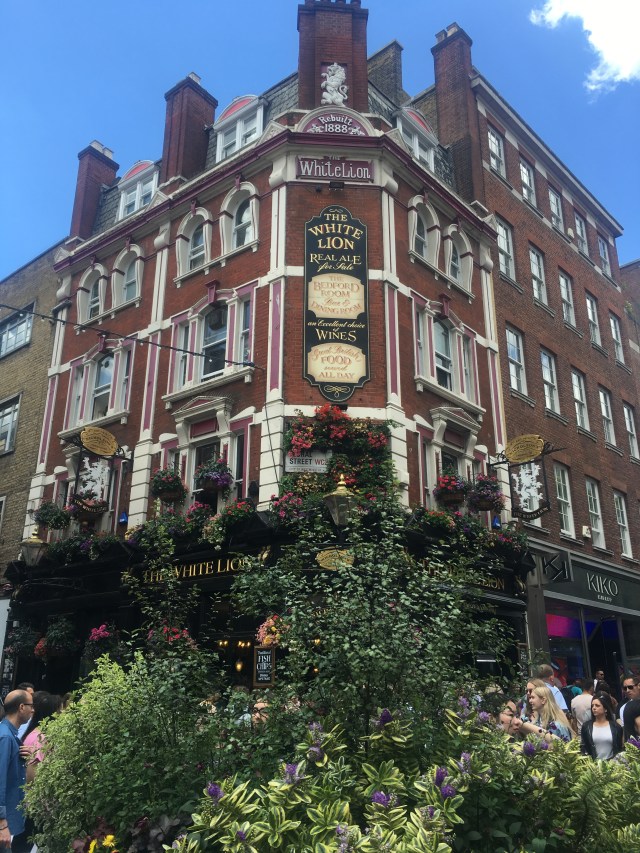
We took the non-stop Qantas flight from Perth to London Heathrow, arriving early on Thursday morning. By the afternoon we’d hit the local Waitrose supermarket, stocked up the fridge and larder in our cute little Air BnB flat in Kensington Olympia and were sitting in the Wetherspoon pub at nearby Shepherd’s Bush enjoying our first pint and soaking up the possibilities of our newly gained freedom. 
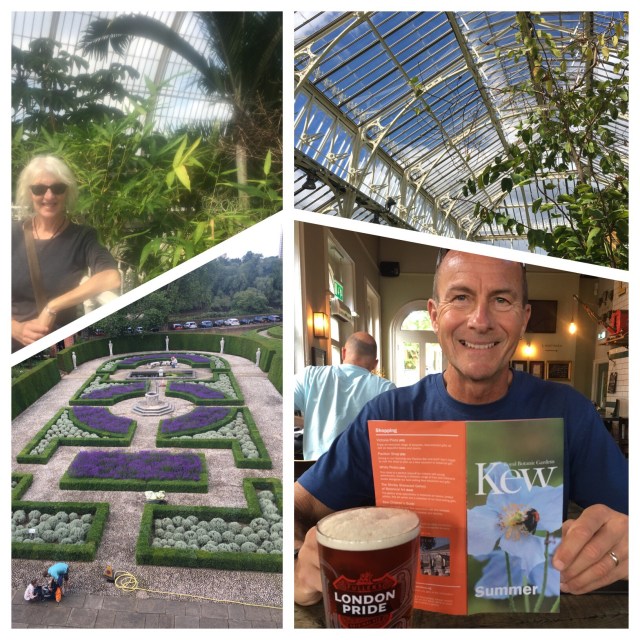
We love England and London and had decided to visit and explore some different areas on this trip. Kew Gardens was our first port of call, the largest botanic gardens in the world, housing impressive Victorian glasshouses and Kew Palace, the home of King George III. A small glass house adjacent to the magnificently restored Temperate House (the world’s biggest Victorian glass house) caught our eye as it contains exhibits exclusively from Western Australia.
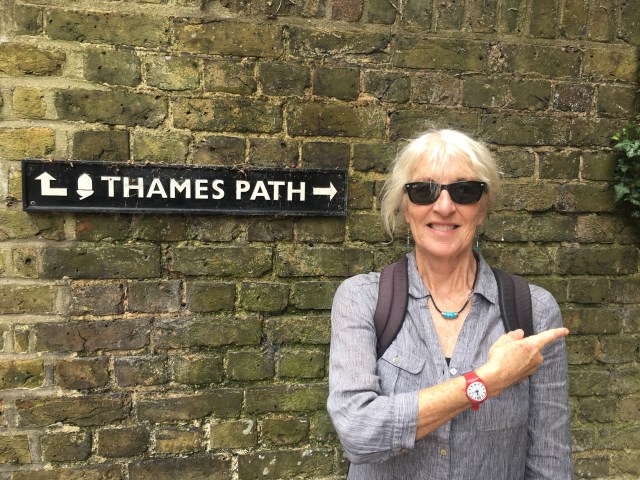
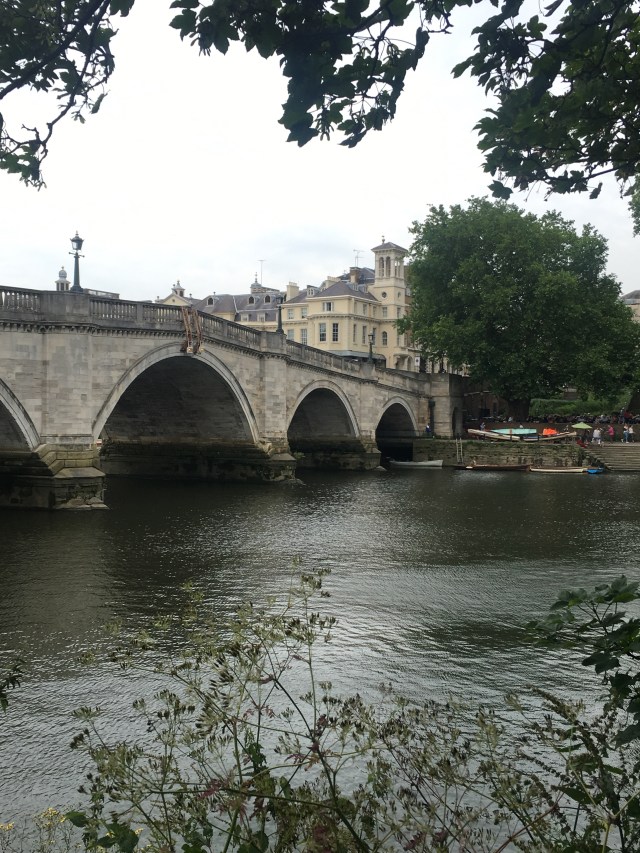
In Richmond on another day we walked through the old town centre to the Thames, following the towpath to Twickenham where we took a brief diversion onto Eel Pie Island, an artists’ enclave with a variety of studios occupying old boat houses. “Tat masquerading as art”, said Graham, or as Sue indelicately observed, “Country Women’s Association meets The Magic Roundabout” – not particularly inspiring, but the scenery en -route certainly was. Fields and woods, historic houses such as Ham House and Marble Hill House, riverside pubs, inns and rowing houses. And the view across the Thames Vale from Richmond Hill was worth the short climb.

Having seen all the majesty of grand houses and palaces of old, Sue came over all Downton Abbey, reaching back to some distant role in the recesses of her ancestors’ employment heritage. Or at least that was her excuse for commanding Graham to sup his ale quietly and straighten the buttons on his waistcoat (pronounced “west-cot”)

To add a little practical realism to our London experience, we met up with family; Graham’s ailing aunt and uncle from Kent, a couple of octogenarians who braved the train systems and London’s busy streets for the first time in two years to see us. And we saw friends; a lovely couple who live in London that we met in Argentina in 2015. It’s always a pleasure to reconnect with family and friends on their own turf and once again validates the importance of relationships, a recurring theme in our journey into a more authentic, minimalist lifestyle. 
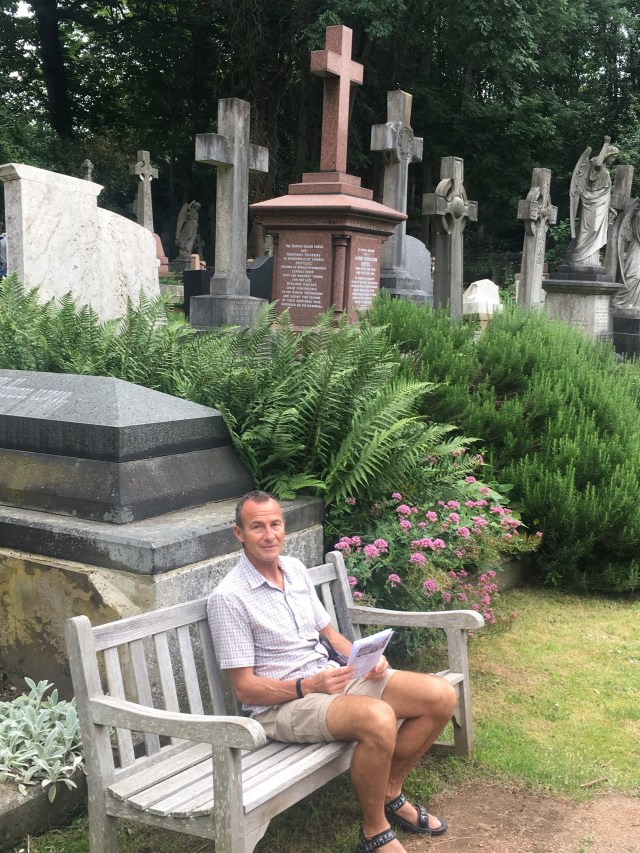
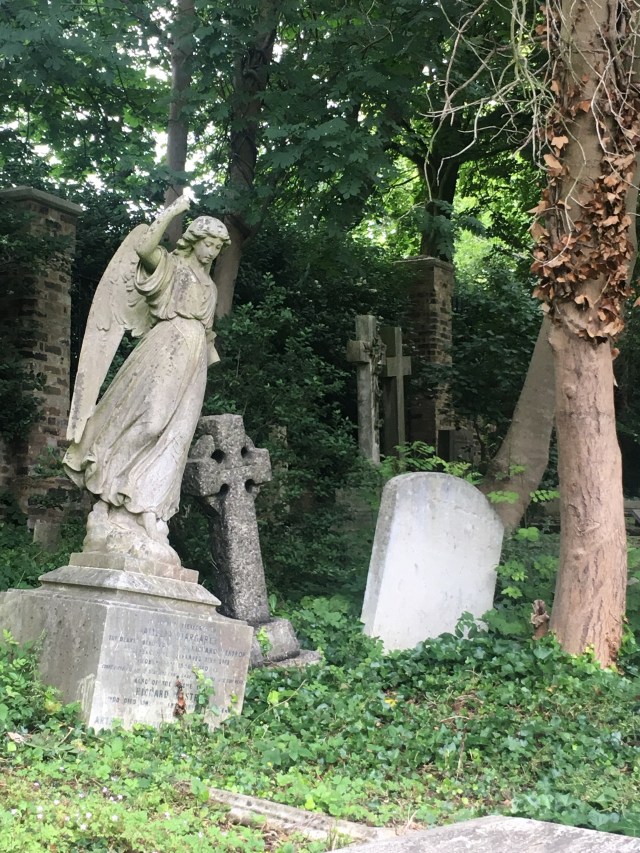
On our final day we wandered around Highgate Cemetery East, a crumbling, partly derelict Victorian garden cemetery and a serious tourist attraction for many. Here we saw the graves of legendary historical figures such as Karl Marx alongside more recent additions including writers George Eliot, Alan Sillitoe and Douglas Adams. A picnic lunch and amble around nearby Hampstead Heath, with a familiar walk back through the beautiful grandeur of Hampstead Village rounded off our brief London sojourn. 
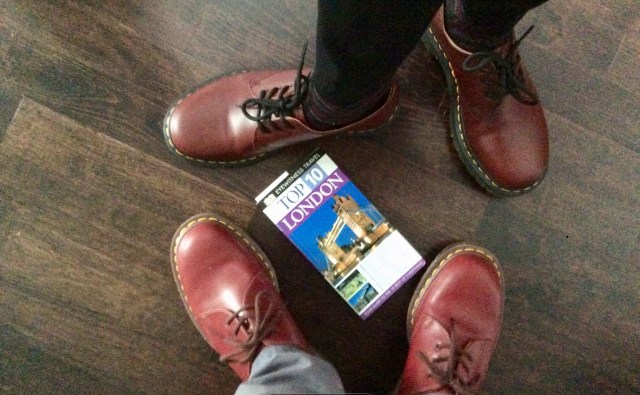
But before we leave London, a quick word about Dr Martens. We are both slightly fixated on this iconic British footwear company. It’s products come in wide range of designs and colour schemes. The classic boot has been gracing the feet of young and old alike, from all walks of life (pun intended) across the globe for decades. So naturally we found the Dr Martens shop in Shepherd’s Bush and treated ourselves to a very special pair each of retirement shoes. Did we need them? Most definitely not. Do they meet the requirements of our minimalist lifestyle? Absolutely! Every single pair of our growing collection of shoes and boots sparks joy when worn. Happiness, it seems, can be bought, sometimes (when they’re on sale) for as little as £39 a pair. 
Design a site like this with WordPress.com
Get started