Be yourself; Everyone else is already taken.
— Oscar Wilde.
Time to give ourselves the gift of a retirement – the opportunity to be together and to step into the world and explore it at our leisure.
Clapmacks finally retire and set out once more to explore the world.
Be yourself; Everyone else is already taken.
— Oscar Wilde.
Time to give ourselves the gift of a retirement – the opportunity to be together and to step into the world and explore it at our leisure.
Let’s make one thing clear from the start – we are not cruisers. By cruisers we mean those people whose sole purpose in life seems to be going on ocean bound cruises to every corner of the world. Each waking breath when not aboard ship is taken up with planning the next cruise: which cabin to choose; what to wear to Captain’s Night; whether to take the standard or premium drinks package; which lanyard to use to show off the platinum cruise card to best advantage. Once on board, they regale fellow passengers with tales of derring-do from previous cruise adventures whilst craftily manoeuvring themselves to be first in line for the show, breakfast buffet, cocktail hour etc. Well we’re not like that.
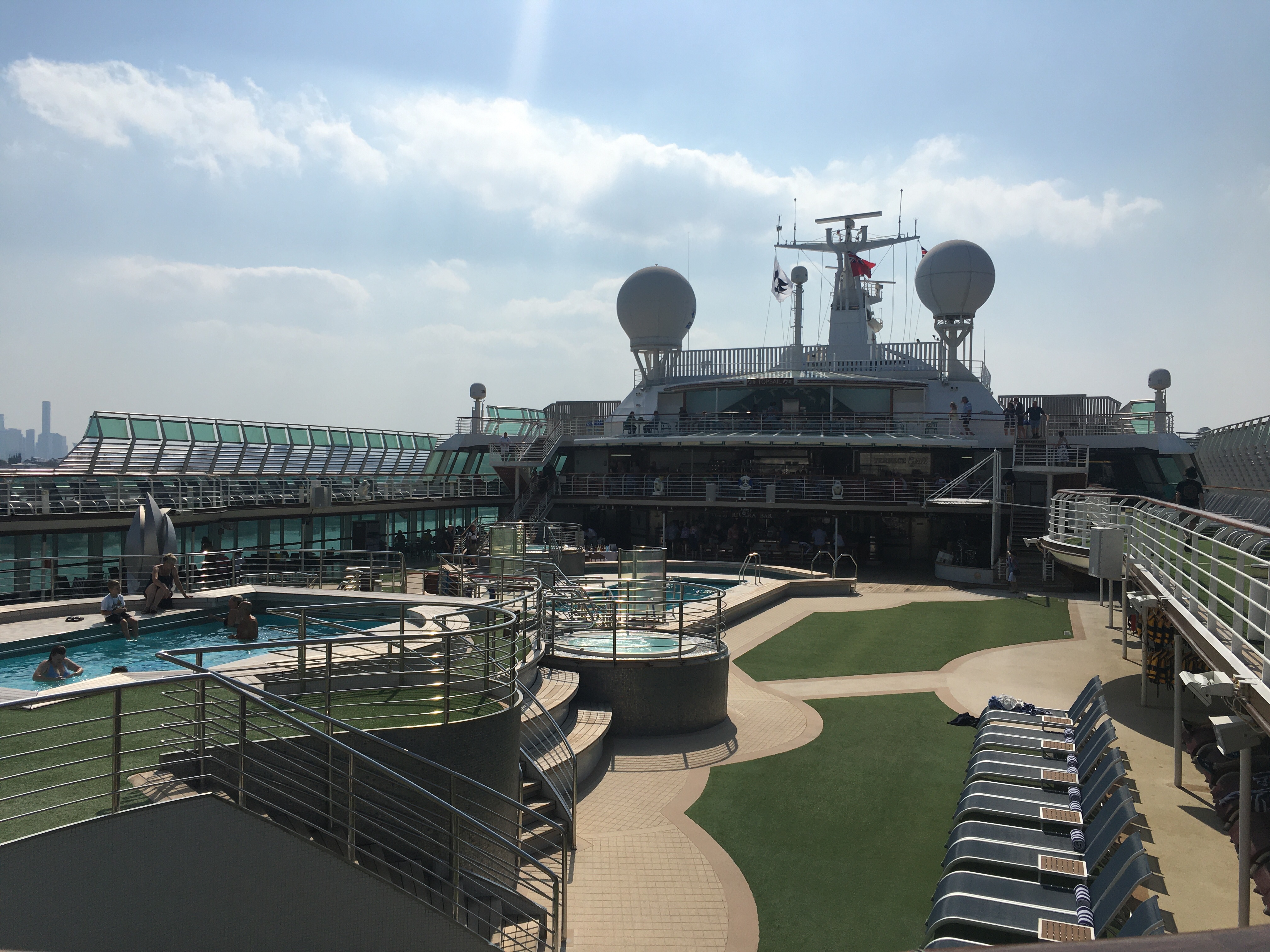
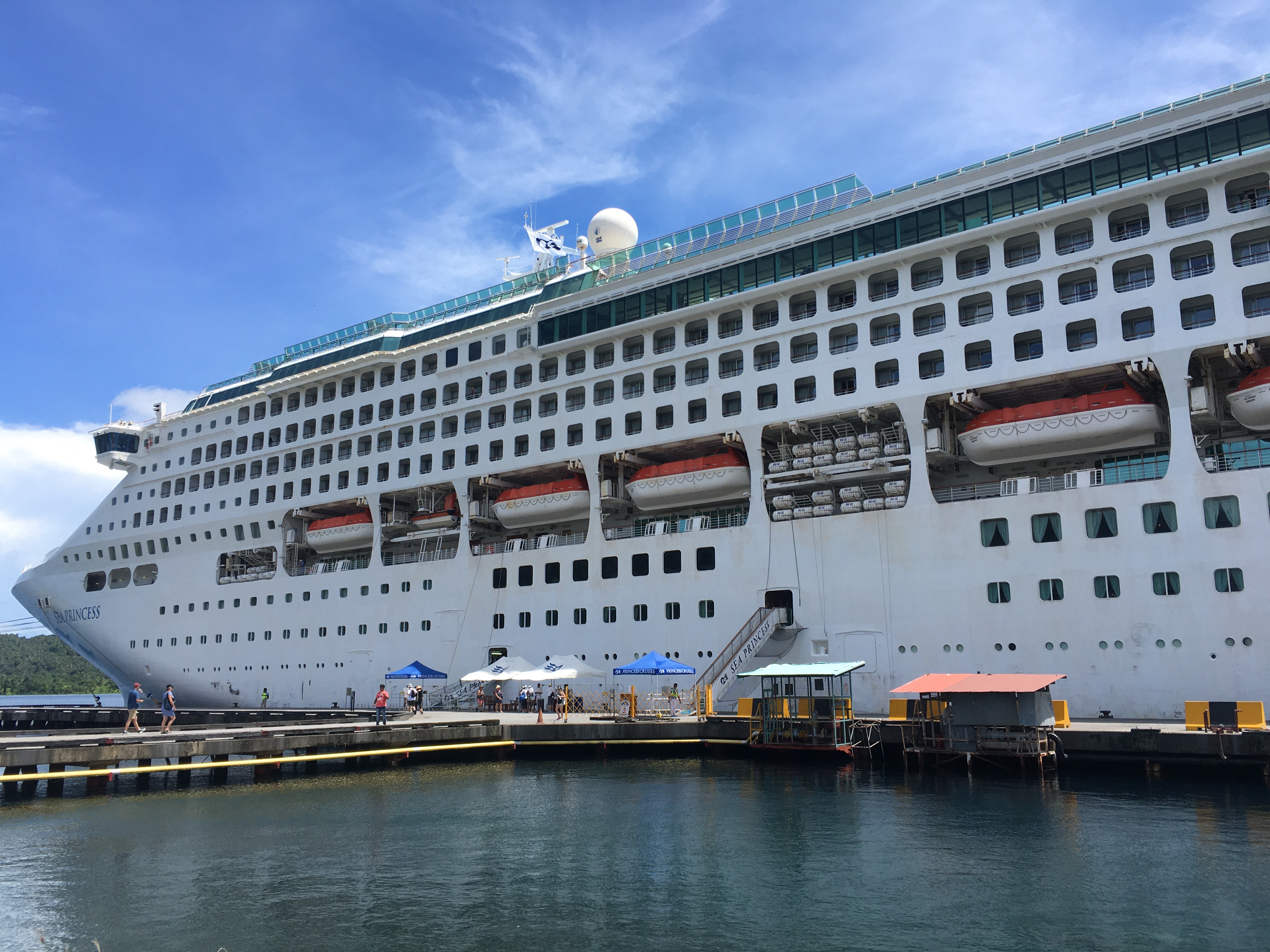
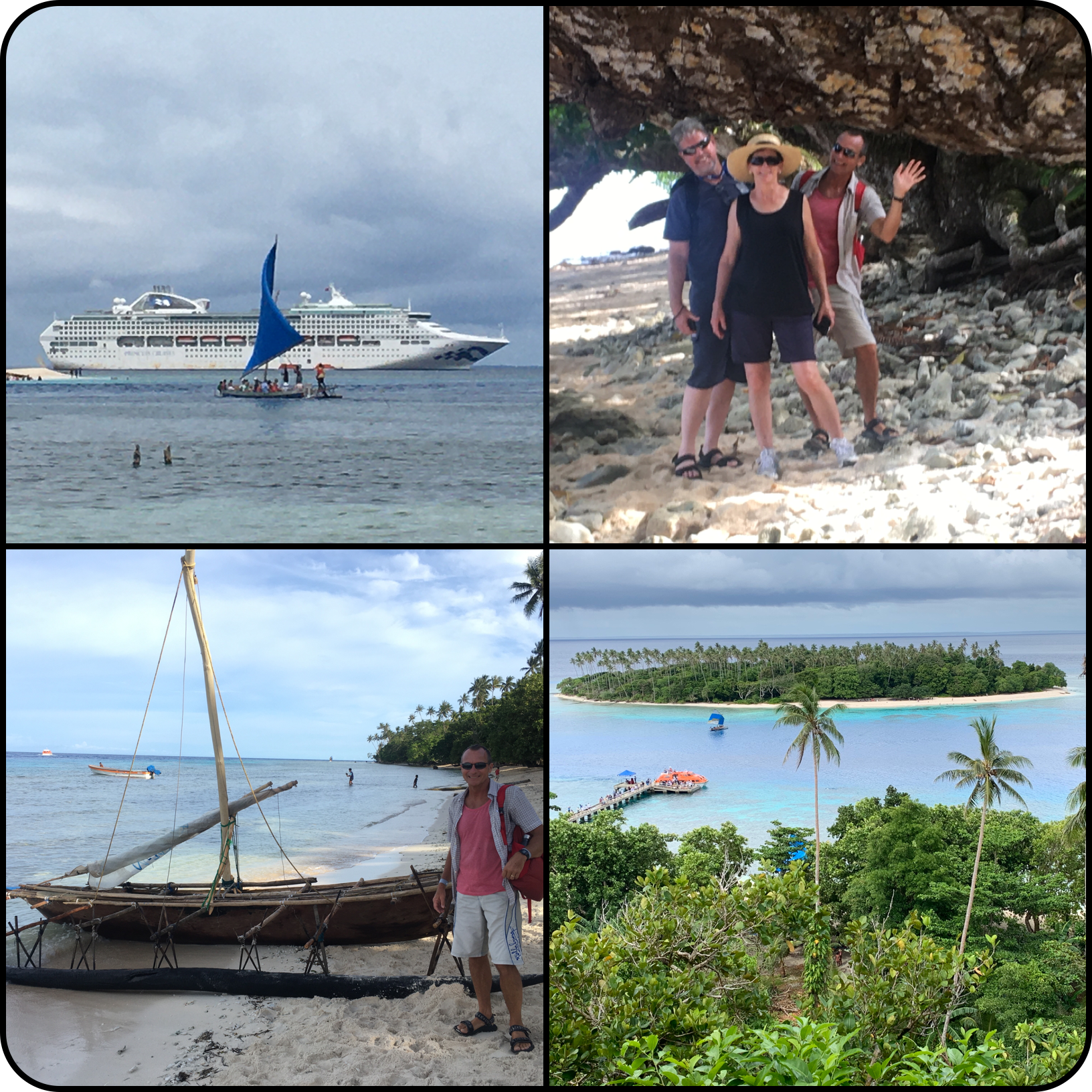
Having said all that, one bright sunny December afternoon, we found ourselves on the deck of the Sea Princess, a 260m long, 77,500 ton, two thousand plus passenger cruise ship, steaming out of Brisbane Harbour for what would be our fourth cruise ship experience. How did that happen?
Our first cruise was in 2015 when, during a trip in South Patagonia, we struck a deal on a four-day expedition cruise around Cape Horn and through the Chilean coastal fjords. Following this in the same year we joined two couples, close friends from WA, in Dover for a fortnight cruising the North Sea to Iceland. Emboldened by these two experimental forays into the world of cruising the high seas, having greatly enjoyed both adventures, we undertook the mammoth relocation cruise in 2018 from Fremantle to Lisbon, a 39-day ocean going journey aboard a small traditional cruise vessel carrying 560 passengers.
Things that drew us to cruises primarily were the places they visited. We would never have gone to islands such as Cape Horn, The Faroes, Reunion, St Helena had it not been for the cruises we took. This, coupled with the gentle, relaxed pace of sea days where the only choices required are what to order off the extensive gourmet menu in the dining room, where to plonk the poolside towel for maximum sun/shade (according to preference and weather conditions) and what book to read next met our increasing need for a slow-living lifestyle as we transitioned to retirement. Also, cruising with long-time friends proved most enjoyable.
When Kath and Don, two of our cruise buddies from the Iceland trip, suggested an intriguing 11-day cruise from Brisbane to the Eastern Islands of Papua New Guinea some time ago, we were naturally interested. The timing worked well as Sue had by then retired and we were home from our Europe and South Australia trips and we had yet to explore any part of Queensland. And that is how we found ourselves once more in a cruise terminal with Kath and Don on 8 December waiting to board the Sea Princess, our second Princess Line cruise.
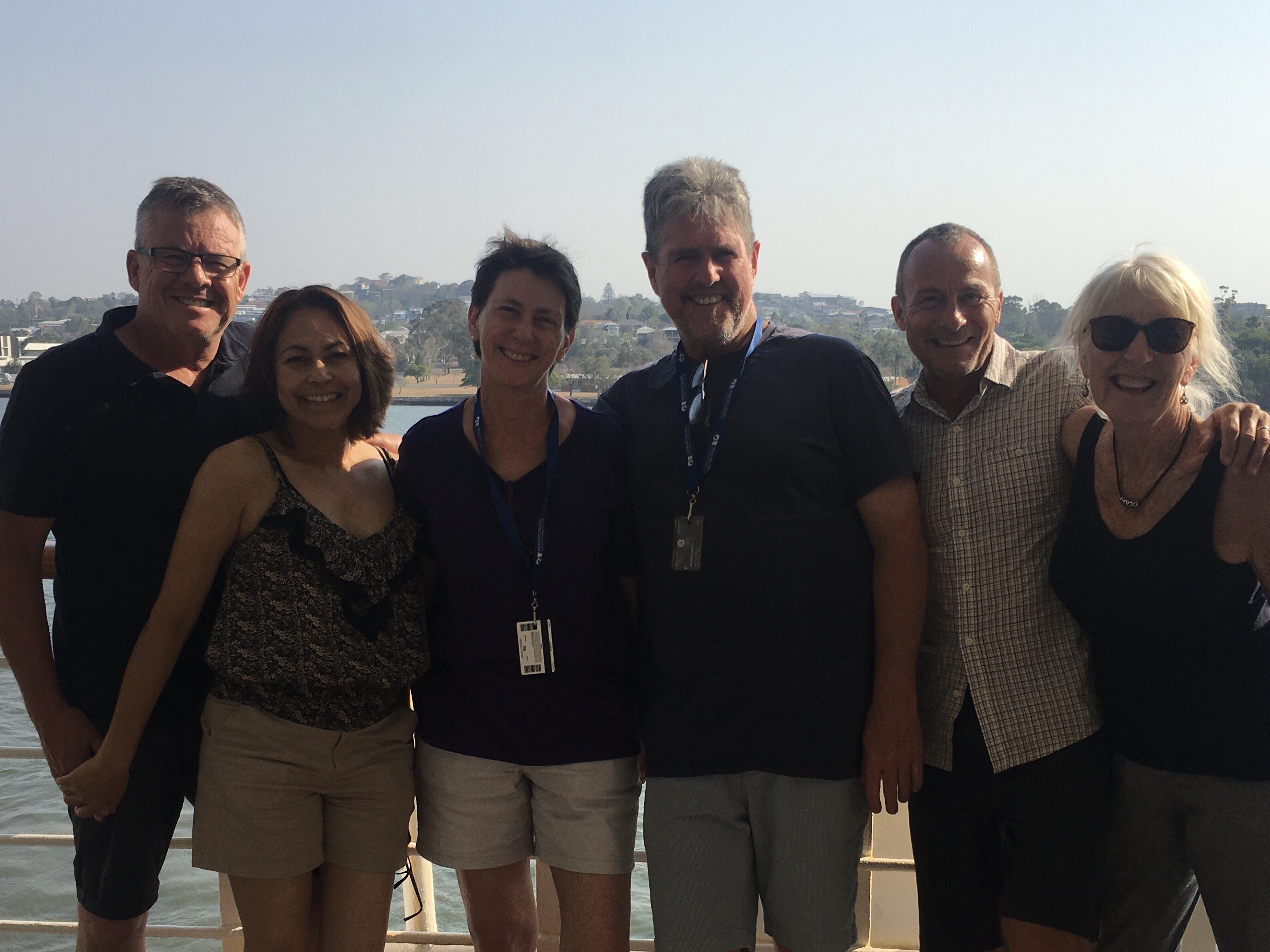
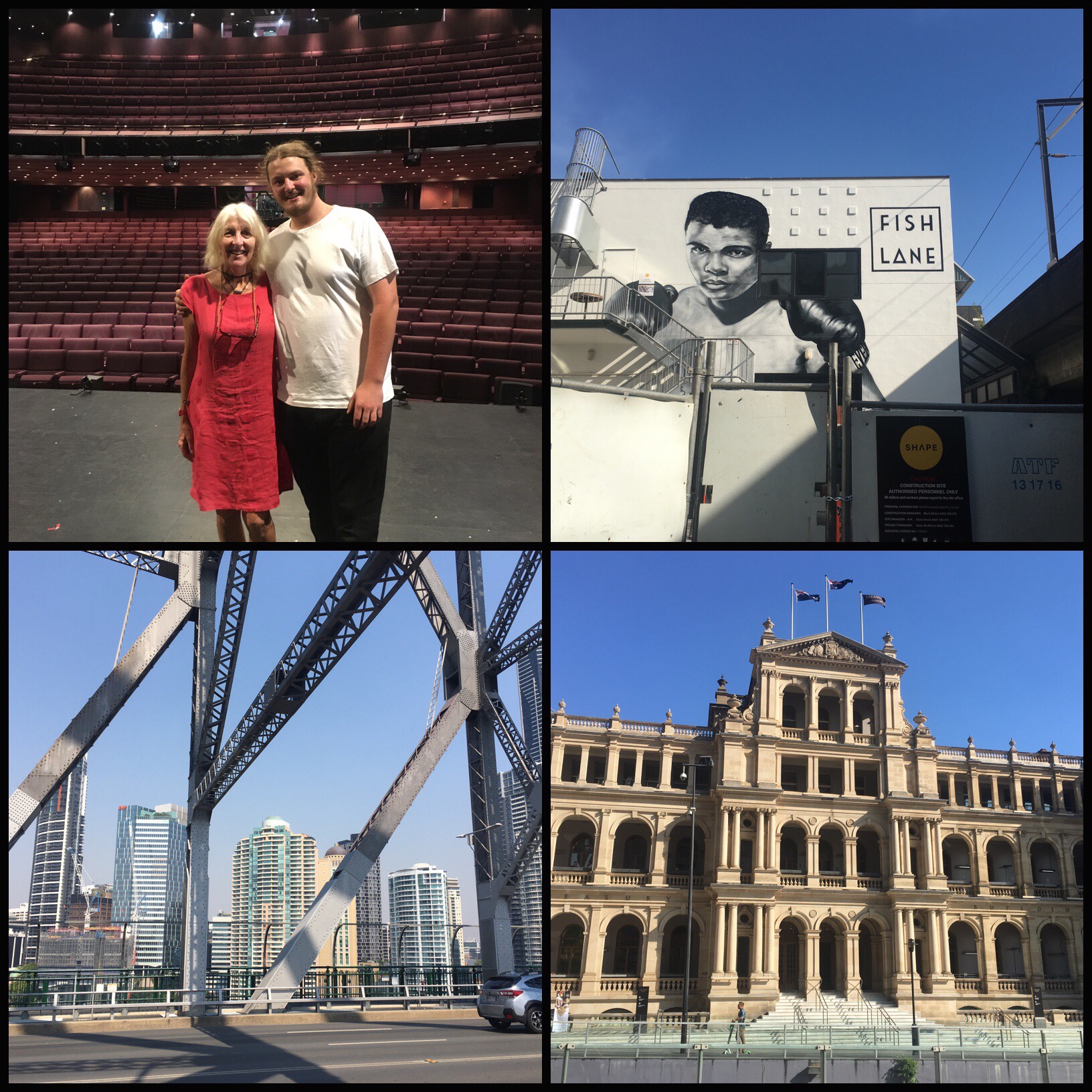
The intrepid foursome were joined on this occasion by Corinna and Paul, friends of Kath and Don from Pemberton. Both couples run luxury accommodation businesses in Pemberton – Kath and Don have Marri House and Corinna and Paul have Big Brook Cottages, so we were fortunate that they were able to get away for a break ahead of the crazy Christmas rush. We all met up for breakfast at Point Hotel in Kangaroo Point where we had been camped for the preceding days as we explored Brisbane City. Later that afternoon we steamed away from the harbour together on board our floating hotel, downstream along the Brisbane River and out to sea.
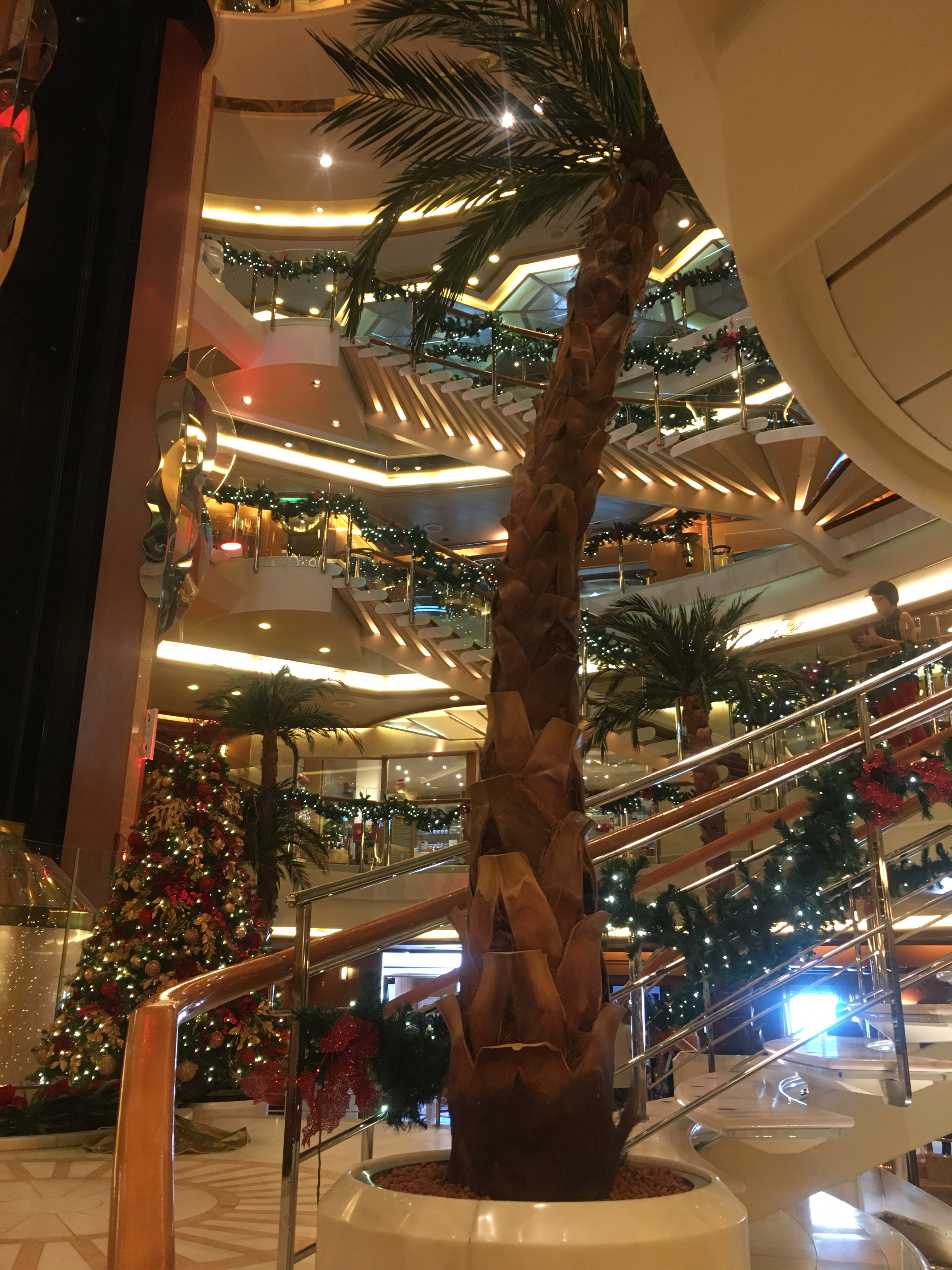
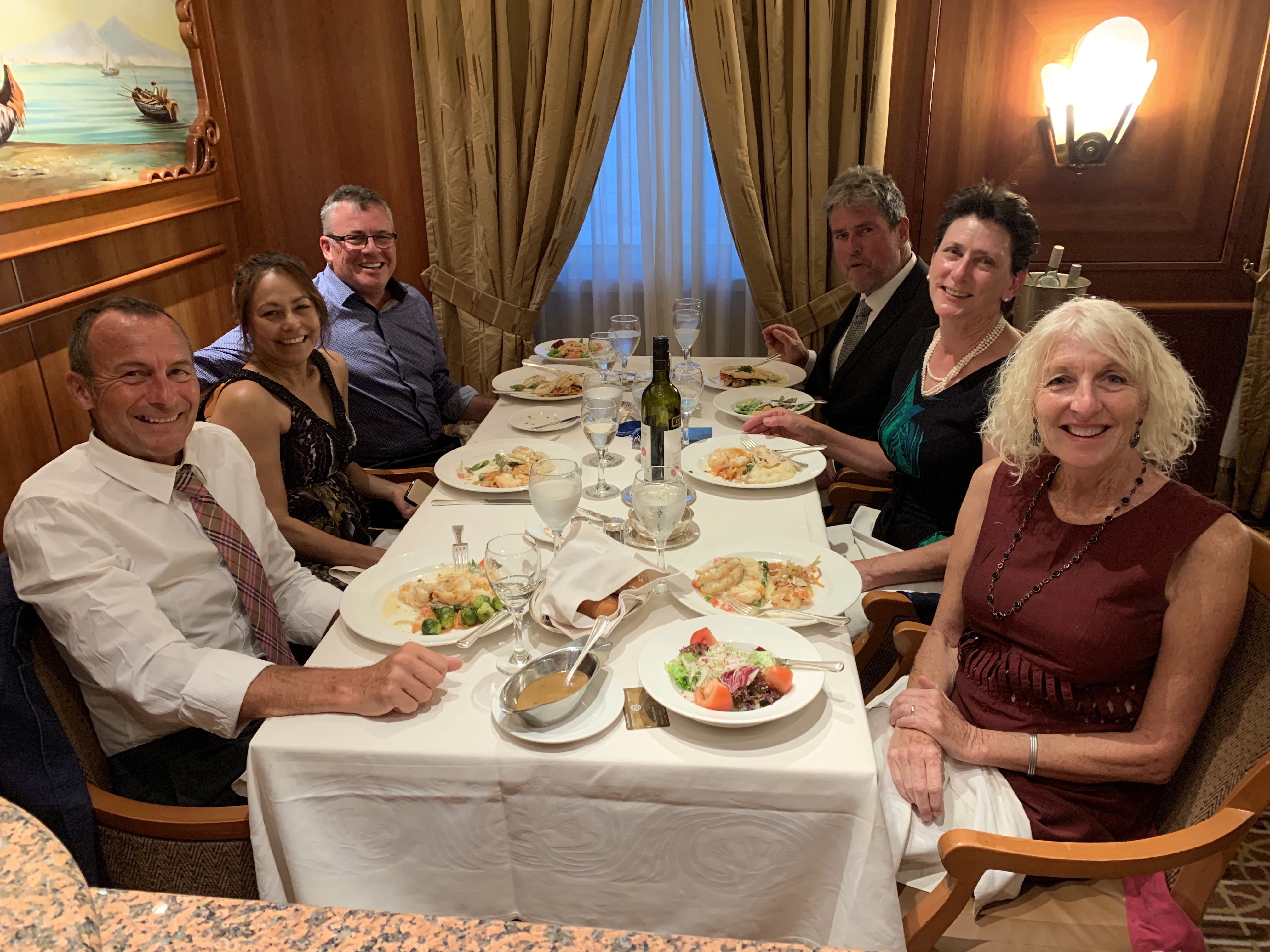
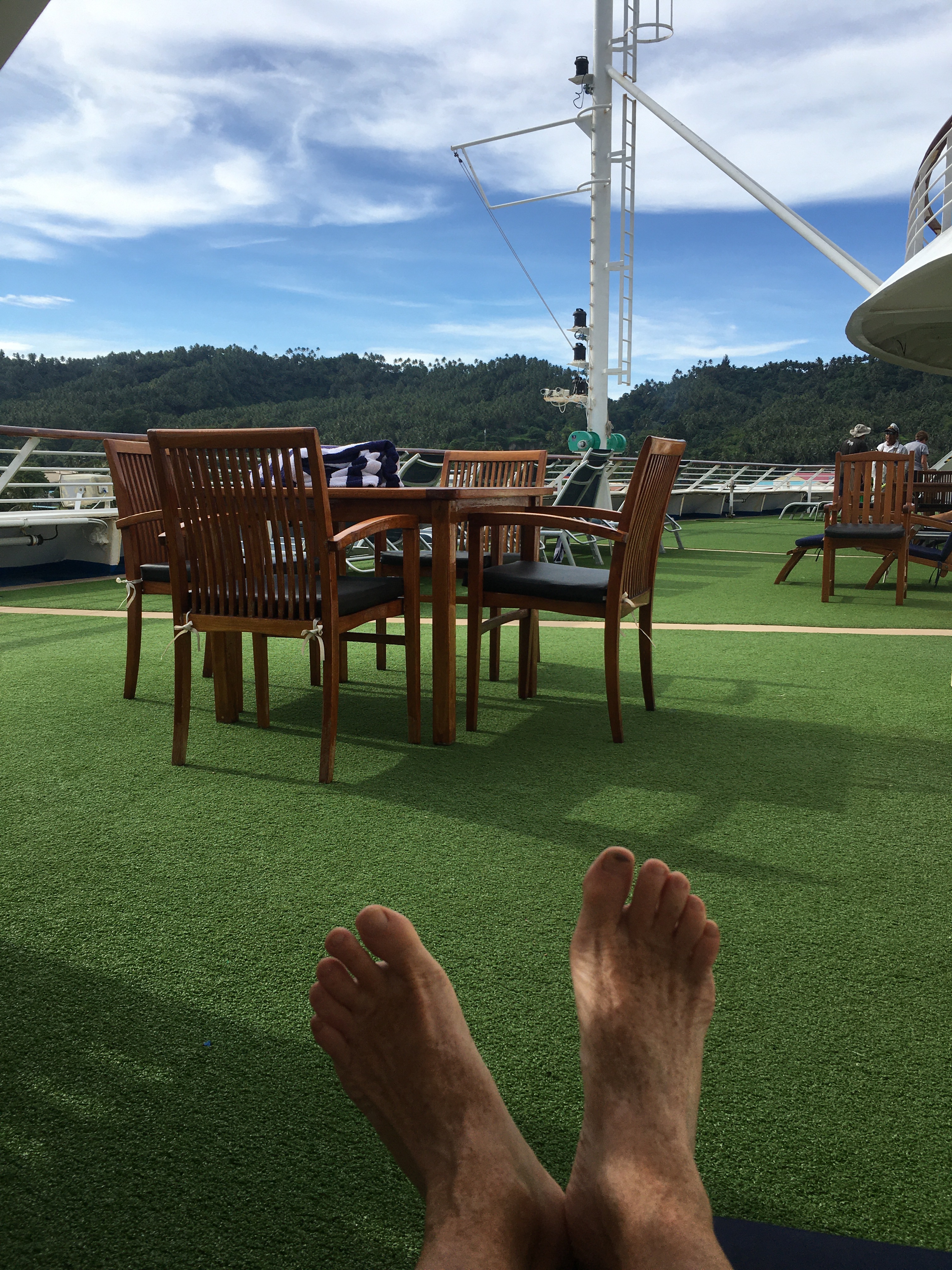
The first two days were sea days, sailing steadily north towards the tropical waters off the coast of Papua New Guinea. This gave us the opportunity to hang out with our friends, get to know Corinna and Paul (who we had only met briefly once before), learn the layout of the ship (11 days later and Captain Compass, aka Graham, was still getting confused between decks, forward and aft), lounge around the pool and feast in princely fashion at the a la carte dining room. The food and excellent service were in fact highlights for us, with plenty of fish options to satisfy our pescatarian preference. It’s very easy to judge disparagingly the cohort of grossly overweight passengers who drag their sagging bodies relentlessly from one meal to the next five times a day but the lure of high quality food on the Sea Princess is very seductive. According to some research, the average cruiser increases their body weight by 1.5kg per week while on a cruise. We were determined to defy this statistic and made sure we paced the deck and hit the gym daily. By this strategy we almost achieved our goal – but in the end the dining room won.
The Sea Princess was the largest cruise ship we had travelled on to date, with 14 decks and over 2,000 passengers. This came with some challenges, such as overcrowded lifts (that we assiduously avoided), not enough loungers around the pool (we often sat at the rear deck) and insufficient seating for the evening shows (we only attended three of the eight on offer). These minor annoyances were overcome by the sheer size of the ship that enabled us to find quiet places, principally by steering clear of the buffet area, and the range of people accompanying us on our journey. As always when travelling, we enjoyed meeting and chatting with fellow passengers. Of note are Karen and Adam, an English couple who were into their 13th month of a 16 month world adventure, including African safaris that piqued our interest. We met up with them again in Perth over Christmas after the cruise and will most likely see them in the future back in the UK.
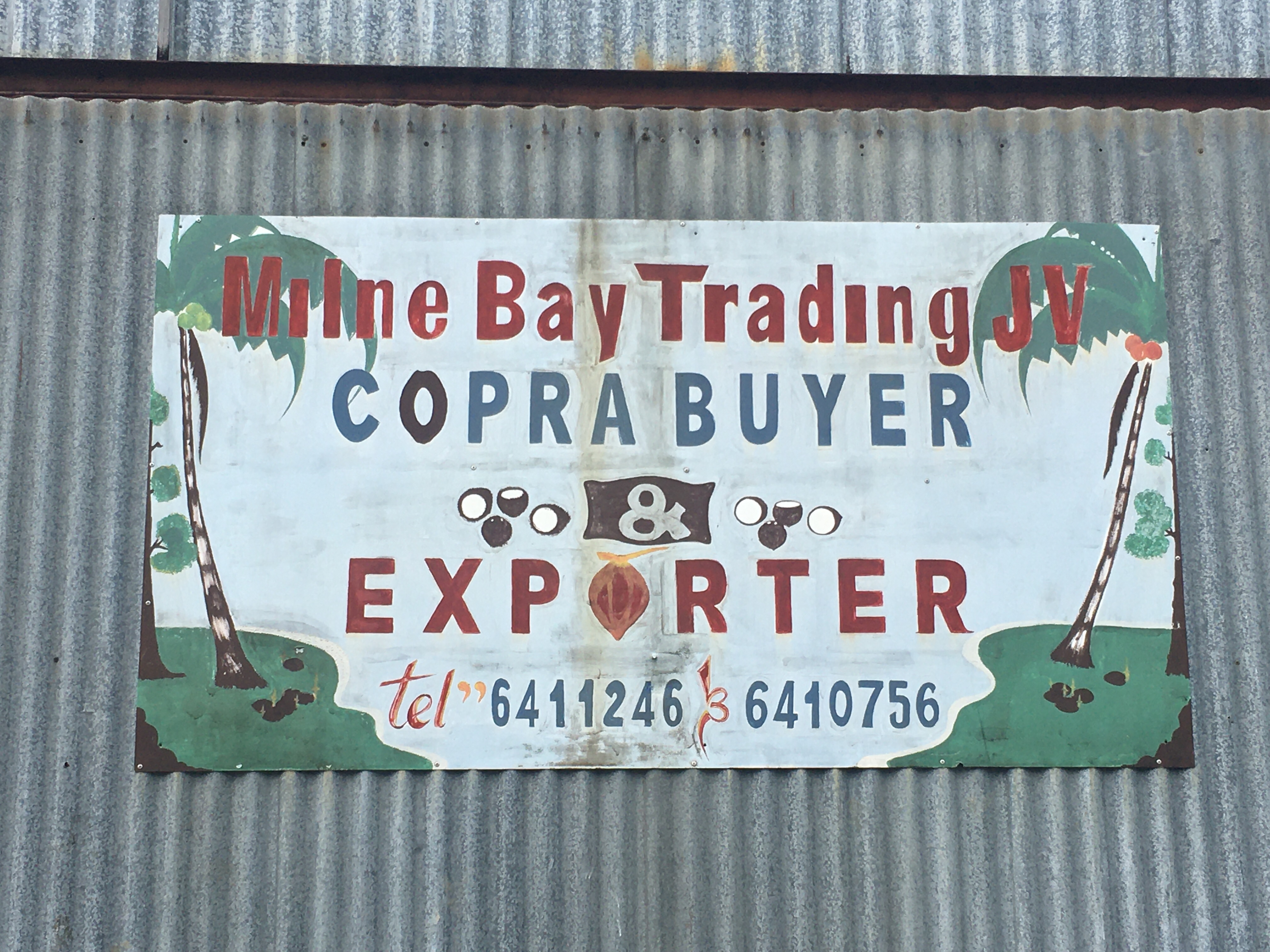
After two days at sea we entered the Solomon Sea on the morning of 11 December, docking at Alotau in Milne Bay Province on mainland PNG. Steeped in military history, Milne Bay was the site of a major battle in WWII where the allied forces repelled the advancing Japanese forces. This was a major victory that turned the tide of war in the Pacific and ensured the safety and freedom of Australasia. Other than that piece of historical interest, Alotau itself holds little to attract visitors. It’s essentially a scruffy, rough port town with a rubbish problem and evidence of lawlessness in the heightened security surrounding the port, civic buildings, larger houses and the only resort alongside the port. The local people seemed friendly enough but there was a definite undertone of menace, such that we were glad to leave, looking forward to a more gentle, traditional welcome on the smaller islands off the coast.
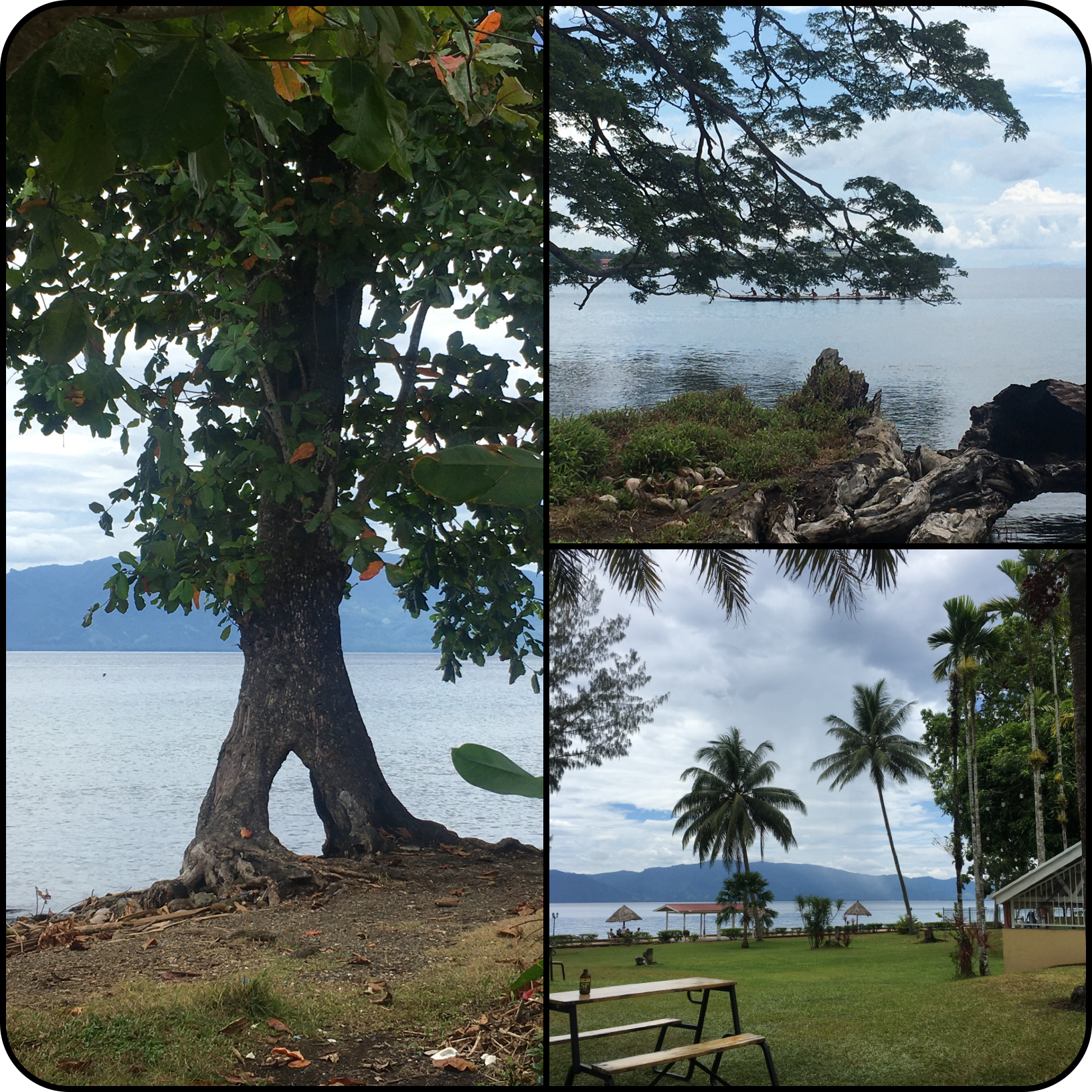
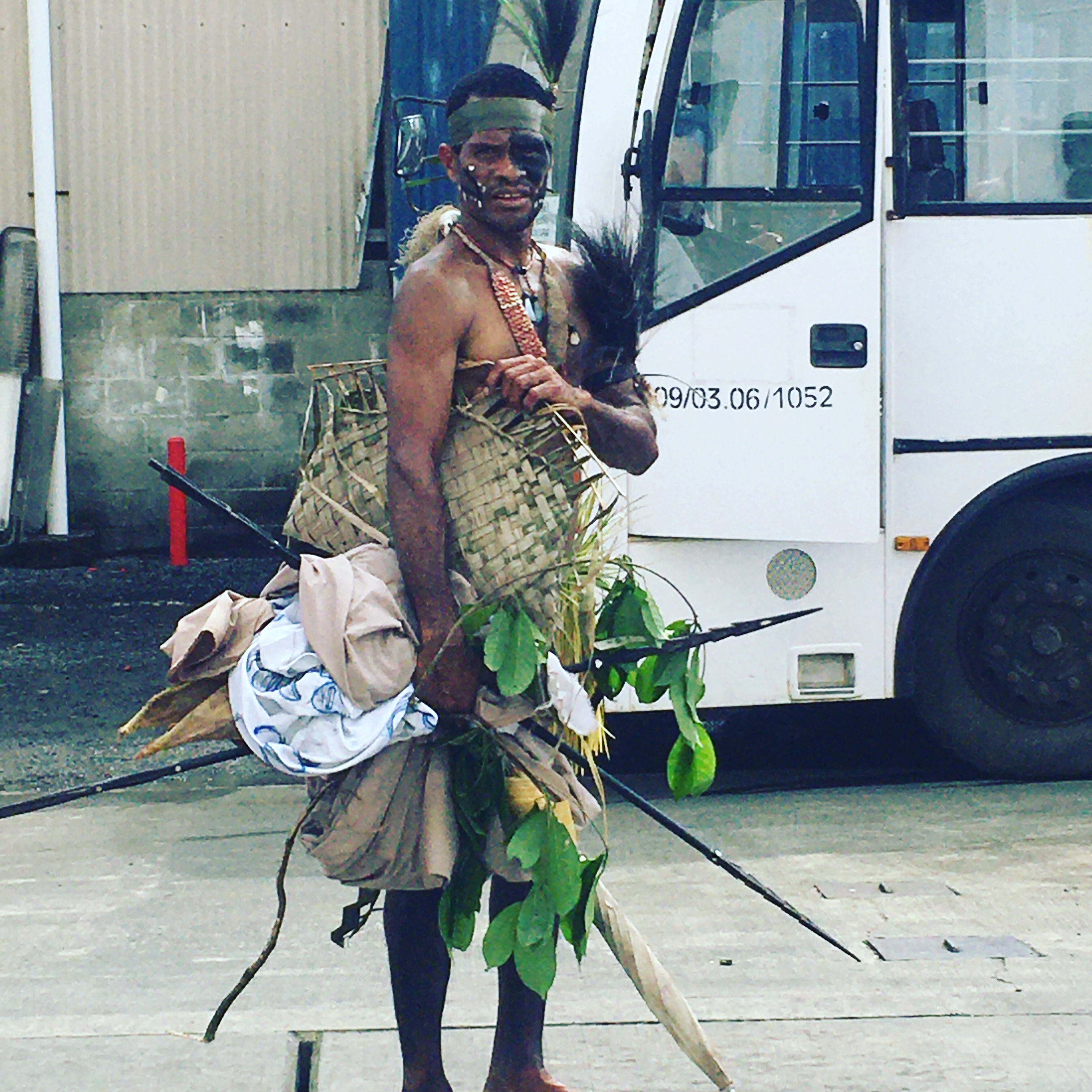
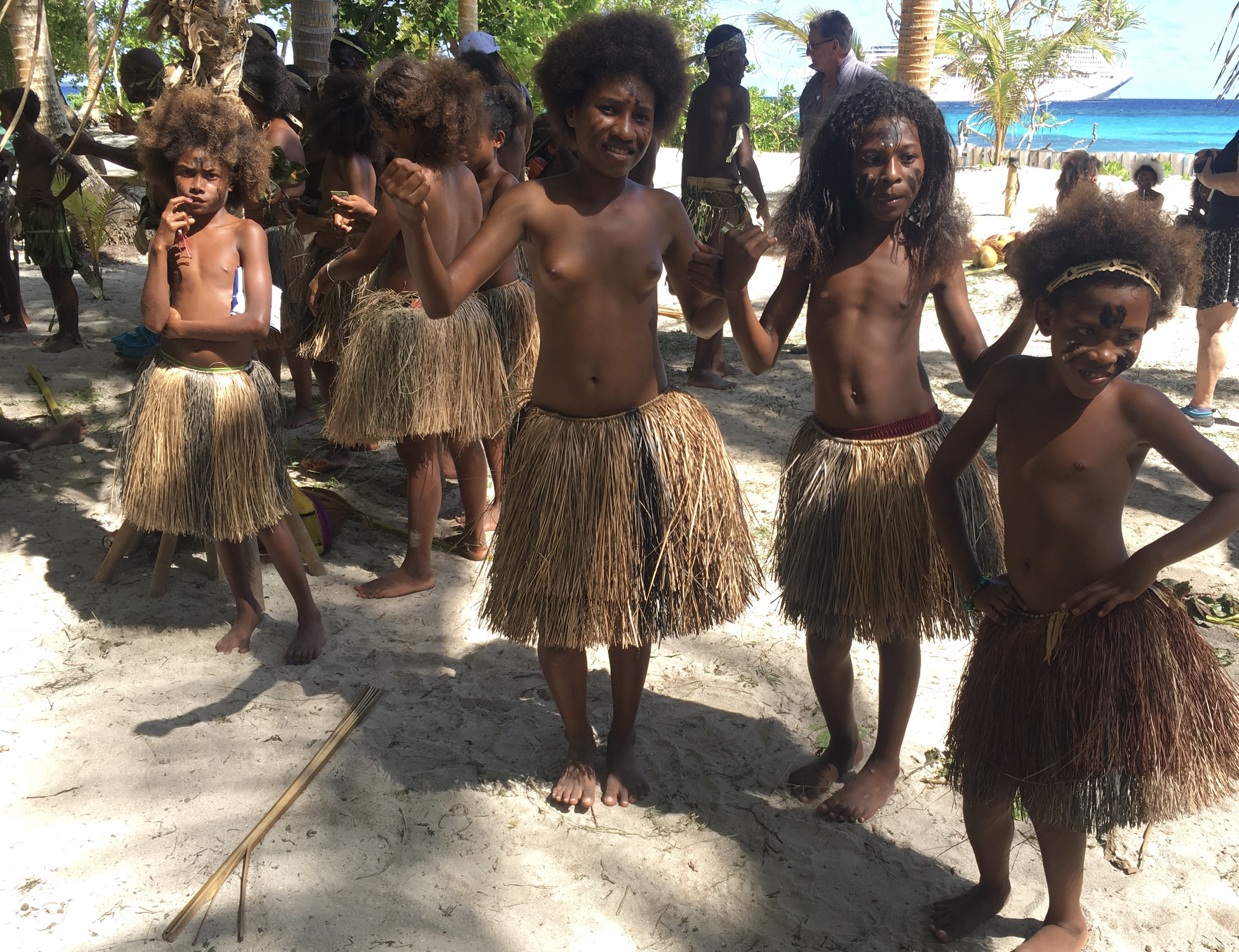
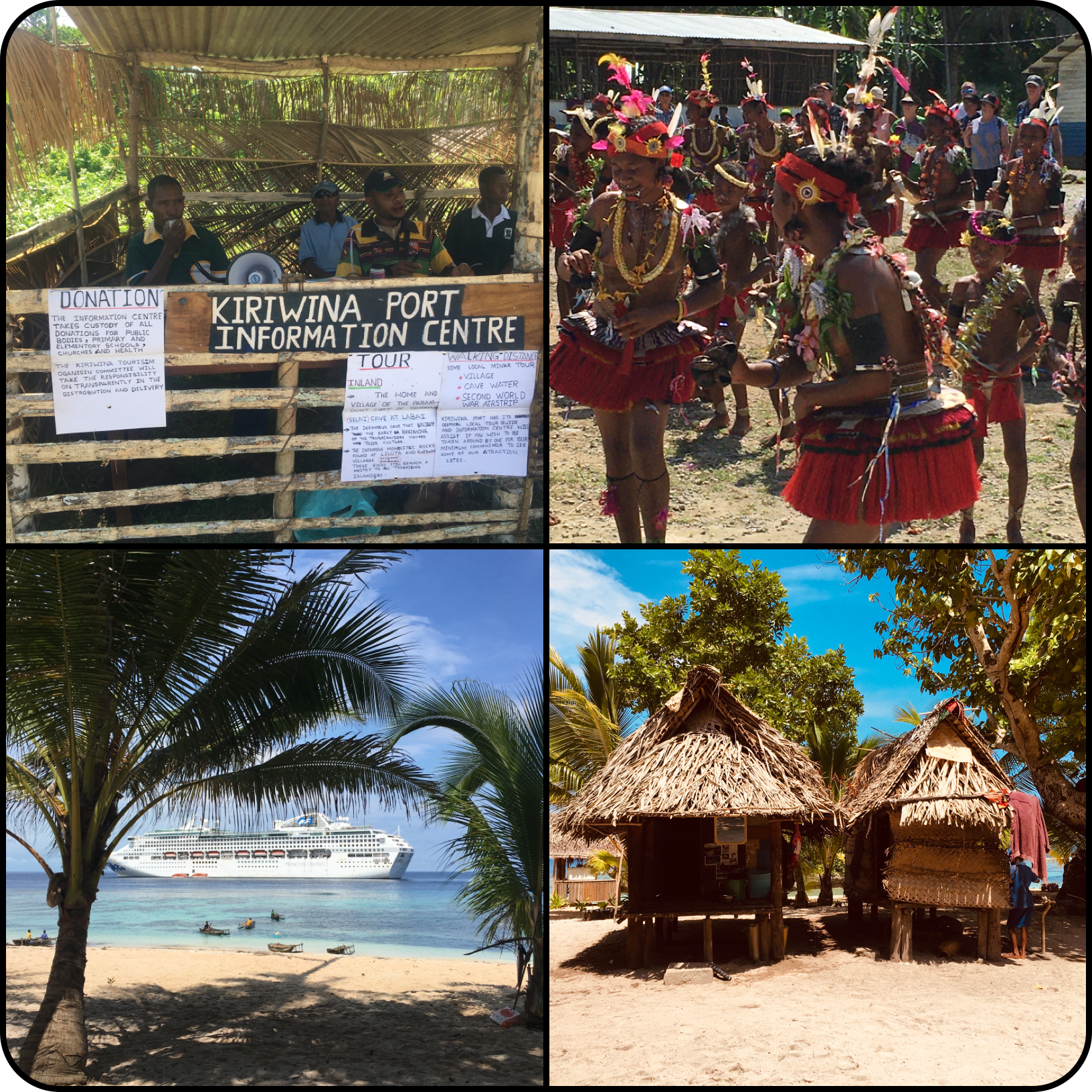
At Kitava the following day we had our first taste of typical PNG Island life. Here on this large, tropical island, white sand beaches fringed with lush rainforest and skirted by coral reefs, local villagers lined the beachfront where the tenders from the ship ferried passengers by the hundreds. We were treated to cultural music and dance performances by eager school children dressed in colourful traditional costumes and wearing smiles to melt your heart. Children from schools all over the island had converged at the beach around the tiny jetty, keen to show off their musical prowess and raise money for their schools. Local stalls were set up, showcasing and selling fine examples of wood carving with mother-of-pearl inlay that typifies the local craft.
The coral reef, which runs almost to the water’s edge along the beach, is unprotected. We attempted to snorkel from the beach but felt very uncomfortable walking over coral in the shallows to reach deeper water and quickly gave up. In the end we simply sat on the beach, having explored the arts and craft stalls and watched the children’s performances, soaking up the magnificent, unspoilt scenery under the tropical sun.
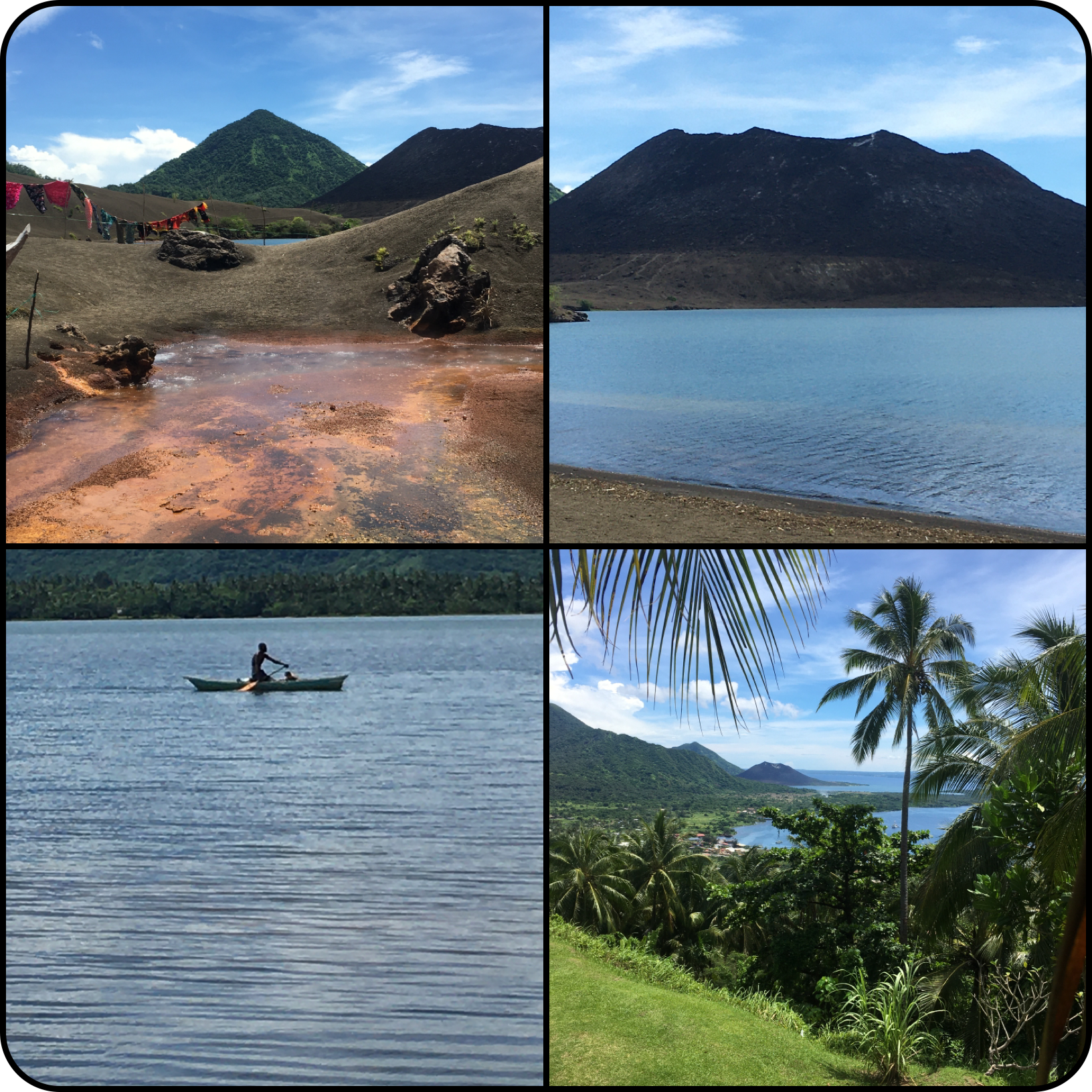
From Kitava we cruised further north to Rabaul on the eastern tip of East New Britain Province. Rabaul was the provincial capital and the most important settlement in the province until 1994 when it was destroyed by a volcano in the harbour, killing 5,000 people. From this tragedy a rebuilding effort has resulted in a cute little port side town with a thriving market (selling, among other things, betel, plaited ropes of tobacco and flour sausages to feed local habits), a volcanology centre, a new resort and a competitive tourist trade.
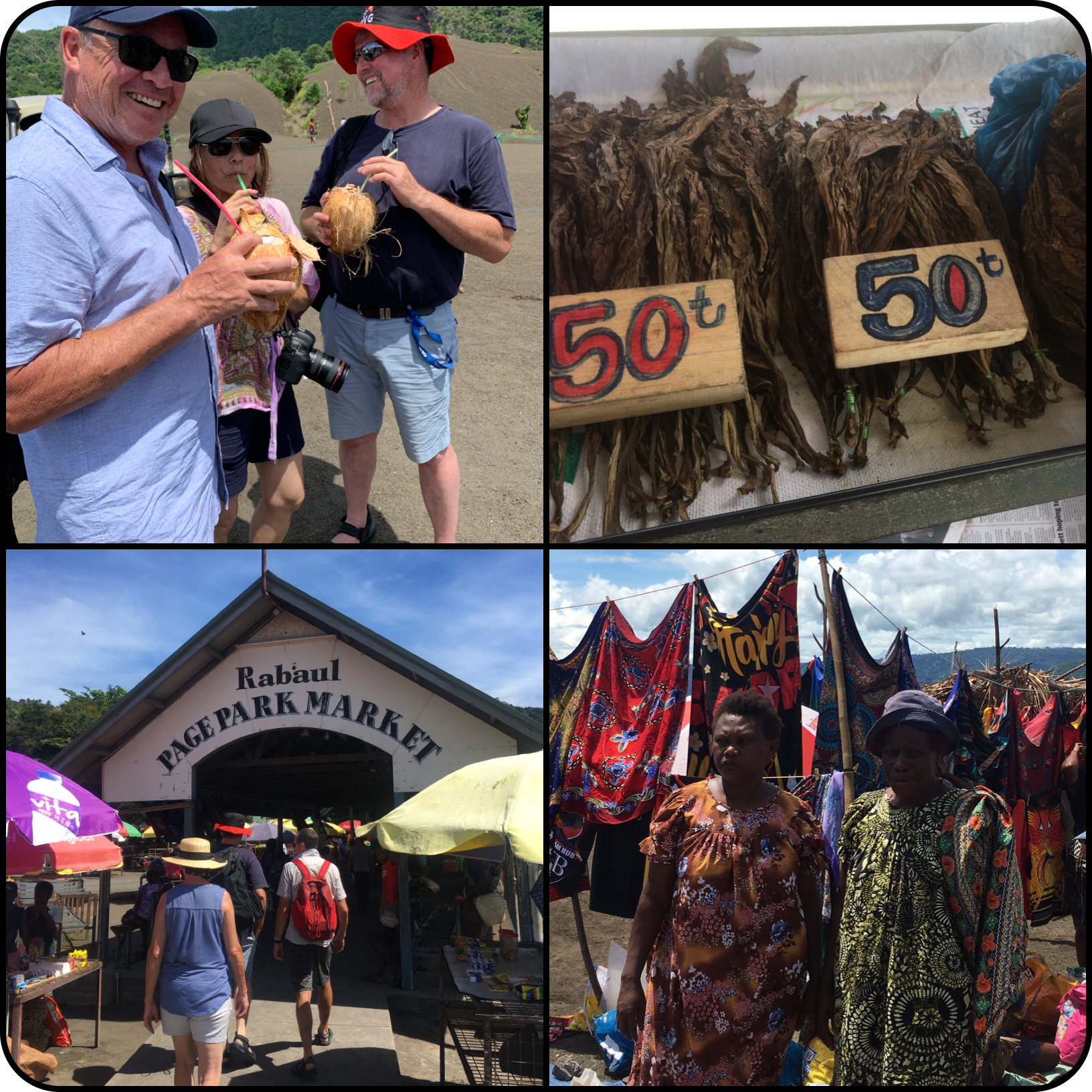
We negotiated with local transport vendors before setting off in the back of an open sided truck to see the local attractions of the volcanology centre up the hillside with stunning views across the bay, the hot springs and the burnt out caldera of the 1994 volcano eruption. At $10 each, our mini tour mirrored the same excursion that other passengers had paid $90 each for, from the choices of shore excursions offered by the ship. A tip – local tours are often significantly cheaper than cruise company tours!
Rabaul was the furthest north we ventured in the Solomon Sea before heading back to Milne Bay Province and tiny Kiriwina Island, close to Kitava. Much like Kitava but on a smaller scale, we were treated once again to the beautiful smiling faces of local musicians and dancers as we wandered along white sand beaches and swam in the crystal clear waters out to the drop-off. Here the colourful coral reef was alive with tropical fish displaying bright neon colours in a range of sizes and shapes. The drop-off was a long way out from the beach and without fins, the distance was too challenging for Sue, but Graham, along with Kath and Don, found the experience well worth the effort. When not swimming, we walked into the little village set back from the beach. Simple wooden stilt huts reflect the basic agrarian lifestyle of the villagers whose culture and farming practises seem unchanged through time.
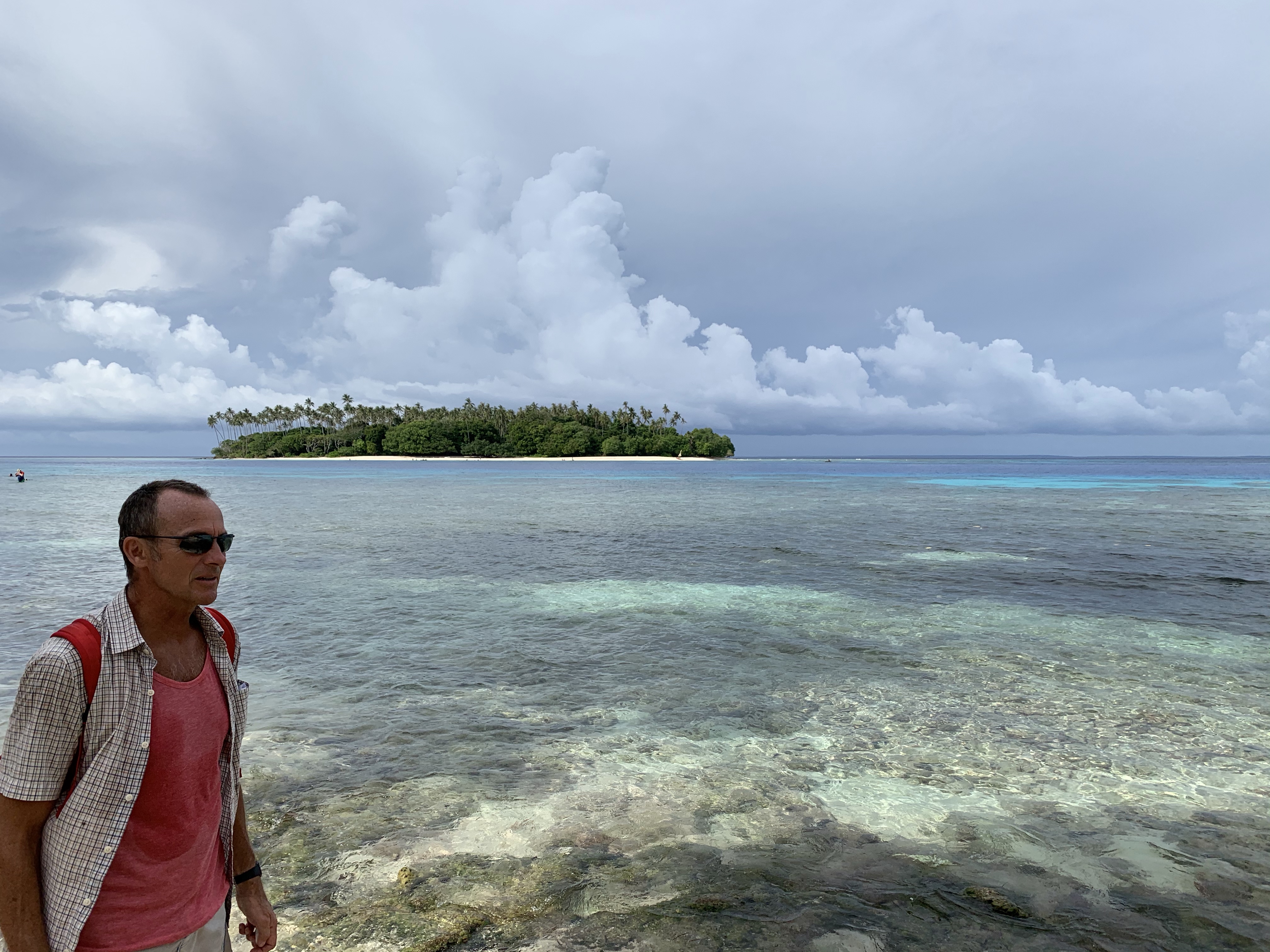
The final stop on our great PNG cruise adventure was Conflict Island. This is an atoll of small islands, privately owned by an Australian billionaire, we were informed by the ship’s captain. The surrounding ocean is a marine park and Conflict Island contains a turtle hatchery that protects and encourages the preservation of this gracious sea creature. It was our favourite destination.
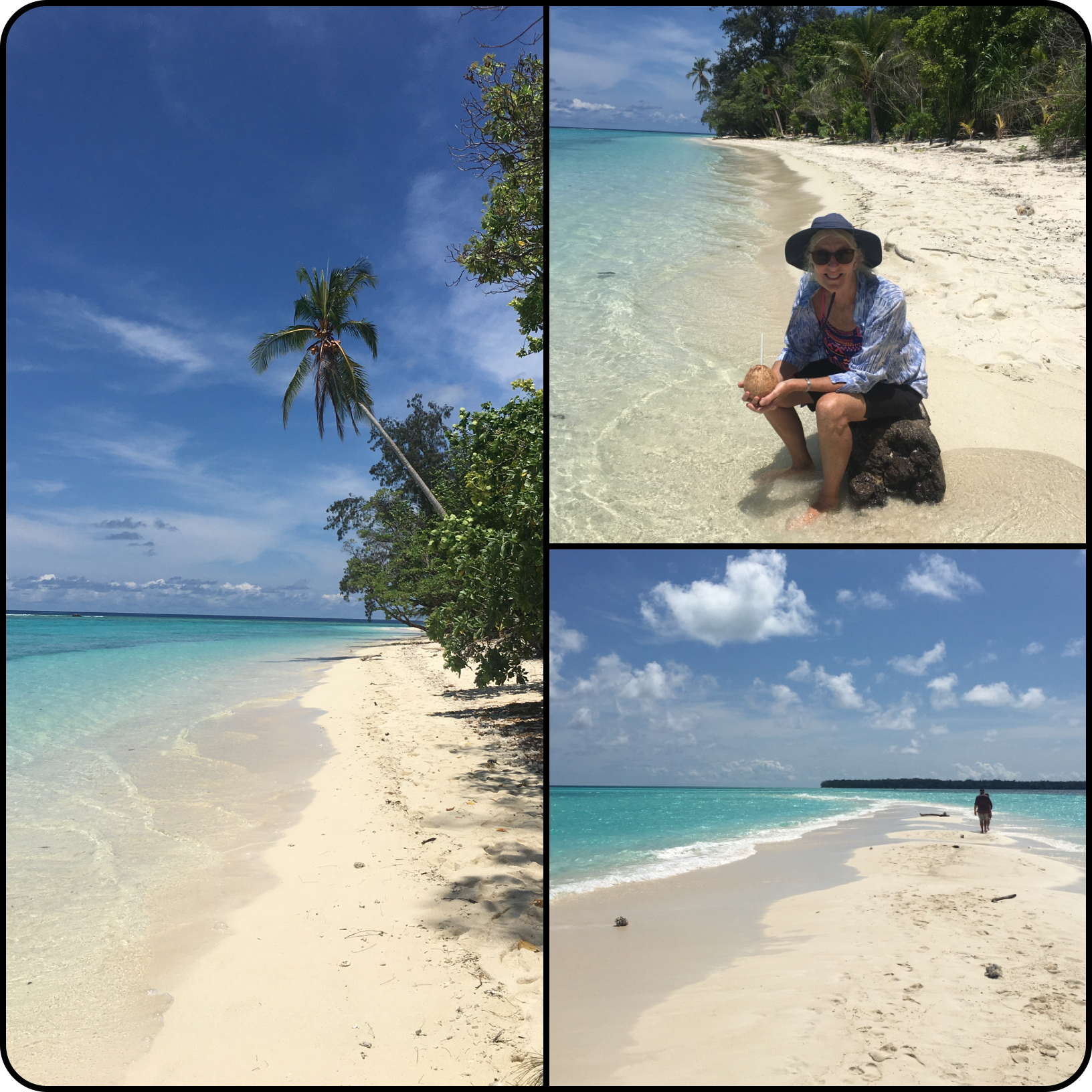
Pristine coastline and reef with beautiful beaches running around the perimeter and idyllic views to classical palm fringed tropical islands nearby. On this, our final foray into the tropical coral waters, Sue braved the swim out out to the drop-off and together we snorkelled along the reef amongst schools of impossibly colourful fish, over blooming outcrops of various corals, sighting reef sharks and sea turtles along the way. It was magical and totally beguiling, so much so that Sue completely overcame her anxiety at being in deep waters 80m from shore and had to be coaxed back in before she developed gills.
Erstwhile fears of the deep aside, Sue has sea water in her veins. Her Dad was a merchant seaman in his early days and her maternal grandfather was on the London docks for most of his working life. Being near the water (lakes, rivers, oceans, muddy puddles) soothes her soul and standing on the deck of a ship with nothing but the sea to the horizon in every direction is her idea of heaven. Graham, on the other hand, suffers from motion sickness. As a child he couldn’t have bath toys to accompany his weekly bath-time in case they created nausea inducing ripples. Not much has changed since then. So it’s with great delight for Sue, and relief for Graham, that he’s coped so well on the four cruises we have undertaken to date. Perhaps the drugs and little elastic pressure point bracelets permanently worn whilst on board have done the trick. Whatever the reason, the six of us disembarked at Brisbane quay having thoroughly enjoyed our PNG cruise together. In fact, our sights are now set on a 14-day cruise in 2021 with Kath and Don, and possibly Corinna and Paul as well, to Greenland, for which we have paid a deposit. But, as mentioned to start with, we are not cruisers. Hmm…
Postscript:
Following such a lovely time on board with our Pemby buddies, we joined them in Pemberton for New Year, along with Barb and Dave who were with us in 2015 on the Iceland cruise. We stayed with Corinna and Paul in their beautiful cottages near Big Brook. Not sure what we’ve done to deserve such a great life with good people as friends. We just hope it continues.
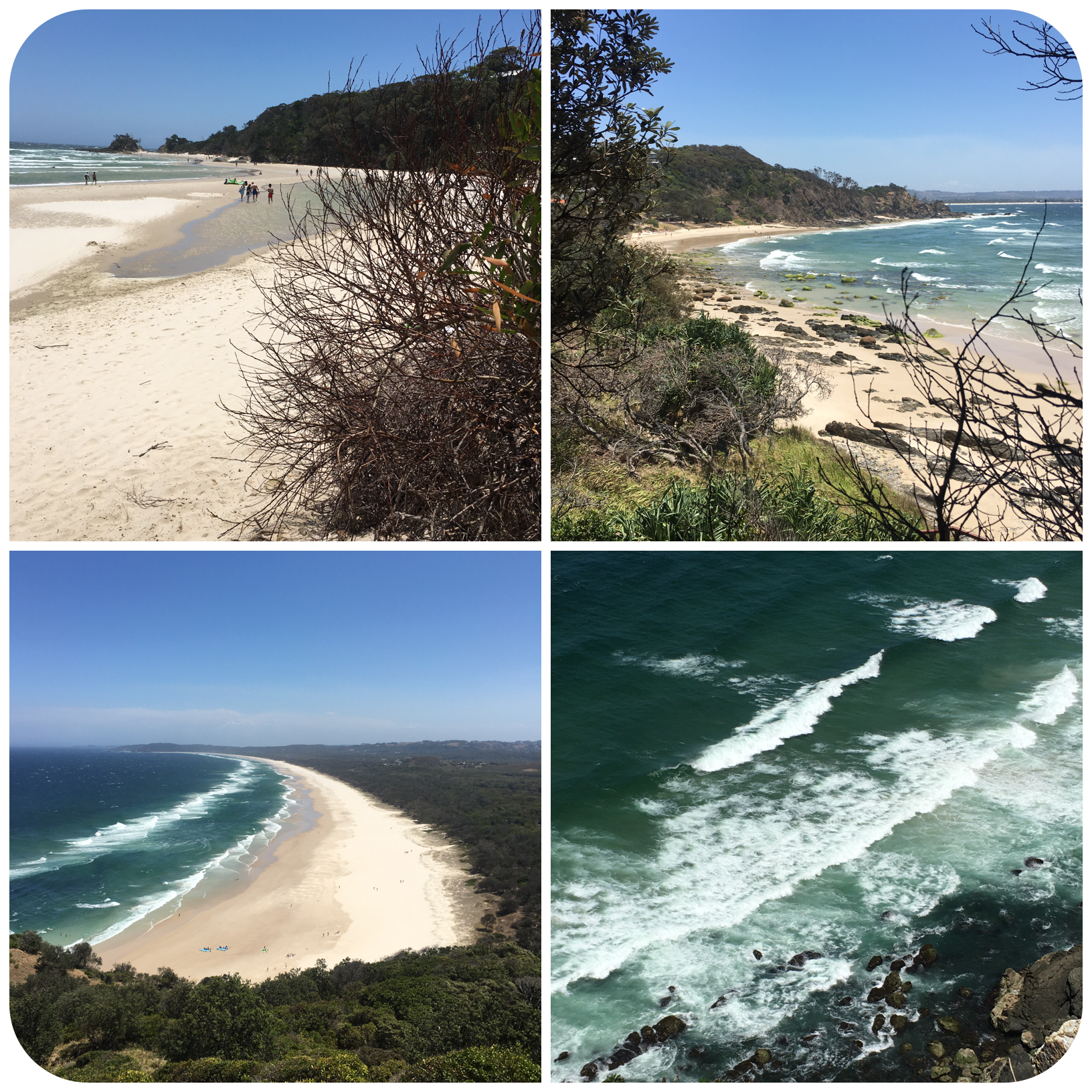
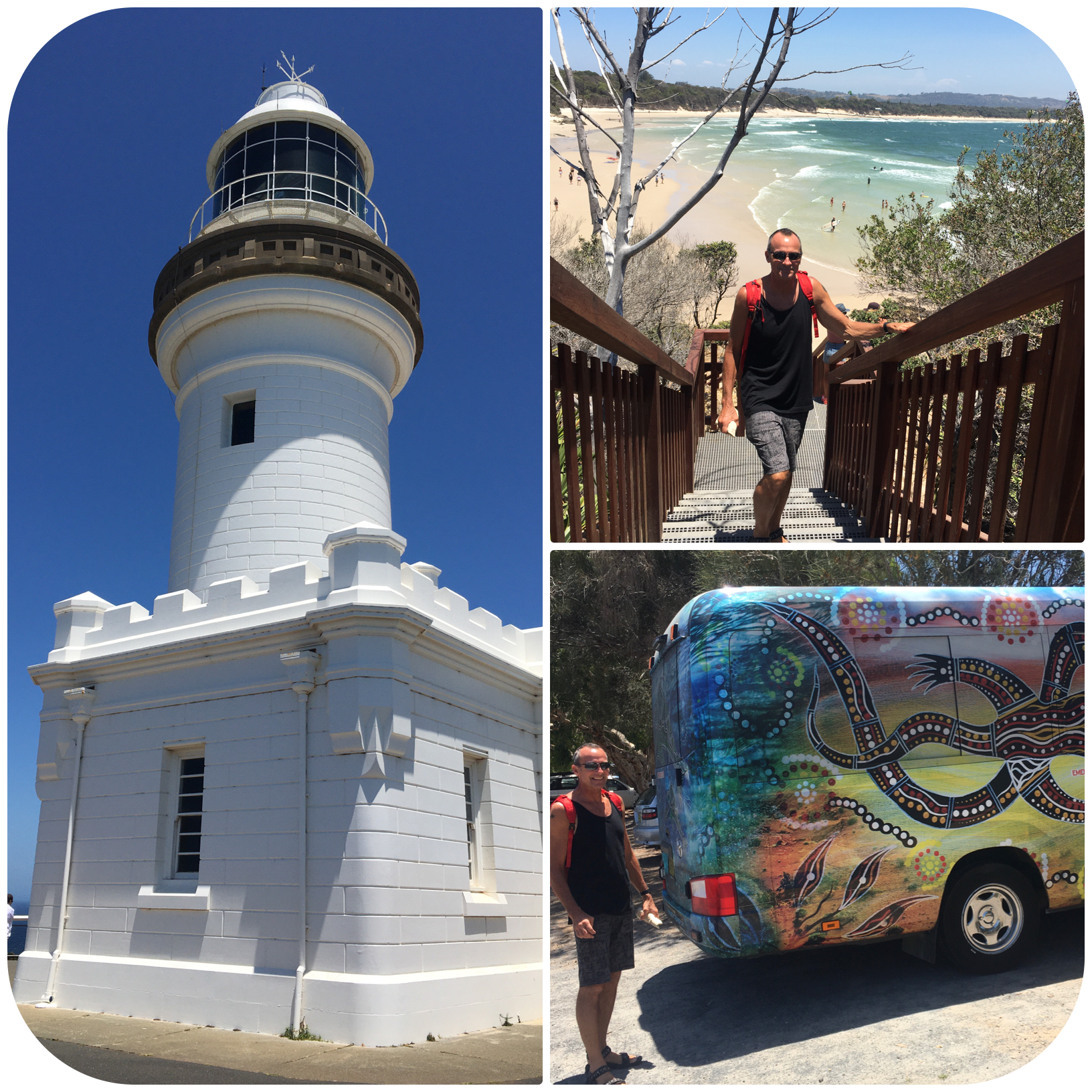
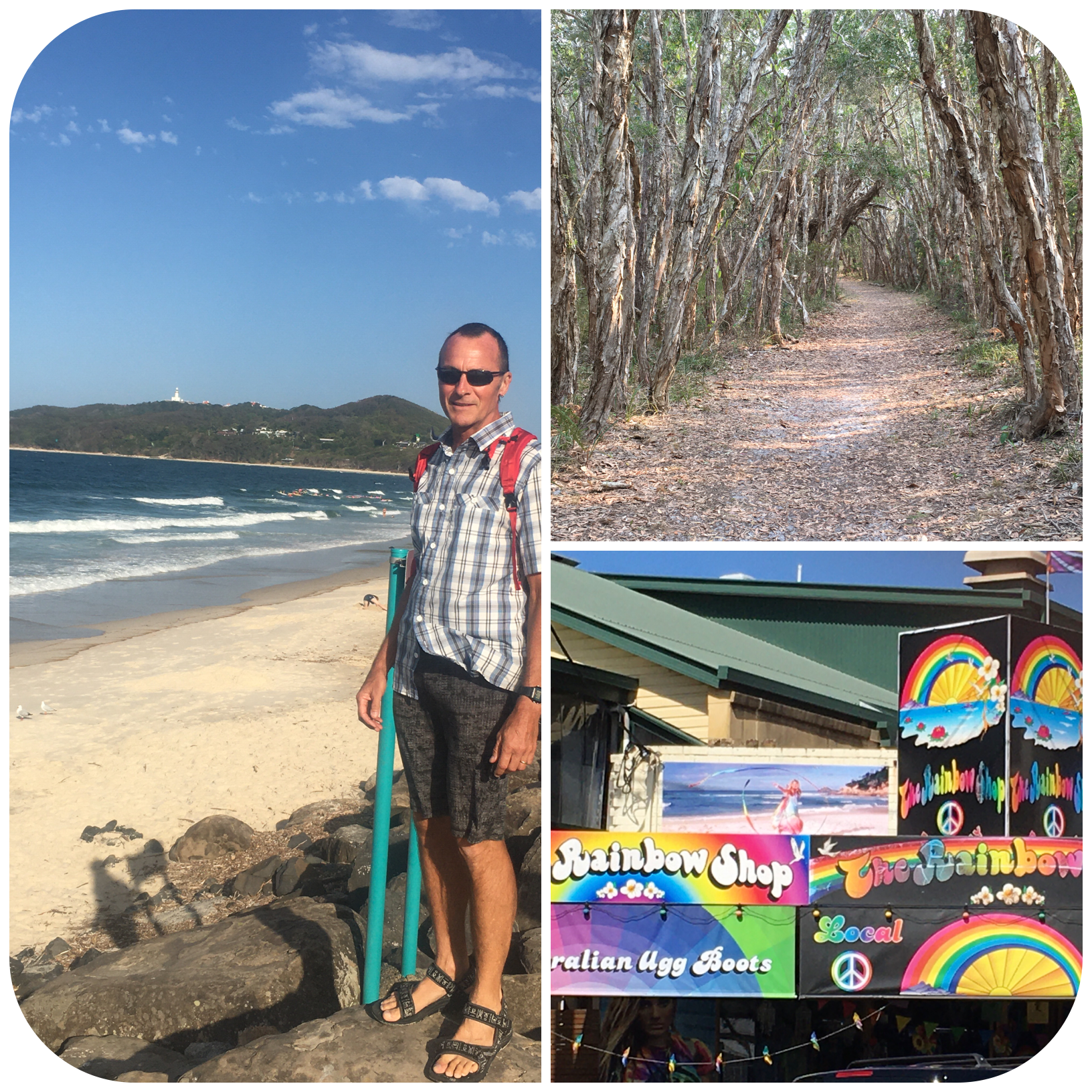
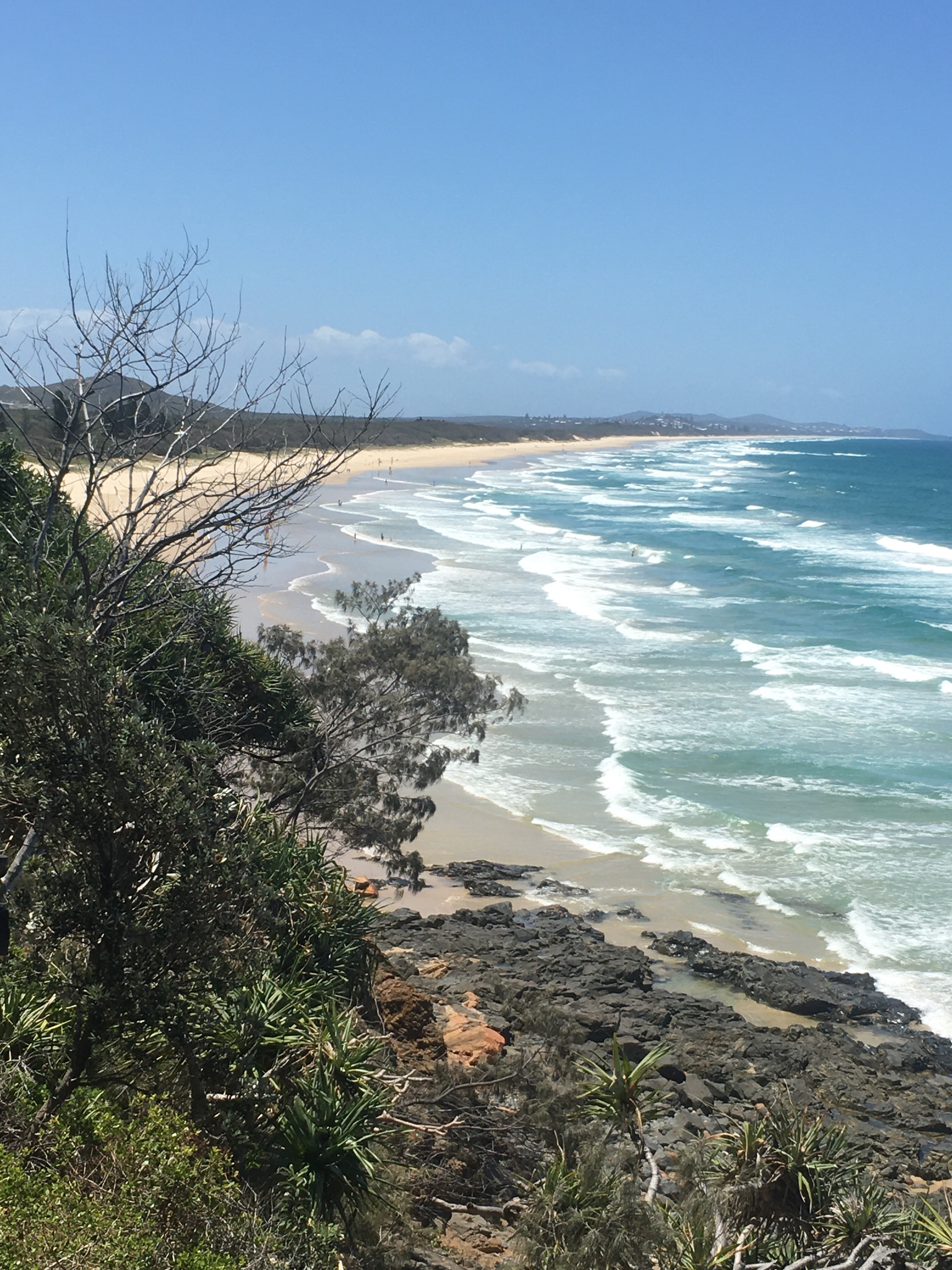
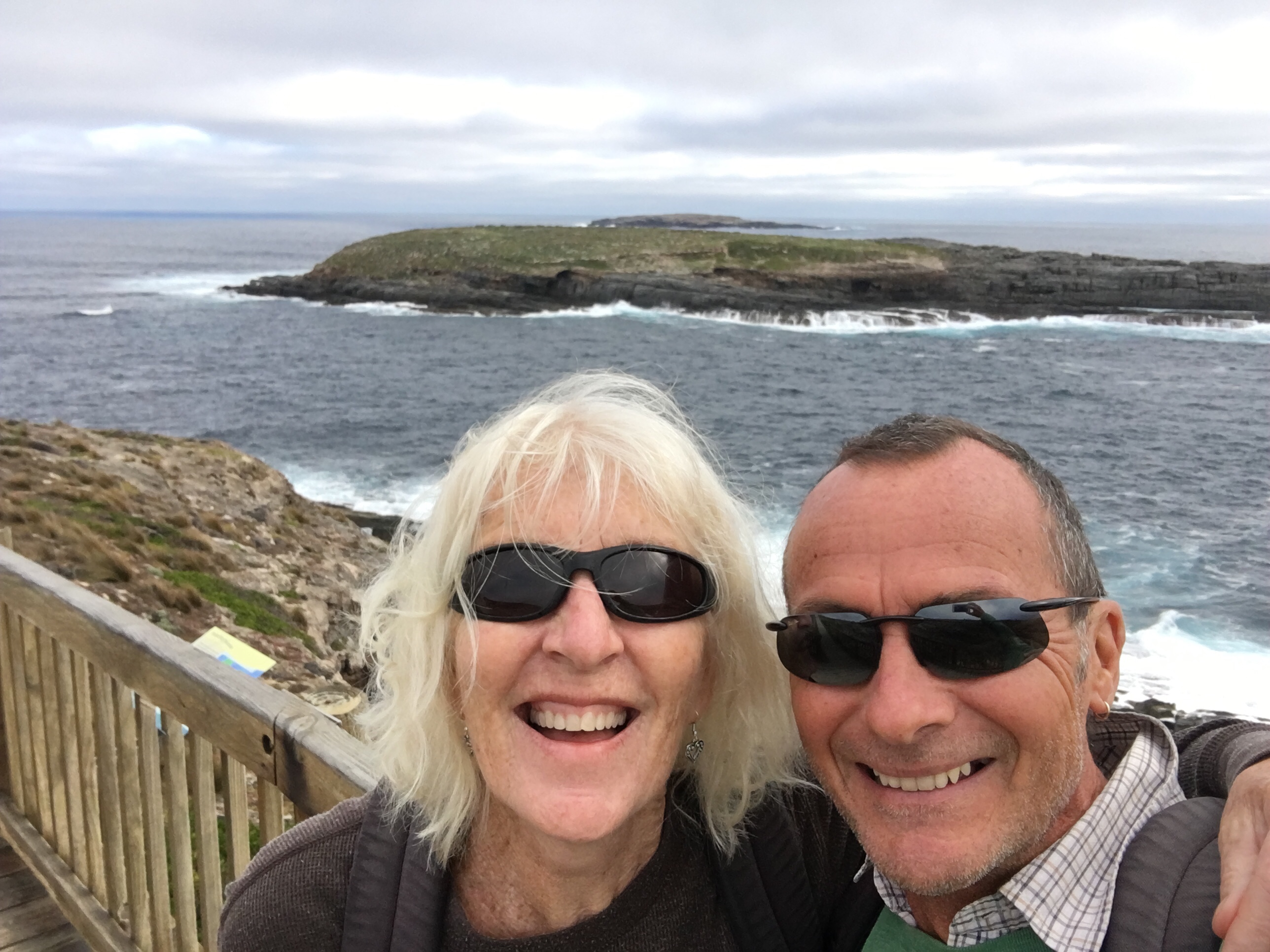
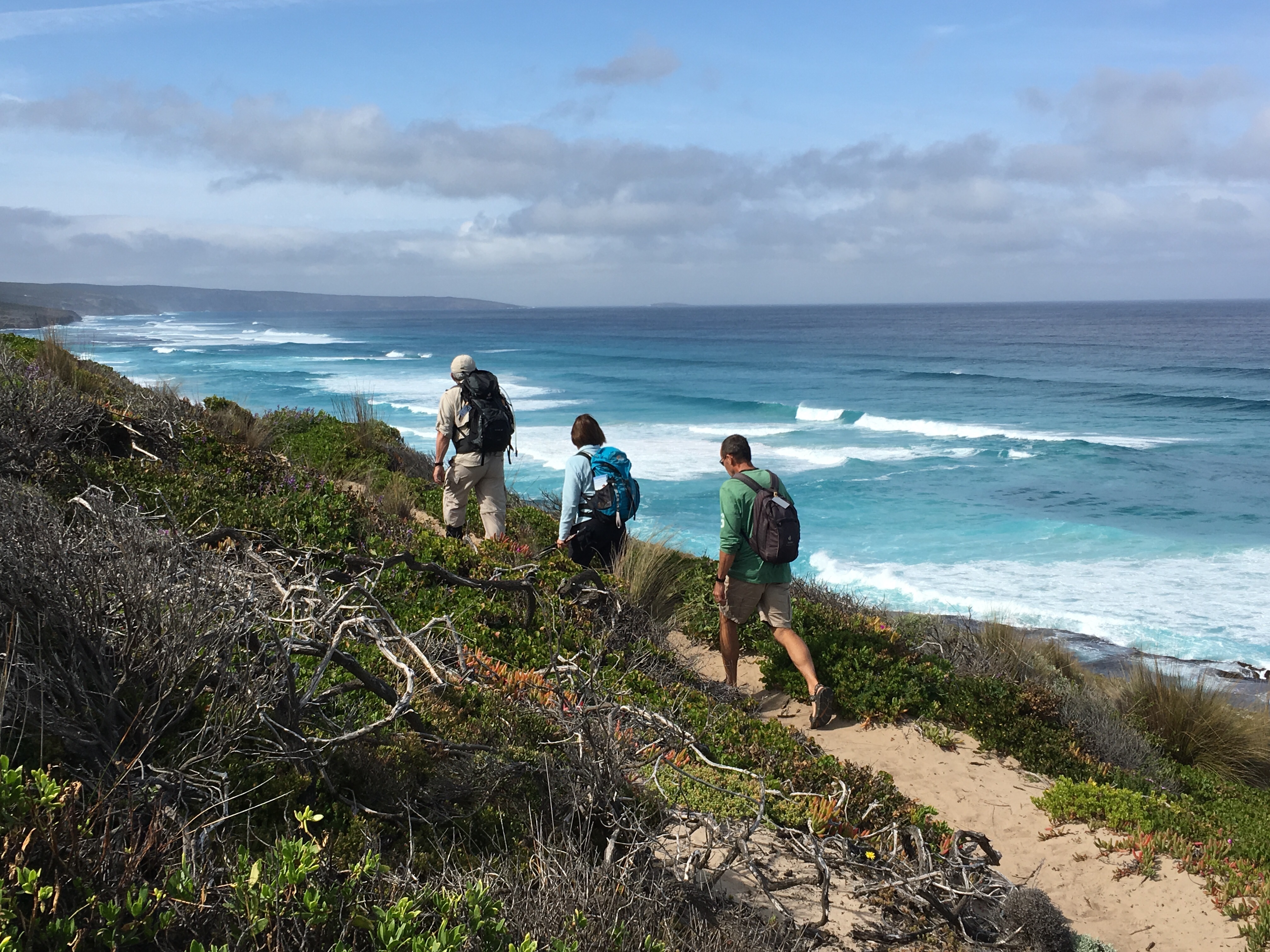
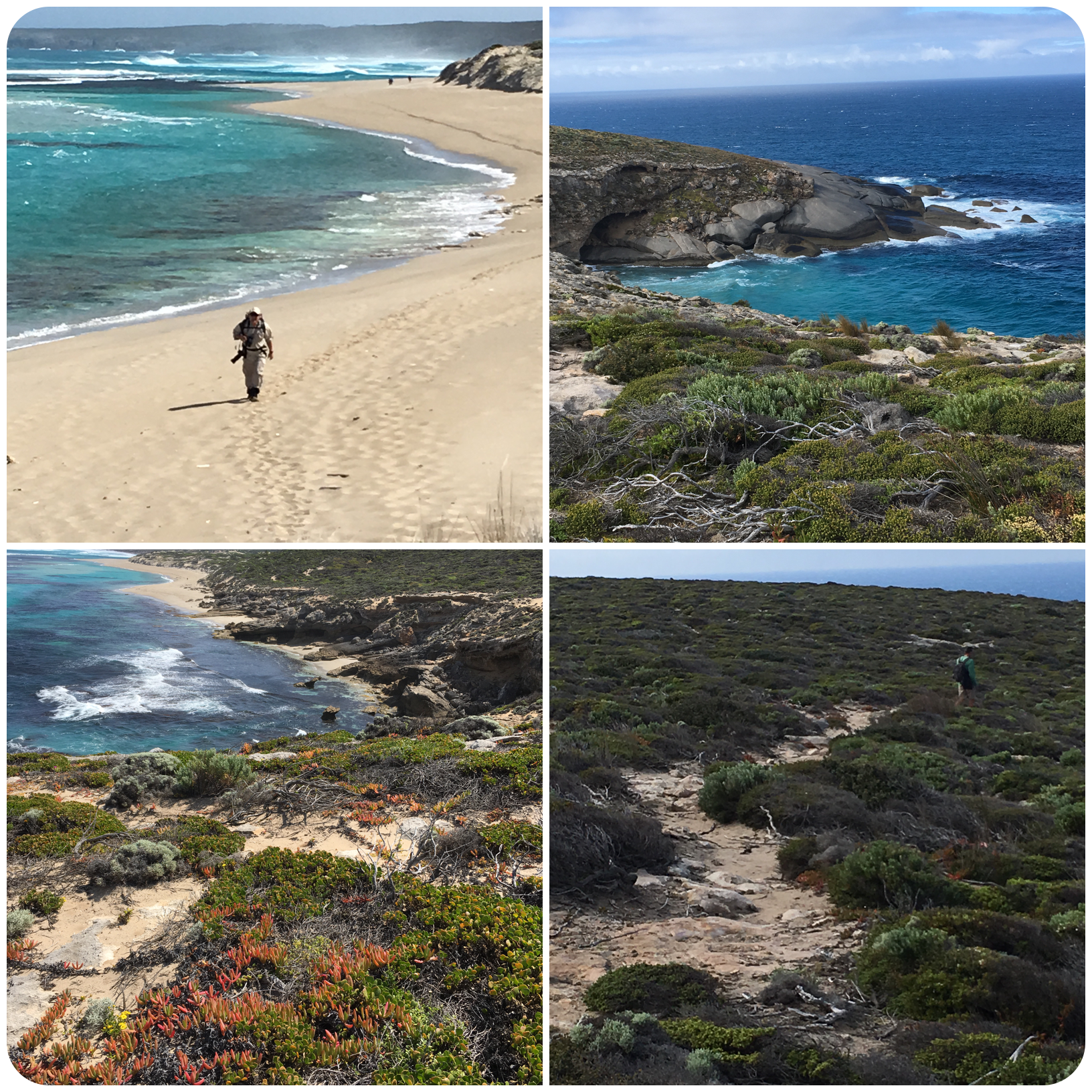
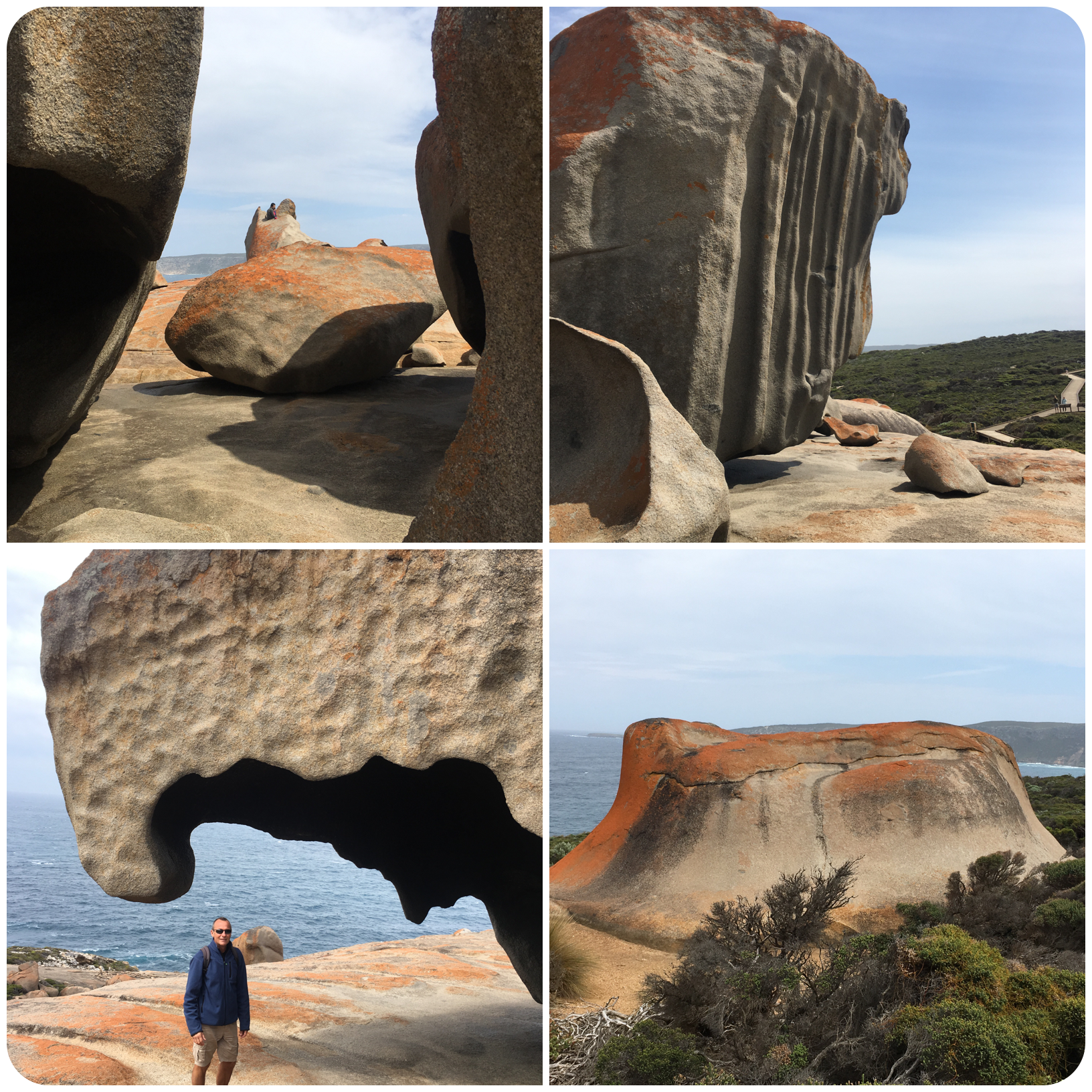
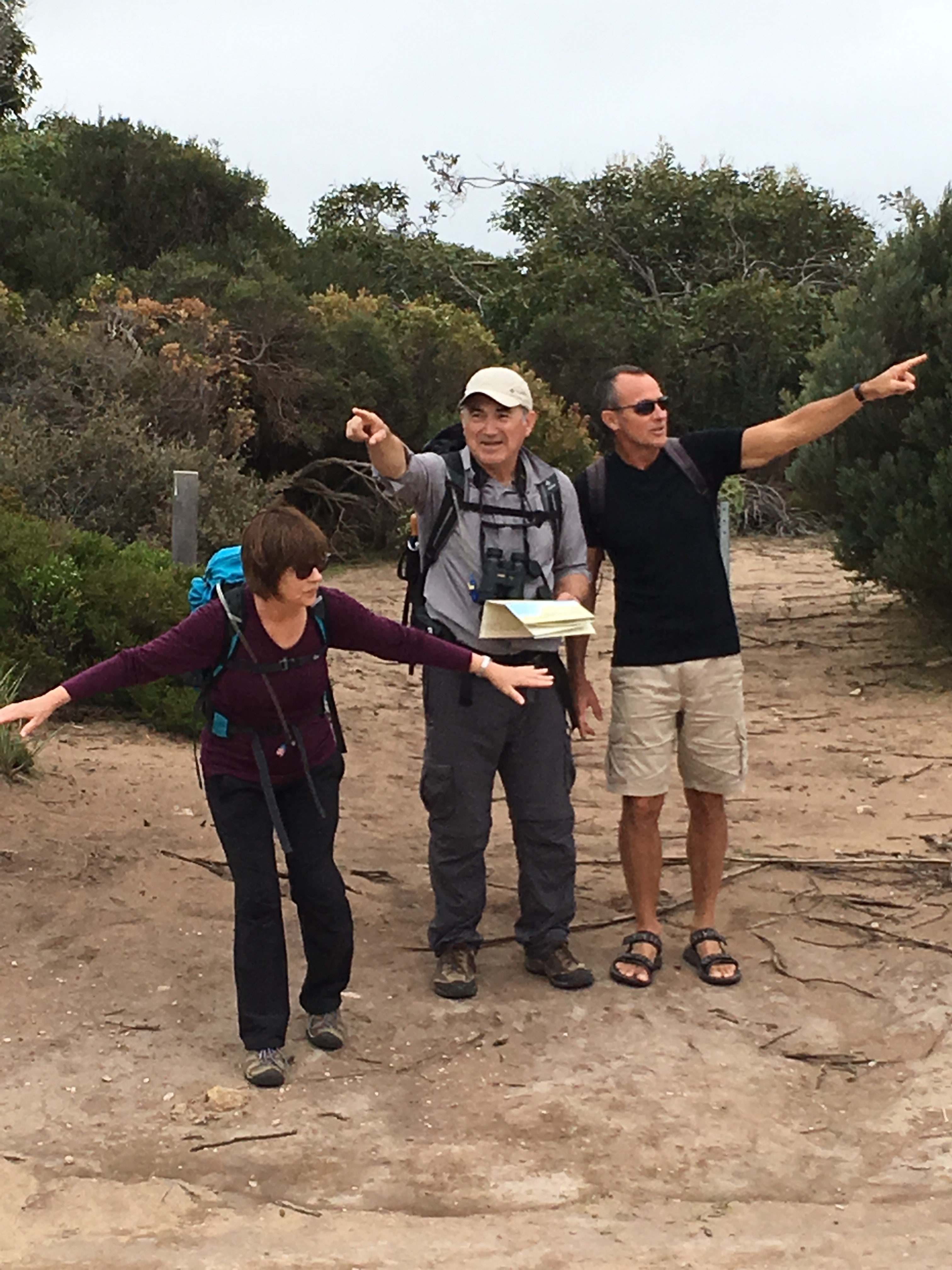
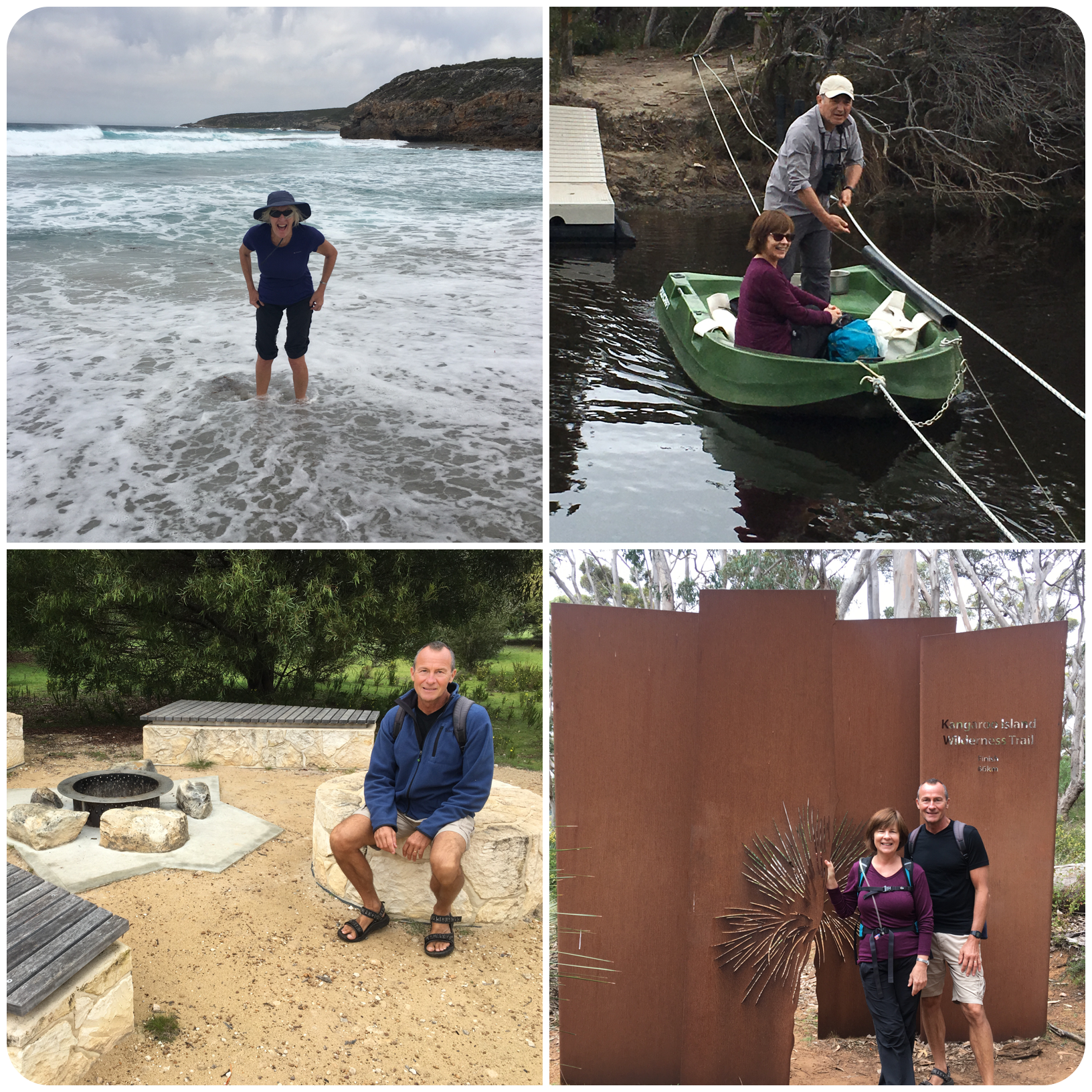
In typical Clapmack travelling fashion, we had arrived in South Australia underprepared and with no expectations of what the ensuing four weeks might reveal. To be fair, we had just spent the previous three months in Europe and our heads were still to some degree in the Northern Hemisphere. Plus, we had been involved in planning and organising some of the activities for the four-day Piggies 60th Birthday celebrations in McLaren Vale. And we were joining Tom and Liz for a five-day hike on Kangaroo Island’s Wilderness Trail. So on reflection, maybe we were slightly prepared, for the first week and a half at least. But other than that, we had nothing except a few vague recommendations and hitherto unknown place names to guide us on our journey of discovery.
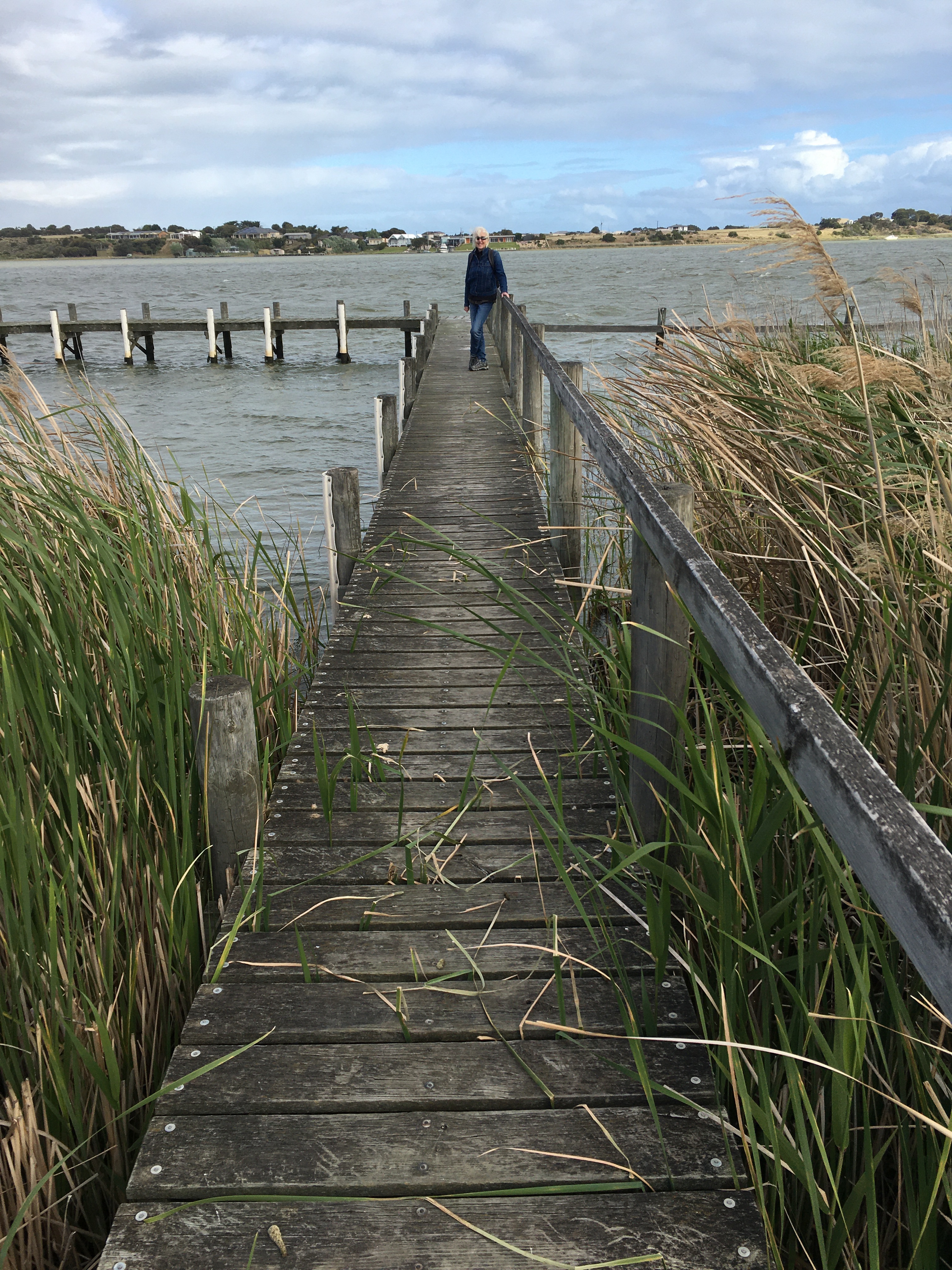
Over the past quarter of a century we have spent the majority of our holiday/travel time overseas. The vast country that is our home remains mainly undiscovered to us. There are various reasons for this: we have a strong desire to return to the country of our birth where we have many relatives and friends; there are so many countries out there still to discover; Australia will always be here for us when we tire of travelling overseas; it’s often cheaper to travel to destinations in South East Asia (for example) than within our own country – a significant factor in our early days together; all of our children are currently overseas, so we need to leave our shores if we are to see them on a regular basis.
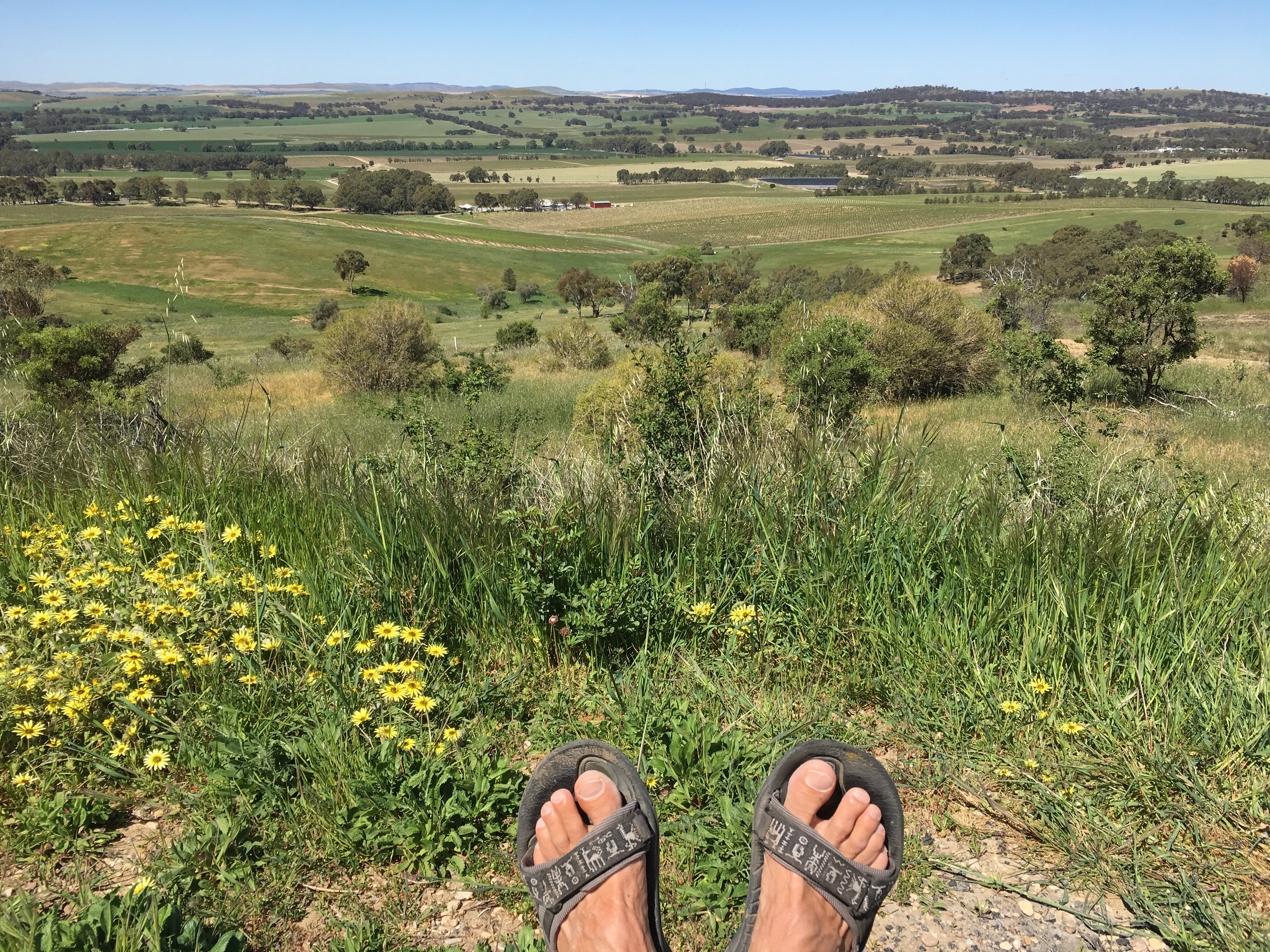
Imagine, therefore, our delight on discovering in the regions surrounding Adelaide, idyllic scenery, well preserved national history, quaint villages and towns, unhurried and uncrowded roads and highways, a helpful and user friendly tourism infrastructure. All of this made for an exceptional fortnight and a most agreeable introduction to uncovering the broad and varied travel destinations right here in Australia that loom on our future travel radar.
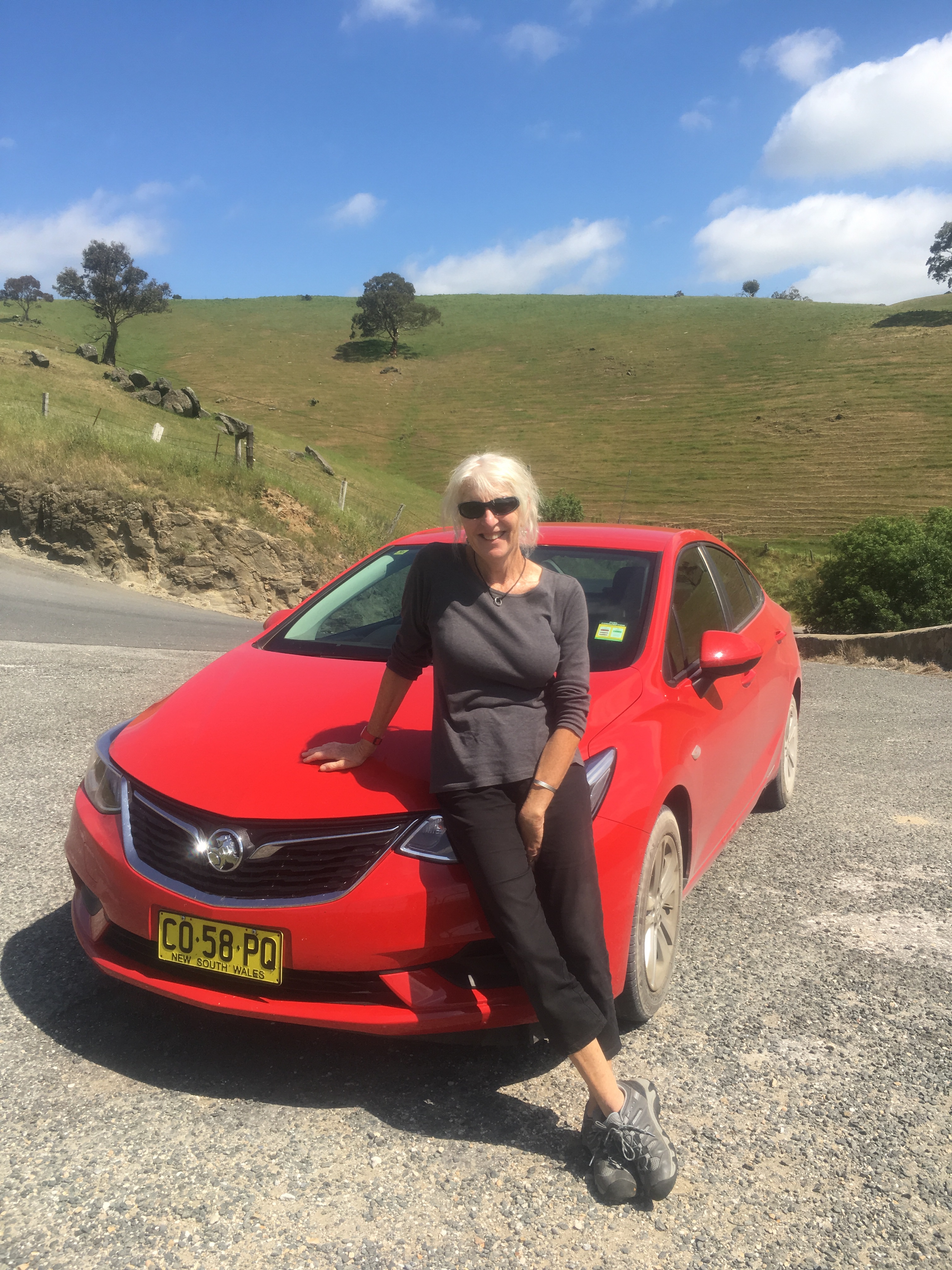
With a hire car at our disposable and two weeks of unstructured time to fill before our return, we had two choices to consider: 1) cover as many miles as possible and see as much of South Australia as manageable within this timeframe, or 2) take a slow leisurely pace and restrict our sightseeing activities to wine-growing regions surrounding Adelaide. Naturally our new-found, retirement lifestyle, incorporating the principle elements of slow-living, demanded that we choose the latter. So we did.
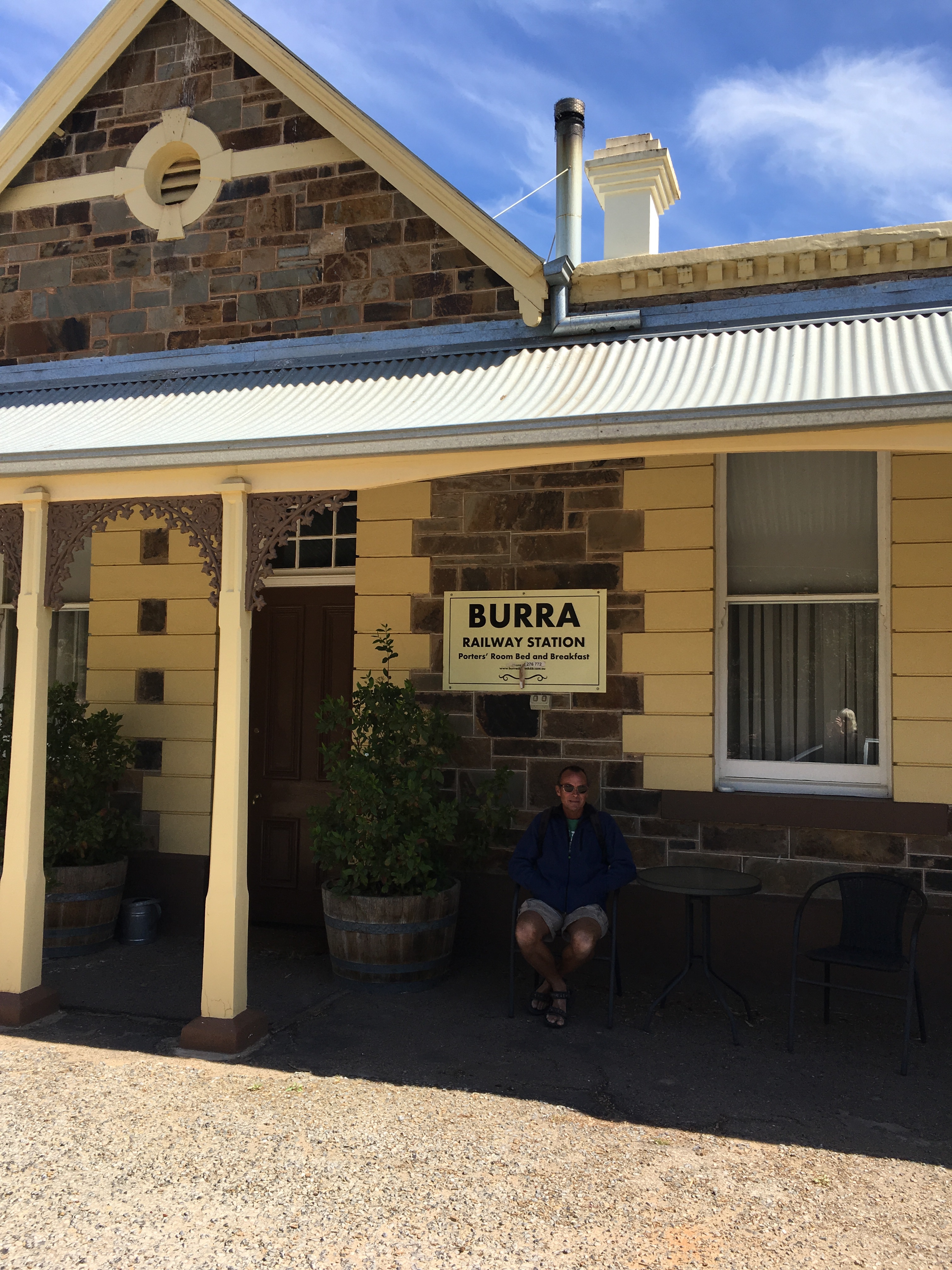
Tracking a path north from Adelaide, we ventured first to Burra, home of South Australia’s first copper mining boom, then Clare Valley just south of Burra, onwards south-east to the Barossa and the Adelaide Hills, ending at the eastern side of the Fleurieu Peninsula. Using AirBnB, our go-to accommodation option, we tried to stay a minimum of three nights in each place, giving plenty of time to explore. Highlights were numerous, in both the scenery and the quality of our accommodation. A snapshot of each region and what we found especially noteworthy follows.
This well-preserved town is steeped in history:
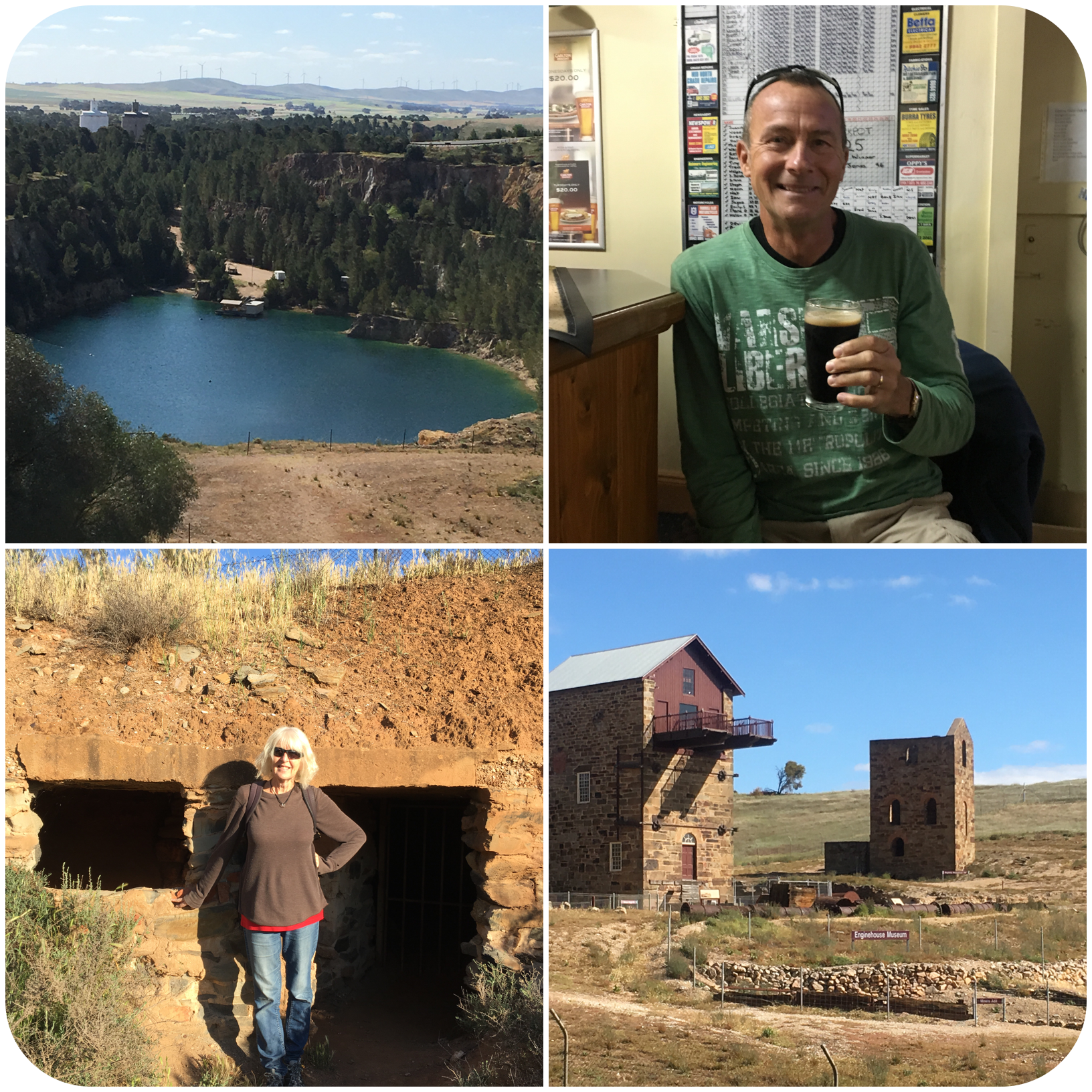
• It’s the oldest mining town in SA and was the largest inland town in Australia in its heyday during the 1850s
• There’s a strong connection to the Cornish mining and Welsh smelting traditions. The Cornish influence piqued our interest, given our previous devotion to the South West Coastal Path in Cornwall.
• Town Passport – a creative tourist device that allows keyed access to various historical sites around town, including old mine sites, a Cornish engine house, a tailor’s house (with some detailed social history), miners’ cottages and gardens, the old Gail then girls’ reformatory where the film Breaker Morant was filmed, old dugouts built and occupied by miners who couldn’t find other accommodation at the time. All well curated and fascinating.
• An interesting old-fashioned outback pub experience – we felt we’d stepped back in time as we sipped our local craft beers at the sports bar of a working man’s pub.
• A traditional motel, where we stayed for one night in order to finish the self-guided Town Passport tour. The 1970s styled rooms backed onto a tiny river, from which resident ducks visited us for a breakfast feed.
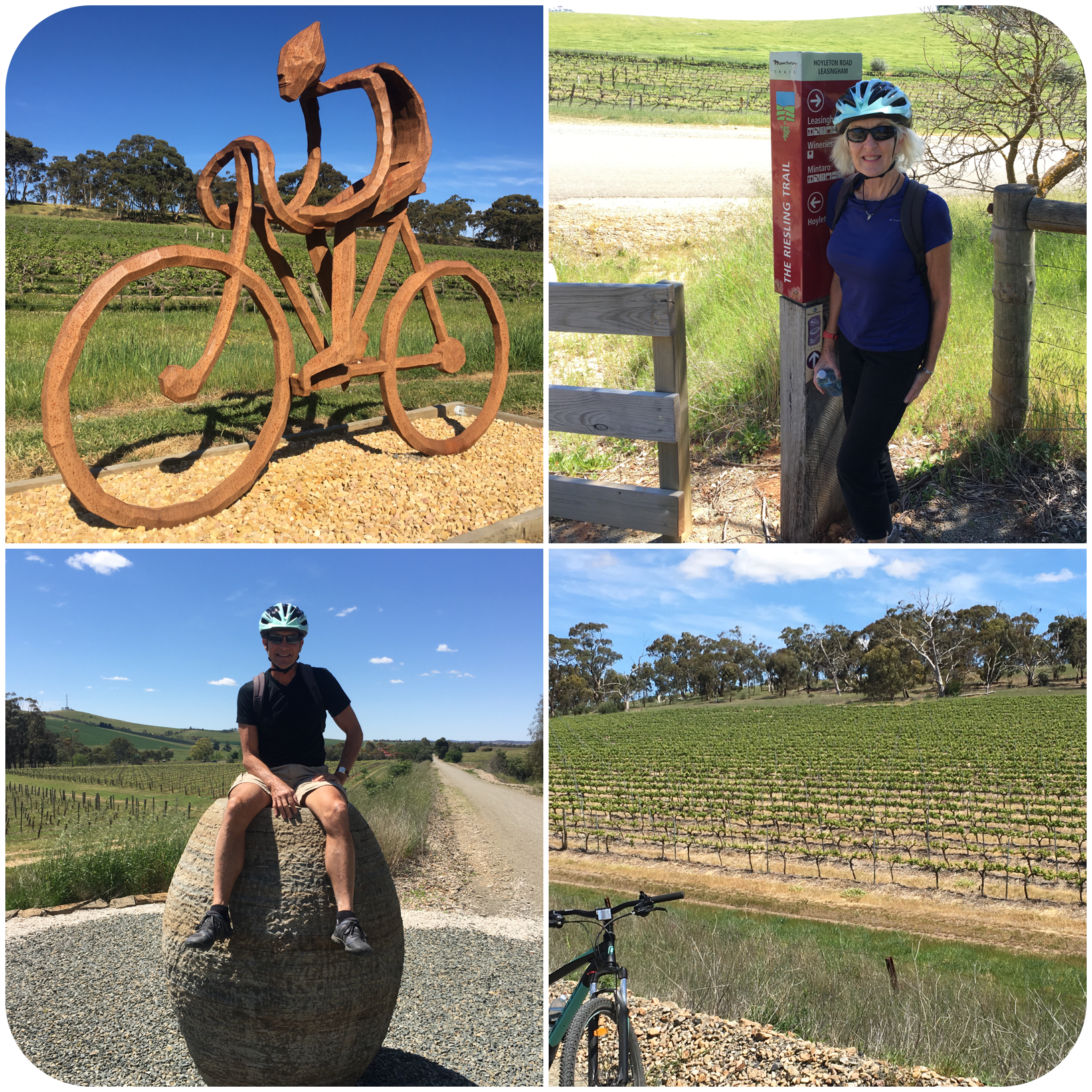
• The Riesling Trail, a walking/riding track that follows the path of an old railway line through farmlands and vineyards. We hired two bikes from our garden studio accommodation on the outskirts of Clare and rode the entire length and back over three days, from Auburn to Barinia. Information boards describing the old railway stations and sidings and clever public artworks punctuate the trail.
• The Clare Valley Visitor Centre featuring local wines and produce. We joined our AirBnB hosts one evening for a community wine tasting event – an opportunity for locals and visitors to socialise together.
• Sevenhills Winery and church – the first Jesuit monastery in Australia and the oldest winery in the Clare Valley (1851). This beautiful old church and adjoining winery still produces sweet altar wine for whole of South Australia. A rare crypt under the church holds the remains of 39 Jesuit fathers and brothers, including Hitler’s uncle (according to some unpublicised local knowledge).
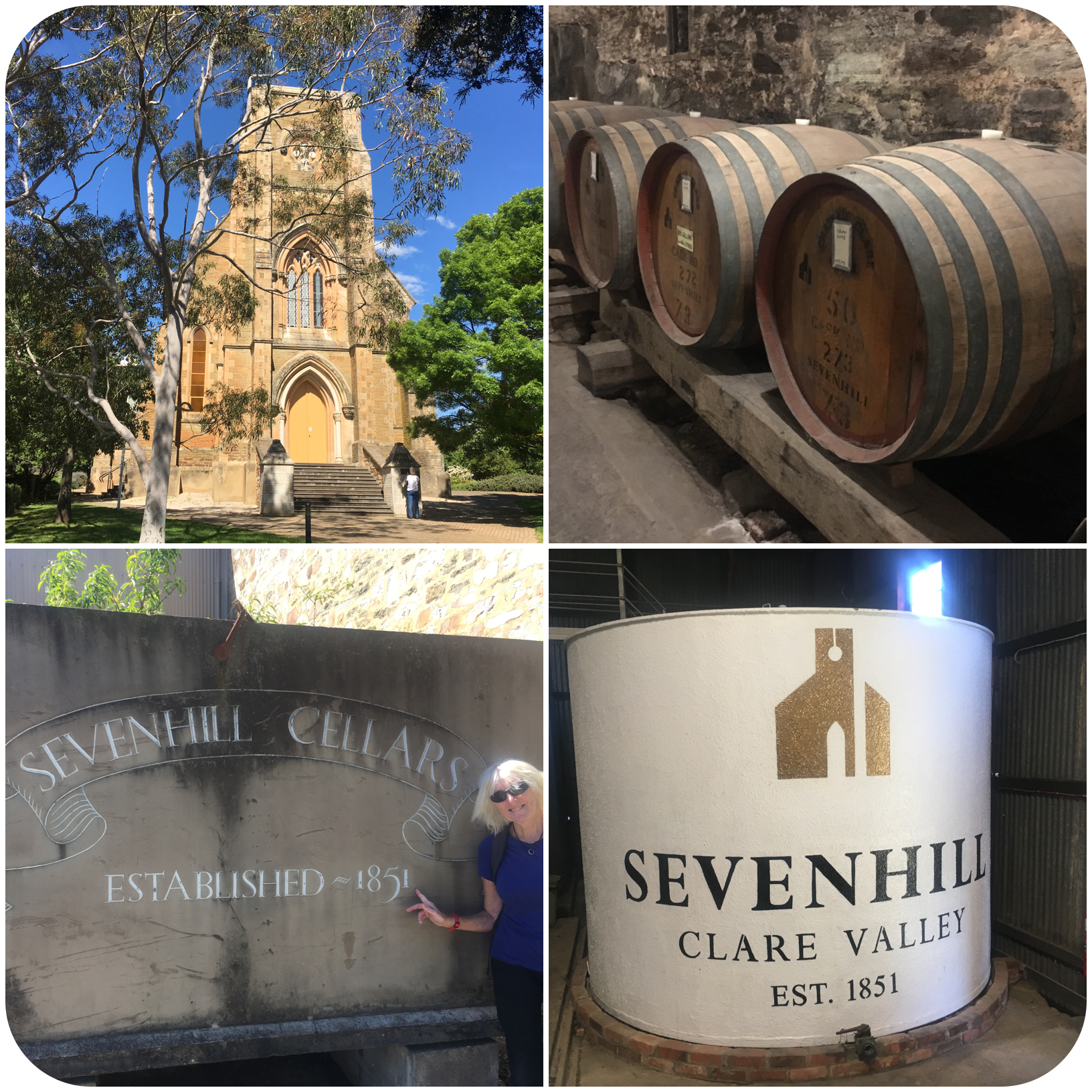
• Many small boutique family run wineries – we found these casual and personal, much less formal and commercial than wineries in other areas such as Barossa and McLaren Vale.
• Beautiful gently rolling farmlands and old villages, including the historic mining town of Mintaro with Martindale Hall, one of very few Australian grand homesteads in the English tradition.
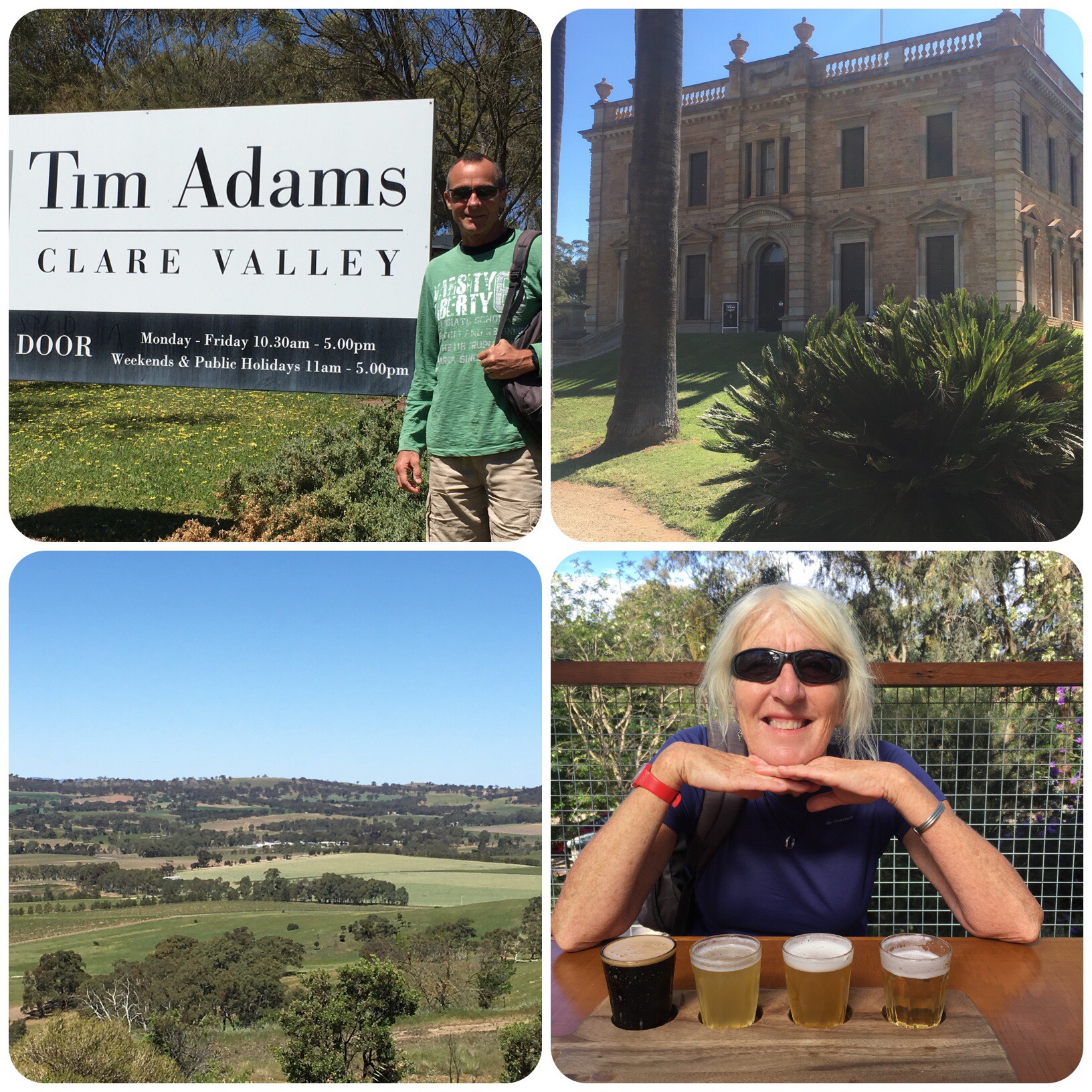
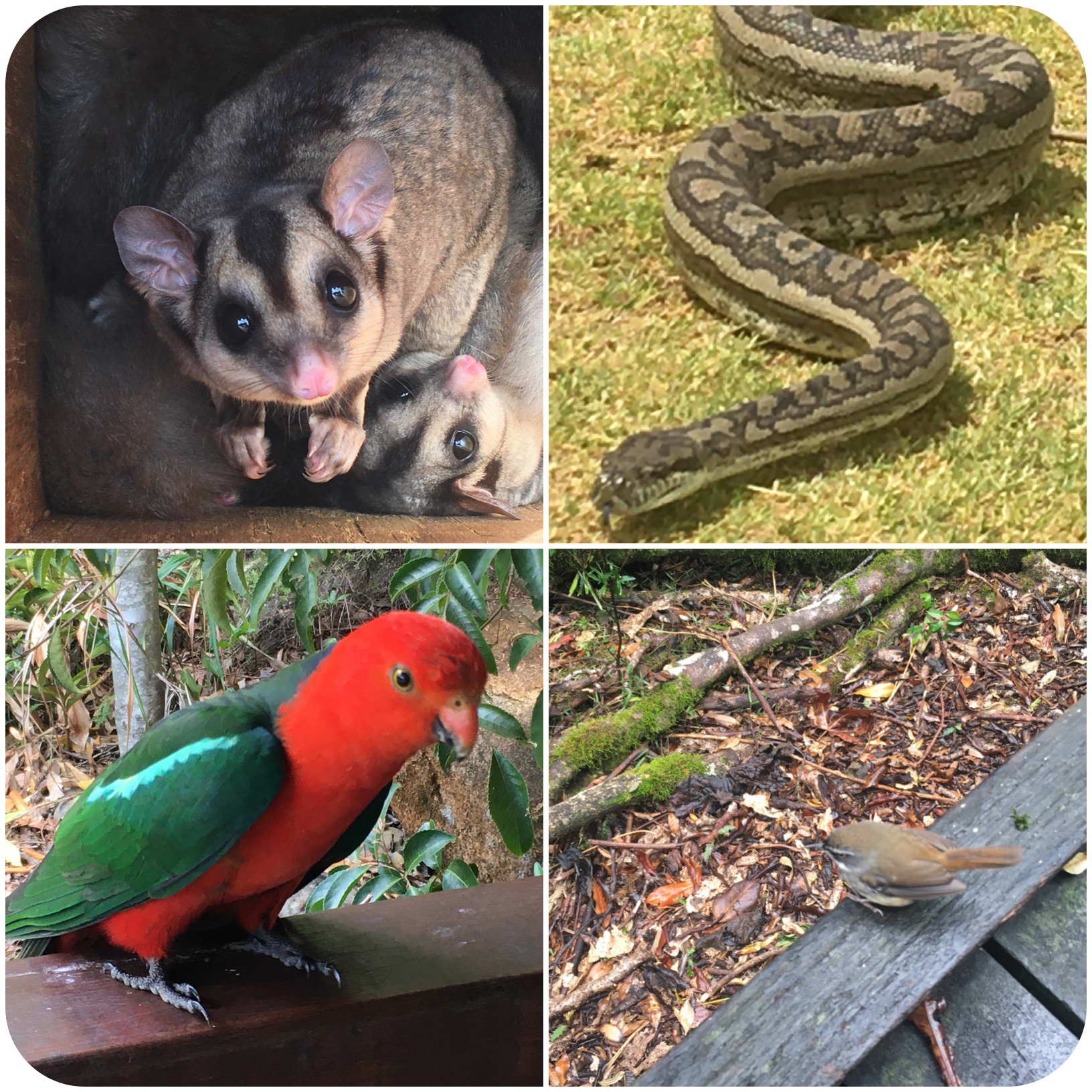
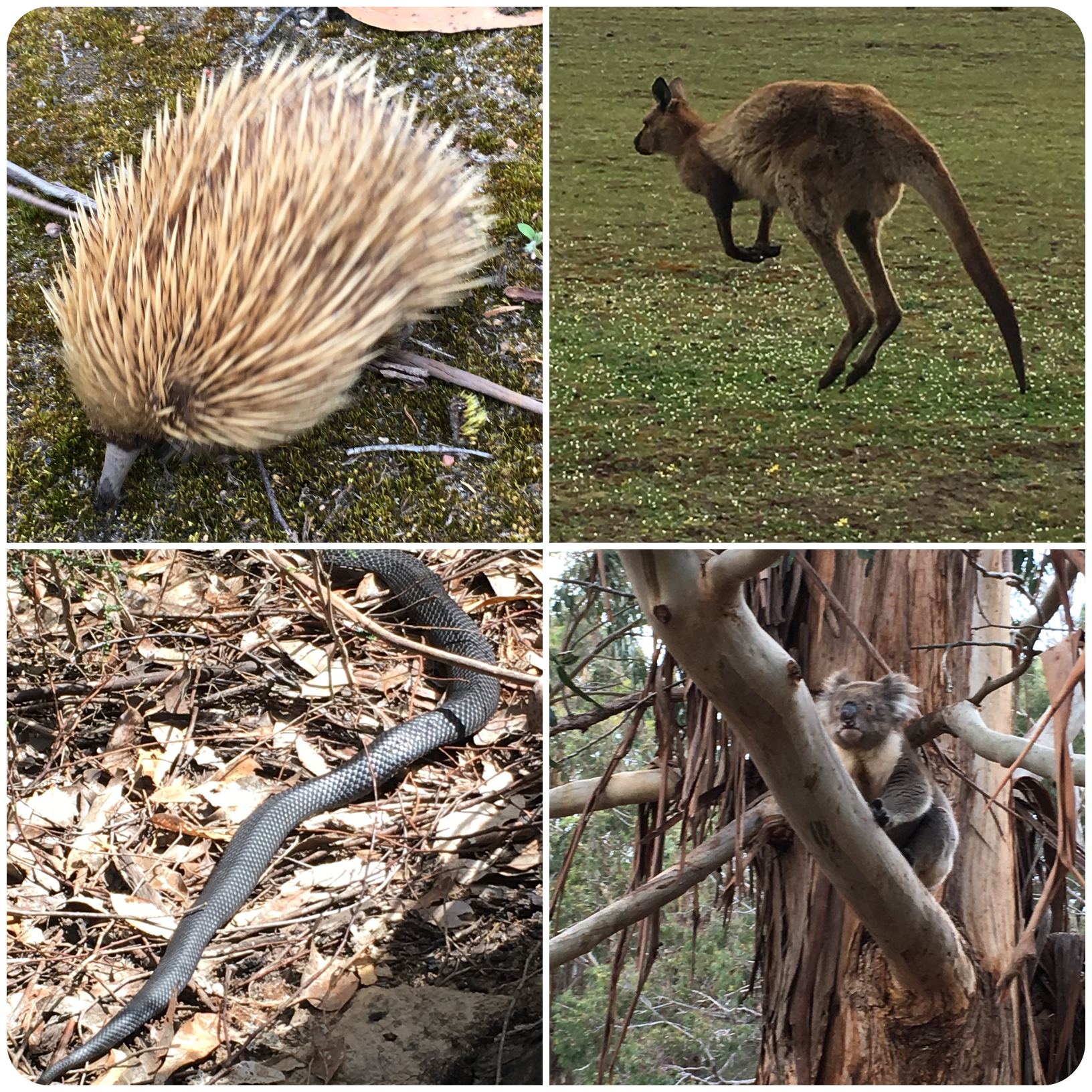
• Lots of wildlife – birds and colourful parrots, bobtails, brown snakes, kangaroos. Sue is always anxious when snakes are around, not through fear of the reptiles themselves, but because Graham loves them and is likely to put himself in danger to get a closer look. One notable occasion on the Riesling Trail had Sue quickly side-stepping out of the way of a poisonous brown snake crossing the path, only due to Graham’s enthusiastic encouragement of the animal’s progress.
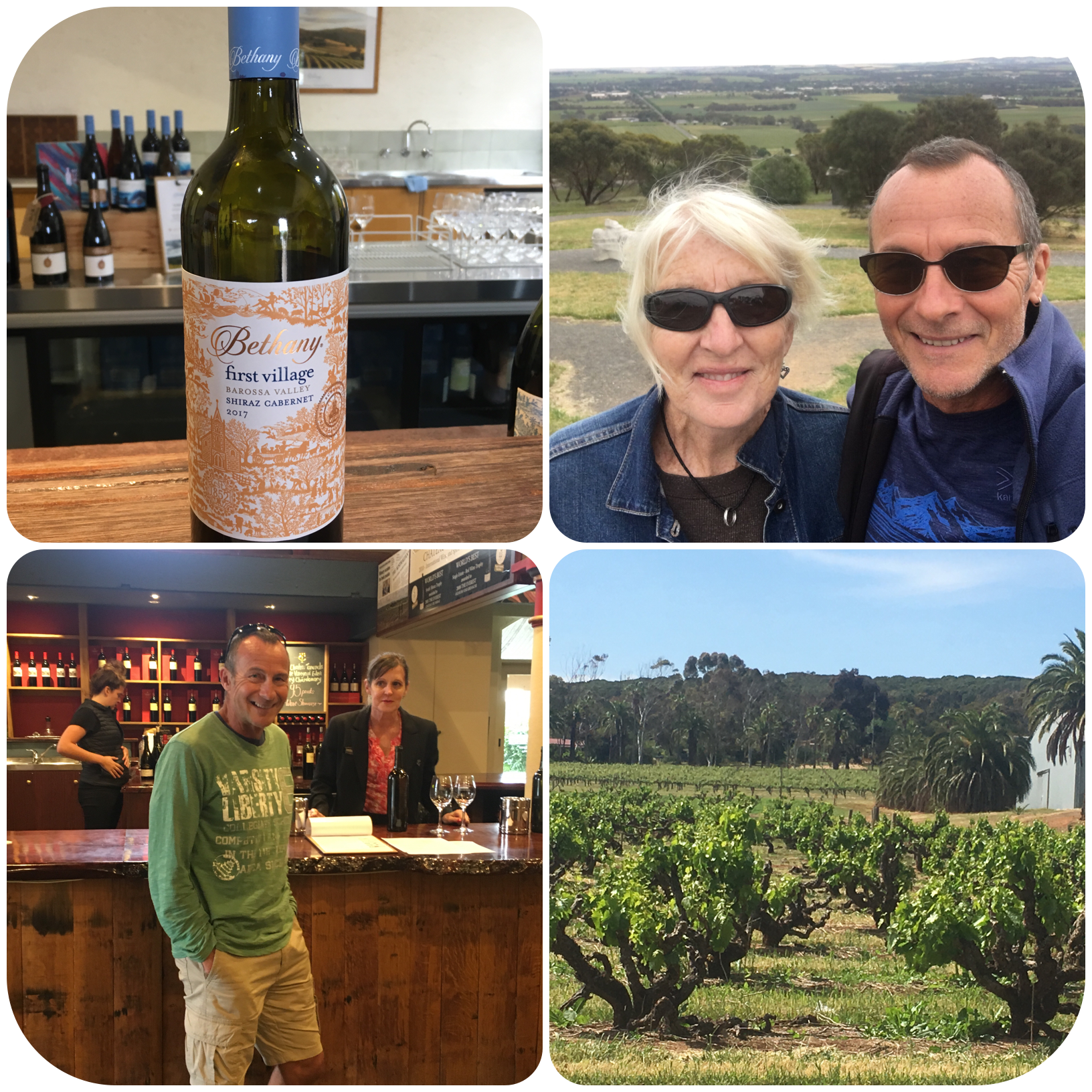
• Lots of historic towns and villages, including Bethany, the first of many German settlements and the oldest village and vineyard in the Barossa.
• Several vast, iconic commercial vineyards in the large flat valley.
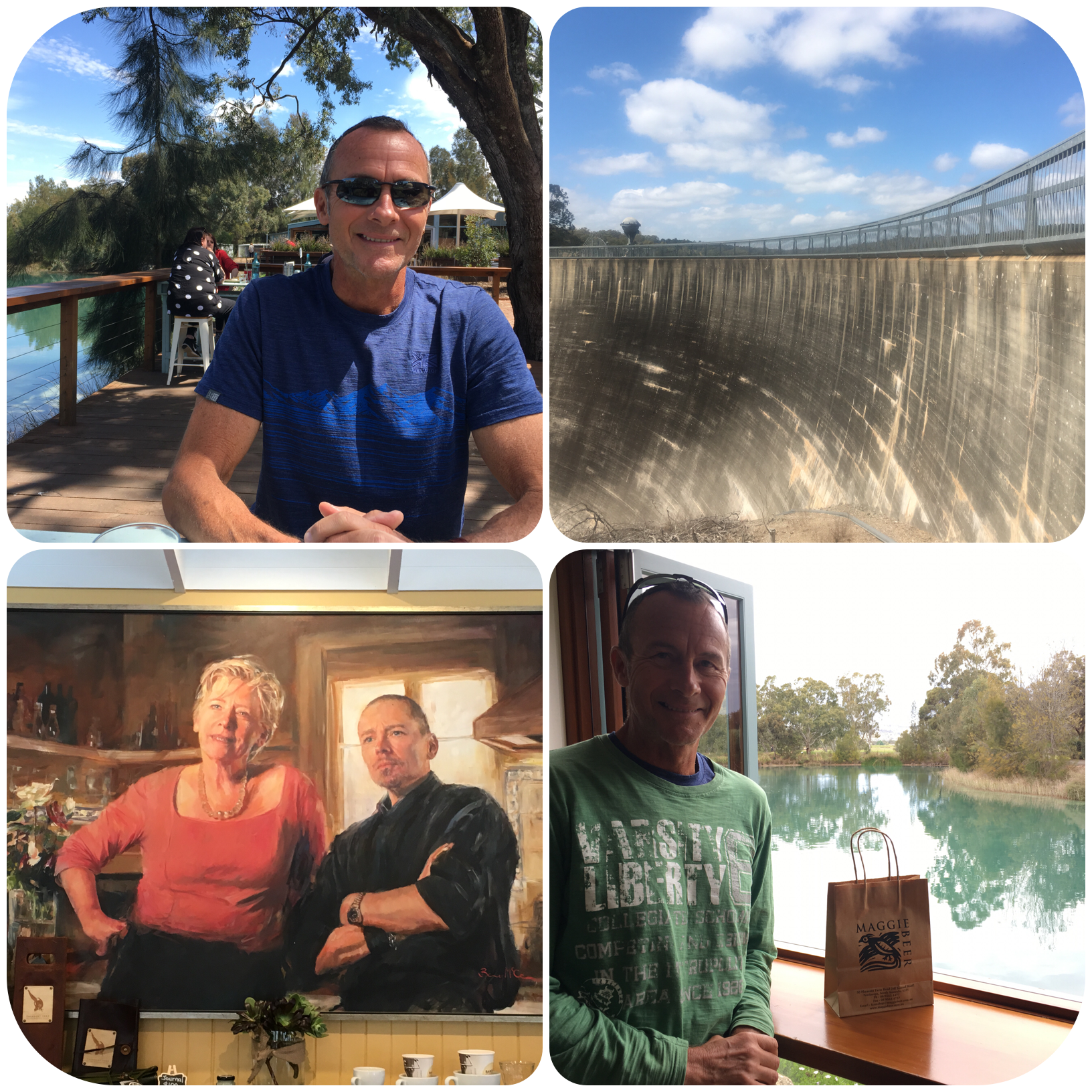
• Maggie Beer’s Farm Shop and Eatery. After becoming hooked on “The Cook and The Chef” on the SBS food channel while in SA, we had to visit. At this beautiful setting on Maggie Beer’s original pheasant farm, we enjoyed a scrumptious chef’s long lunch overlooking the lake.
• Barossa Reservoir, with the famous Whispering Wall formed by the retaining wall. Built at the start of the 20th Century, the reservoir was an engineering marvel of its time, but the attraction now is the Whispering Wall, where a tiny voice at one end can be heard clearly at the other, over 100m away. Eerie!
• The Steingarten Walk through Jacob’s Creek’s premium winery with kangaroos in the vineyard, amazing views, down into the Jacob’s Creek valley and back up to the summit.
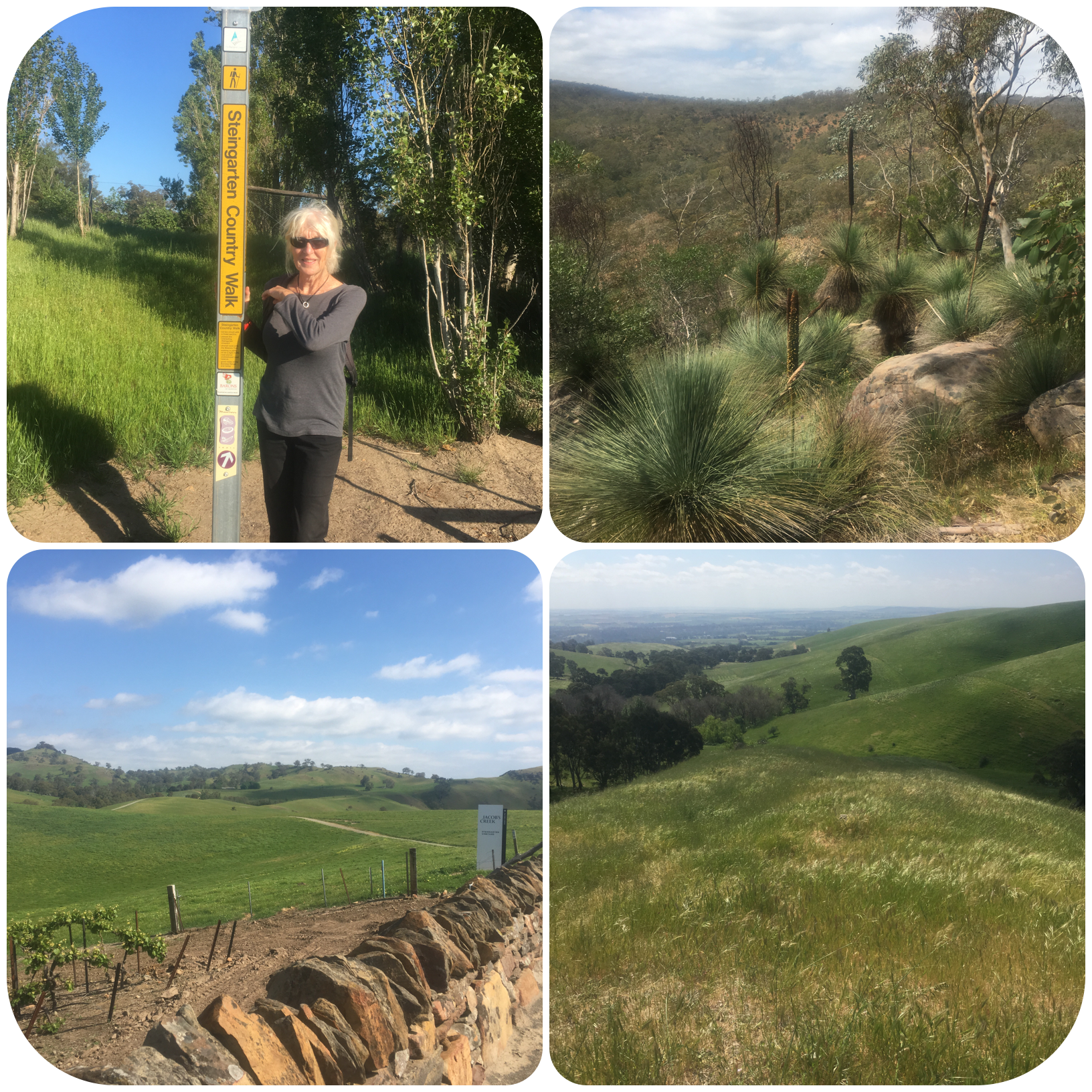
• A host of iconic Aussie wineries. We sampled a few:
• Seppeltsfield, a grand estate with a palm-tree lined promenade and lawned gardens. Specialising in fortified wines, their famous Para Port, named after the local river, is a classic. Tasting comes at a cost, which limited our palate, but we at least had a viewing (and a sniff) of a small vial containing a thick, syrupy 100 year-old port.
• Penfolds, home of Australia’s most famous red, the Grange. Under the direction of a helpful and knowledgeable young assistant, we tried a range of magnificent reds. All the big bin numbers were on show, including Grange and Bin 389, the “poor man’s Grange” (at over $100 a pop, not everyone’s “poor” enough to drink it!)
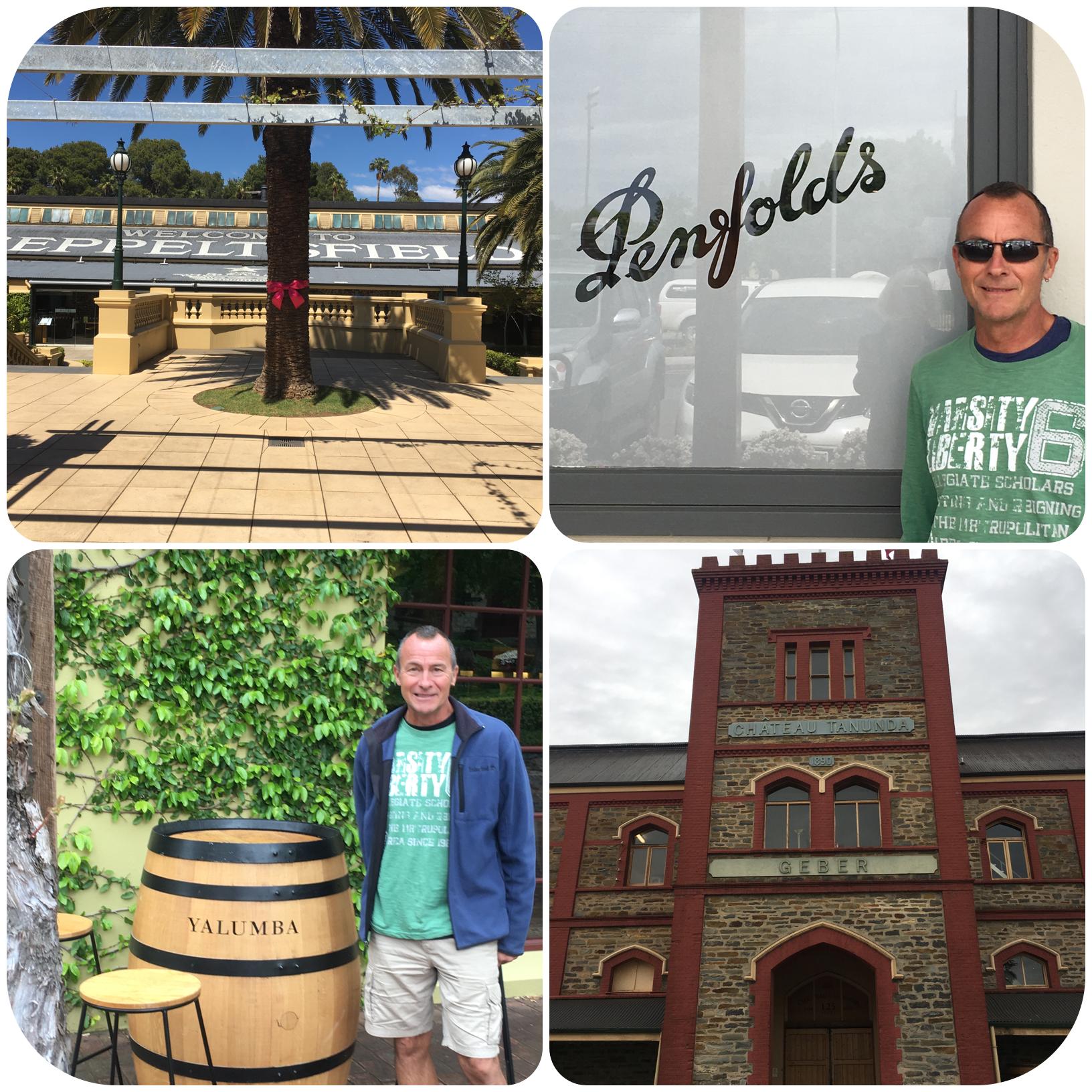
• Yalumba, a truly beautiful setting. The main building resembles a French chateau, the premium wines more of the Australian characteristics.
• Chateau Tanunda – who can forget the 1970s advertising campaign? (“No wonder, no wonder, it’s Chateau Tanunda”). We simply had to check it out. The amazing old grand chateau has been fully restored after years of neglect with the new family owned company attempting a resurgence of the classic Aussie label. Good luck to them! (They may need it – the wines I tasted were a little thin and not, in my opinion, up to the standard of their impressive neighbours.)
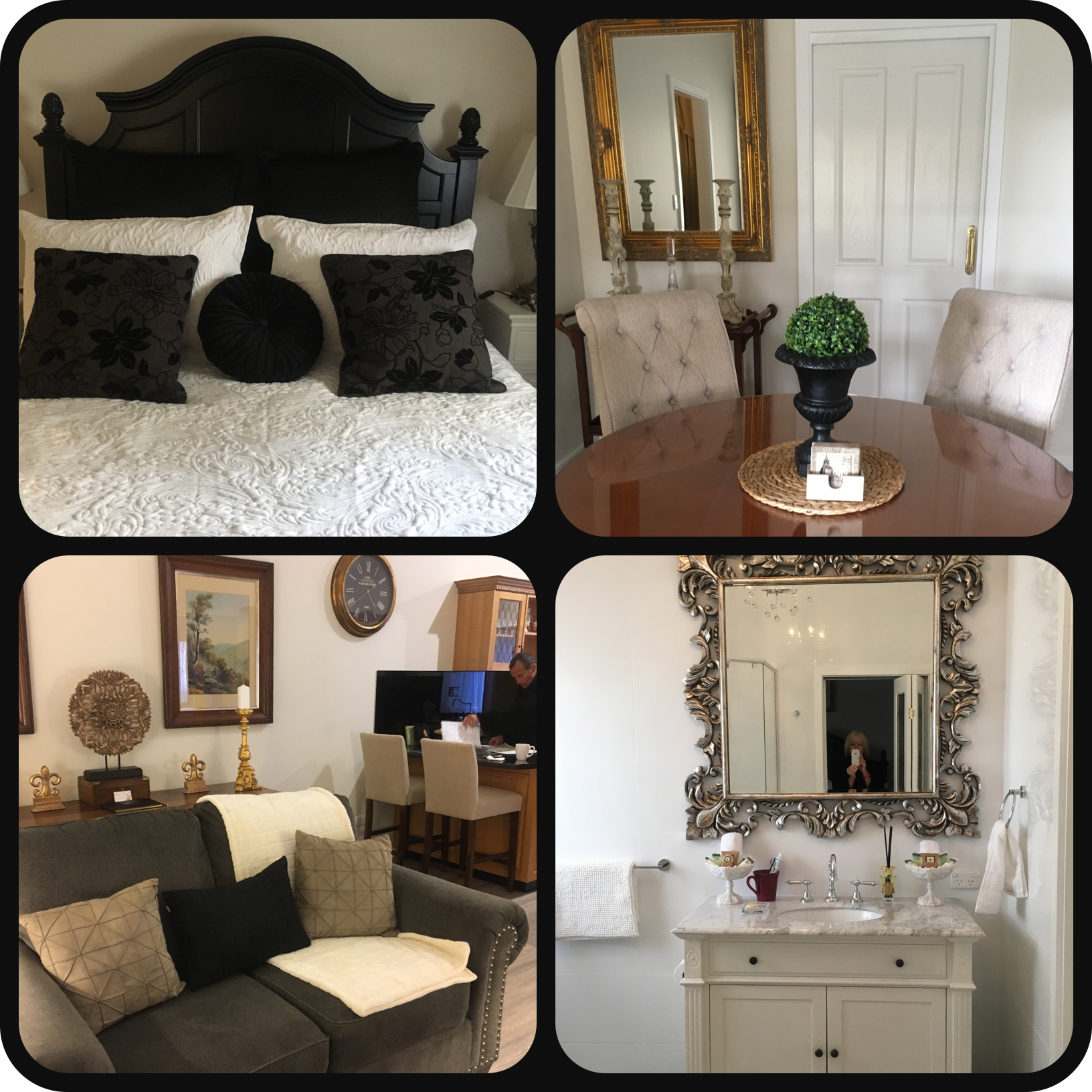
• The luxurious AirBnB where we stayed on the outskirts of Nairne was simply stunning. Decorated in ornate and sumptuous style with a generous supply of gourmet food, we were sorely tempted to stay in for three days and just pretend we’d visited the Adelaide Hills. We even tried to book an extra two nights when we arrived but were thwarted by some other selfish holidaymakers who had obviously read the reviews.
• Hahndorf, the original German settlement in this region. It’s marinated in Teutonic history and it’s very touristy but lots of fun. The Main Street is like set for a 19th Century German period drama (apart from the abundance of modern signage). The oldest, traditional German Inn serves a range of very good, locally made German beer, a welcome respite from the millions of litres of red wine that flood the whole region.
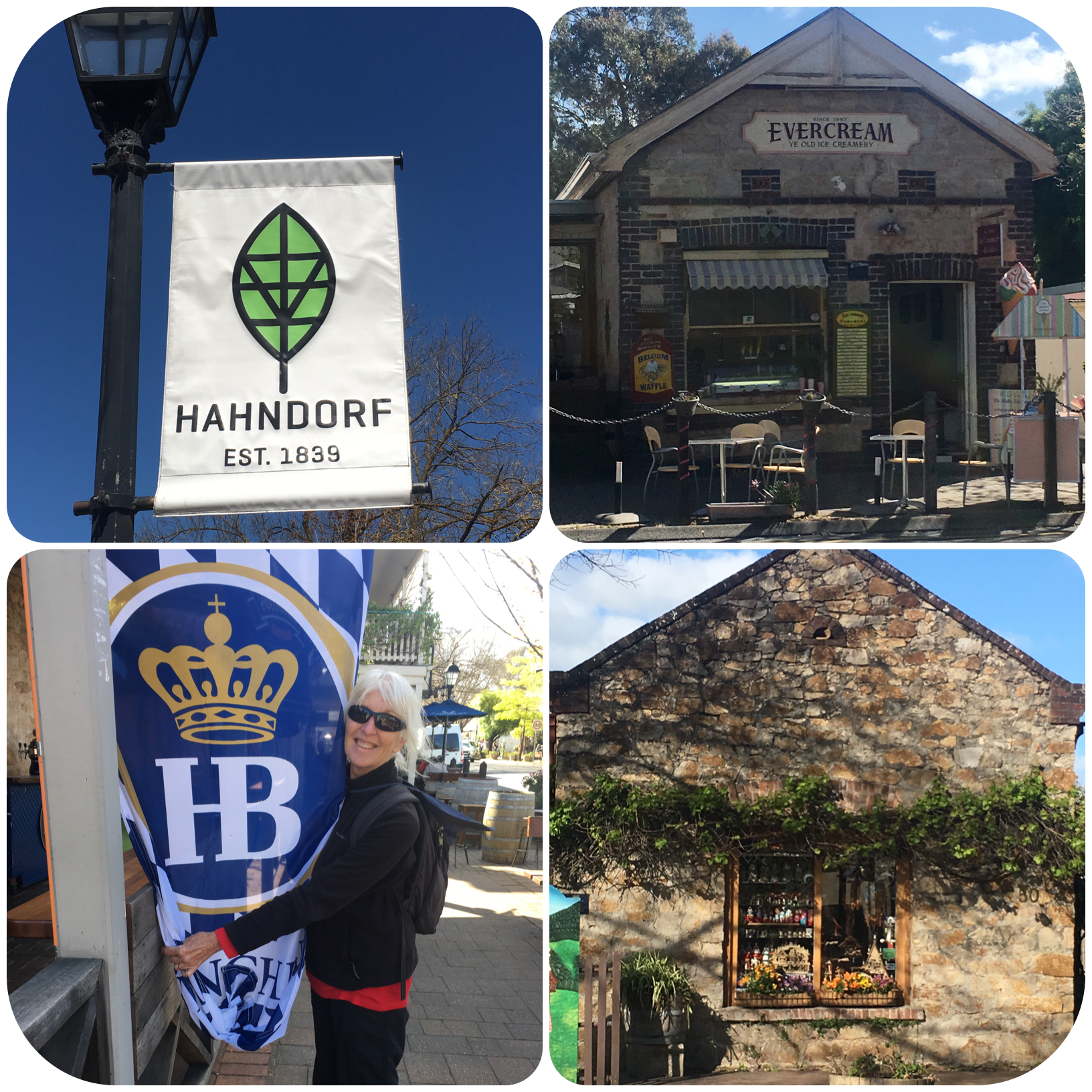
• Nairne, one of many stunning farmland villages set amongst rolling farmland fields reminiscent of the English countryside.
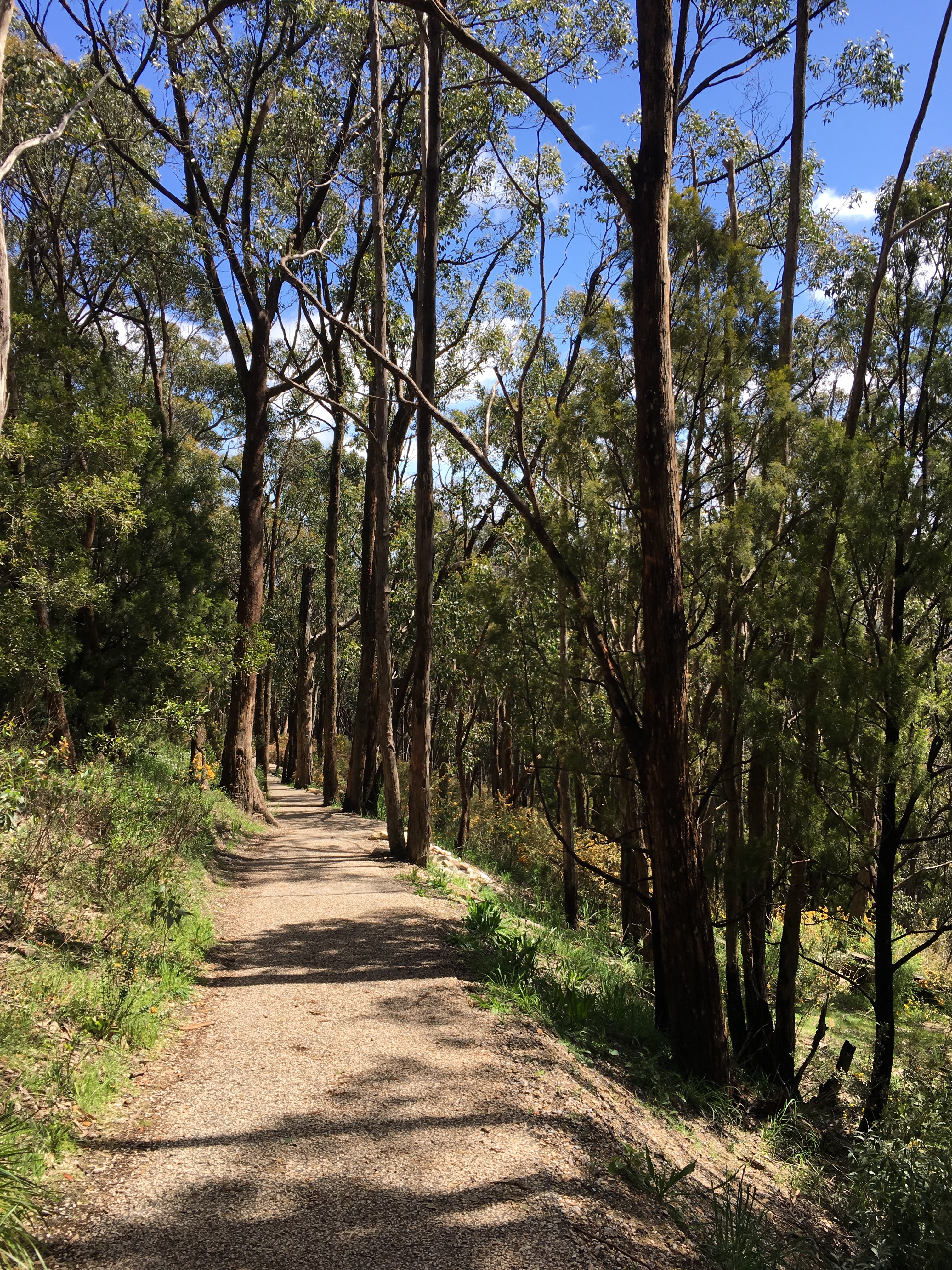
• Mt Lofty Summit, the highest peak in the region at 750m asl with views to Adelaide and the ocean. The Mt Lofty Botanic Gardens set in wild steep hilly bush land showcase beautiful European plants, all in full Spring glory on the day we visited. It’s the only place outside of Britain where we’ve seen fields of bluebells.
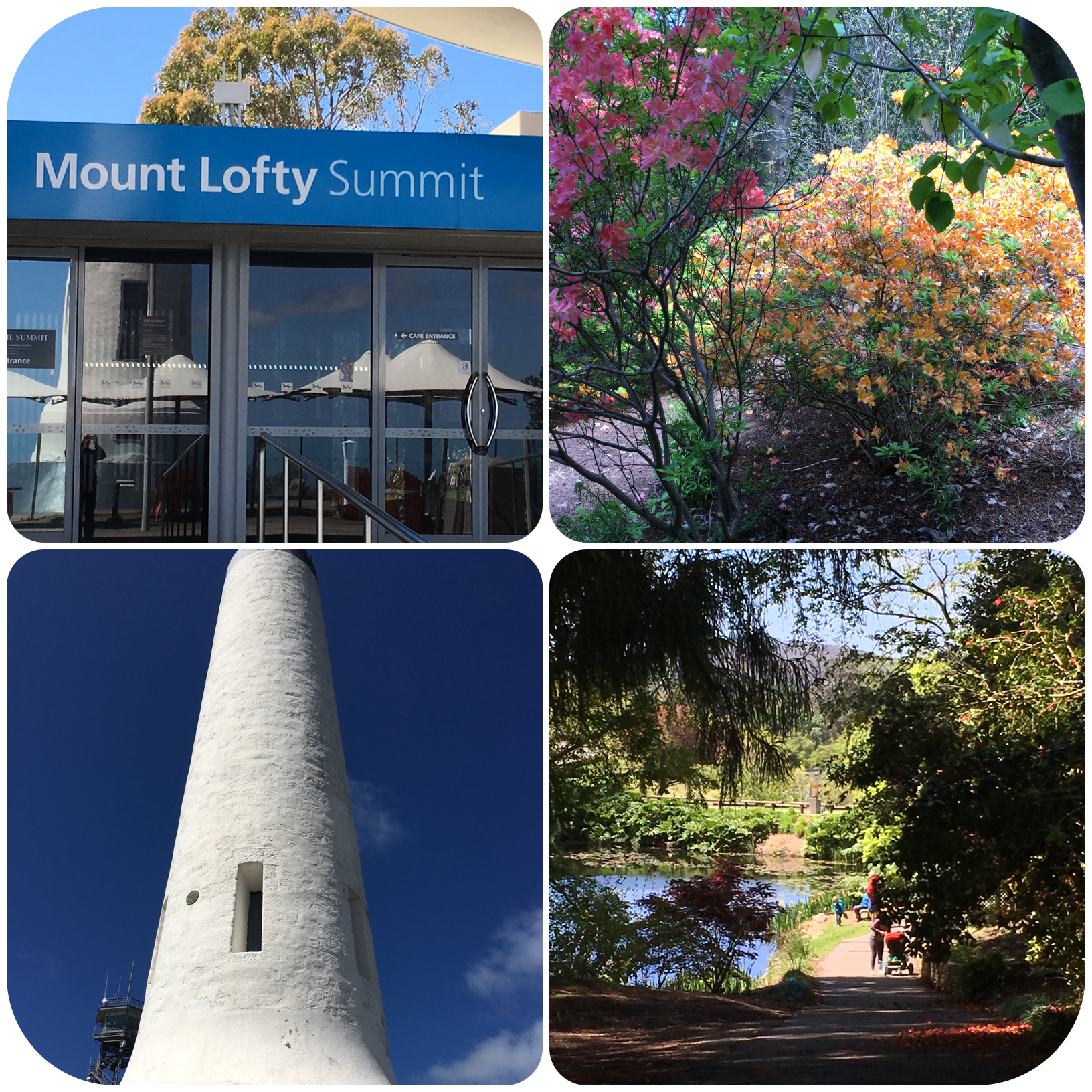
• Mt Barker Summit with 360 degree views of the surrounding Adelaide Hills to Mt Lofty and beyond.
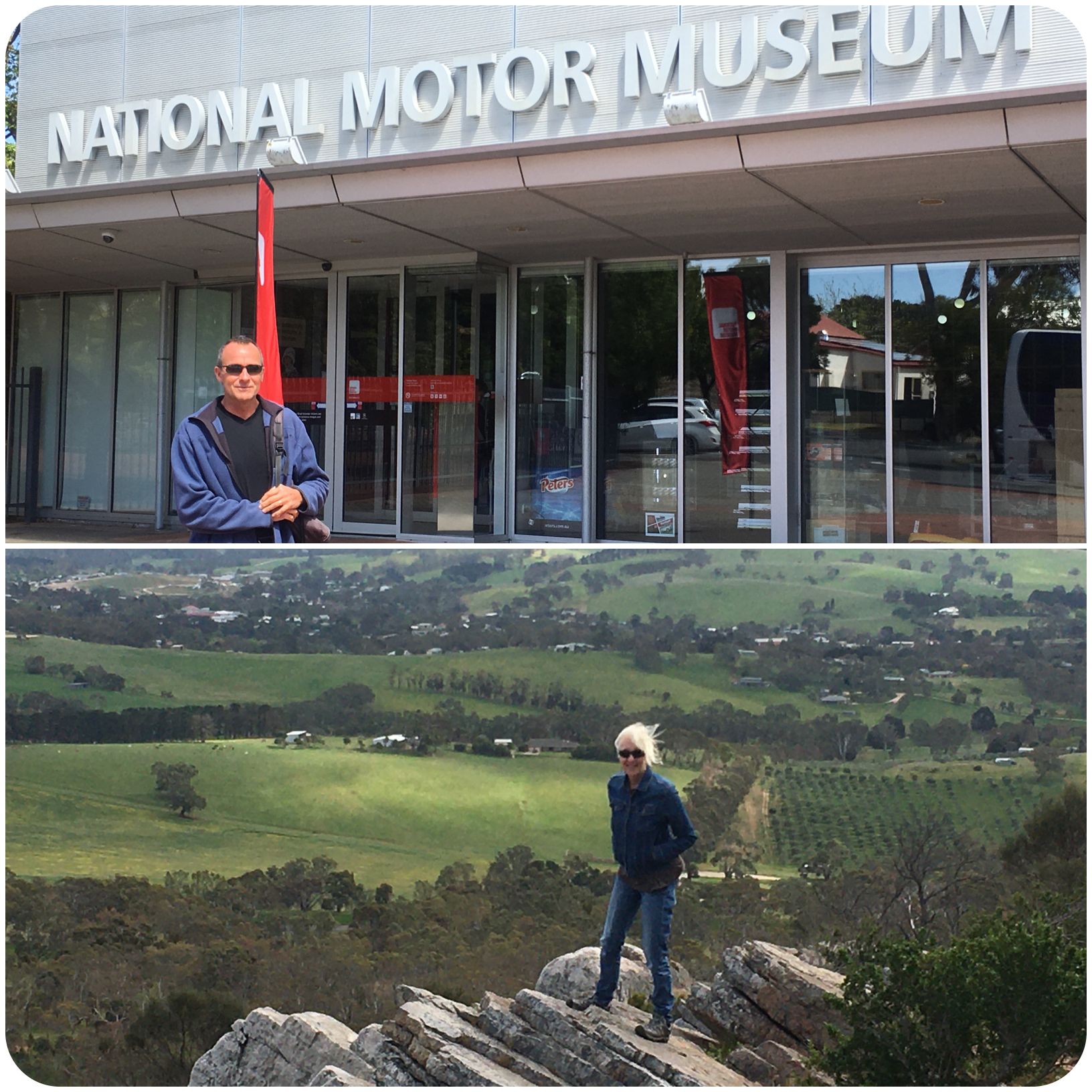
• National Motor Museum, Birdwood – what a hidden treasure! We spent a good part of a day here. Apart from an impressive collection of cars across the ages, there’s informative social histories and displays showcasing the background to, for instance, the Aussie Ute, drive-in theatres, early mail runs though the centre as well as lesser known Australian innovations (fibreglass cars from the 1960s?). There’s enough here to keep even the non-motoring enthusiast, eg Sue, entertained.
Heading South from the Adelaide Hills we stopped briefly at Strathalbyn, a small town that appears to be the antiques capital of Australia. We wandered through several labyrinthine shops and emporiums, with one particular establishment (Strathalbyn Antique Bazaar) being the biggest antique store we’ve ever seen outside of Alfie’s Markets in London. Away from the town’s Main Street we wandered through manicured gardens on a scenic town walk showing off some impressive stone churches.
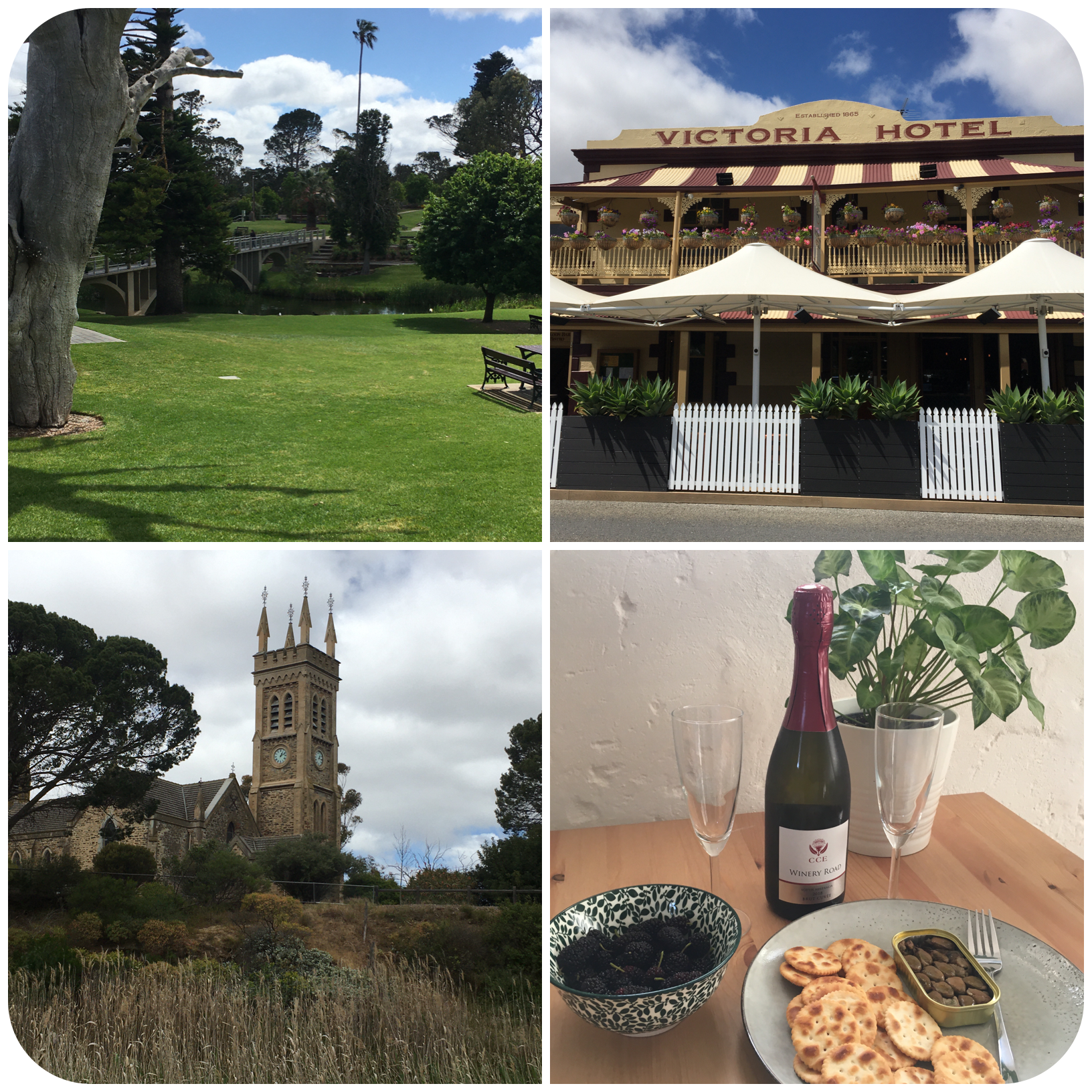
Having already driven to the South-Western tip of the Peninsula to catch our ferry across to Kangaroo Island, we decided to explore the South-Eastern side
• Currency Creek, a small farming/winemaking area en route to the south coast. We stayed for three nights in an old converted stone barn on a family property. Beautifully furnished and very comfortable with original graffiti, some dating back to the 1920s, left on display on the interior whitewashed walls.
• Goolwa, an arty little seaside town and an old trading port.
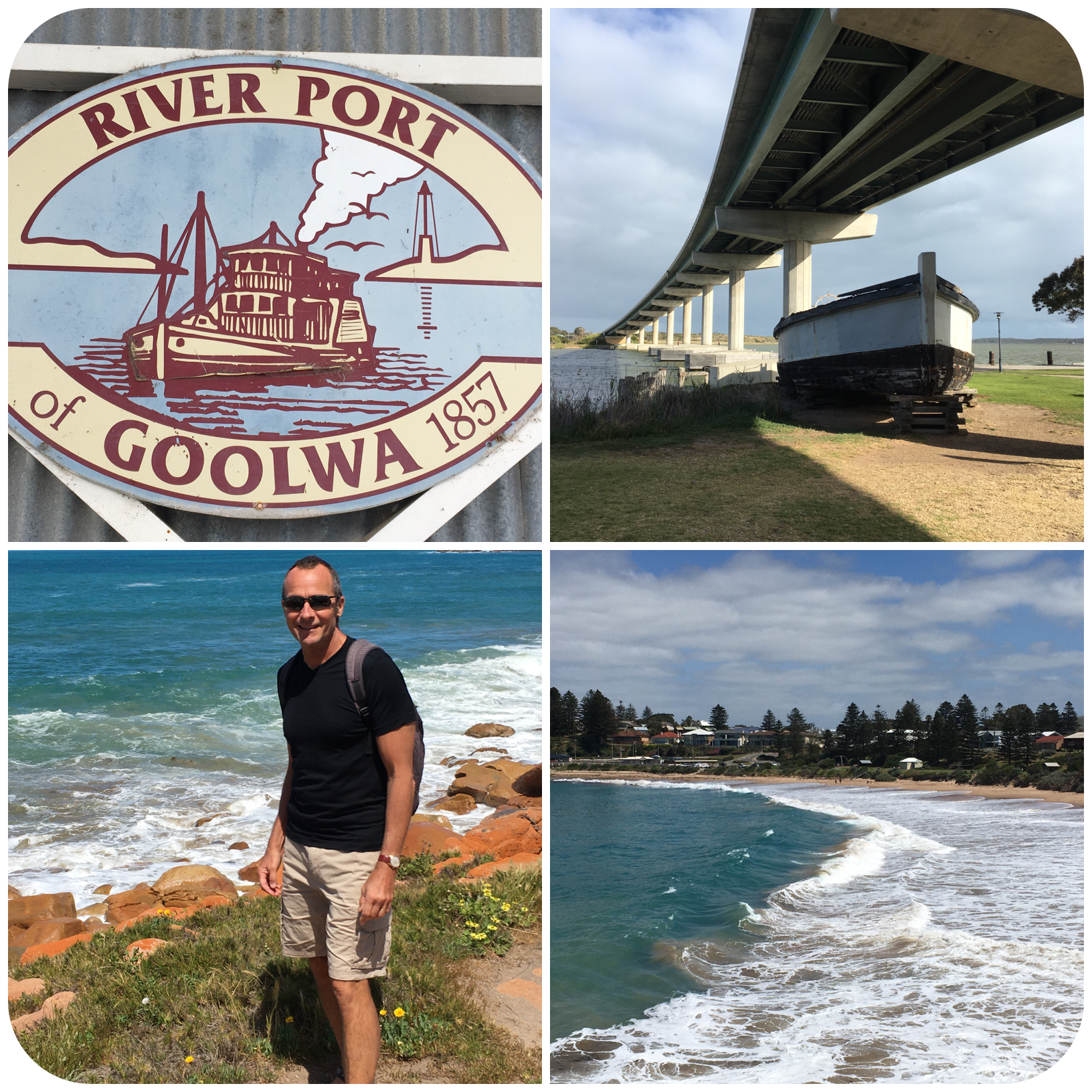
• Hindmarsh Island, accessed by road bridge from Goolwa. A desolate, flat and uninspiring place that reminded us a little of the Norfolk Broads. Murray Mouth, at the end of the island is where Australia’s longest river empties into the ocean in a huge flat sandy estuary.
• Port Elliot, a beautiful seaside town with a rugged rocky coastline and sheltered sand-beached bays. We walked for miles around the lovely headland, on boardwalks, paths and, at times, clambering over rocks lining the shore.
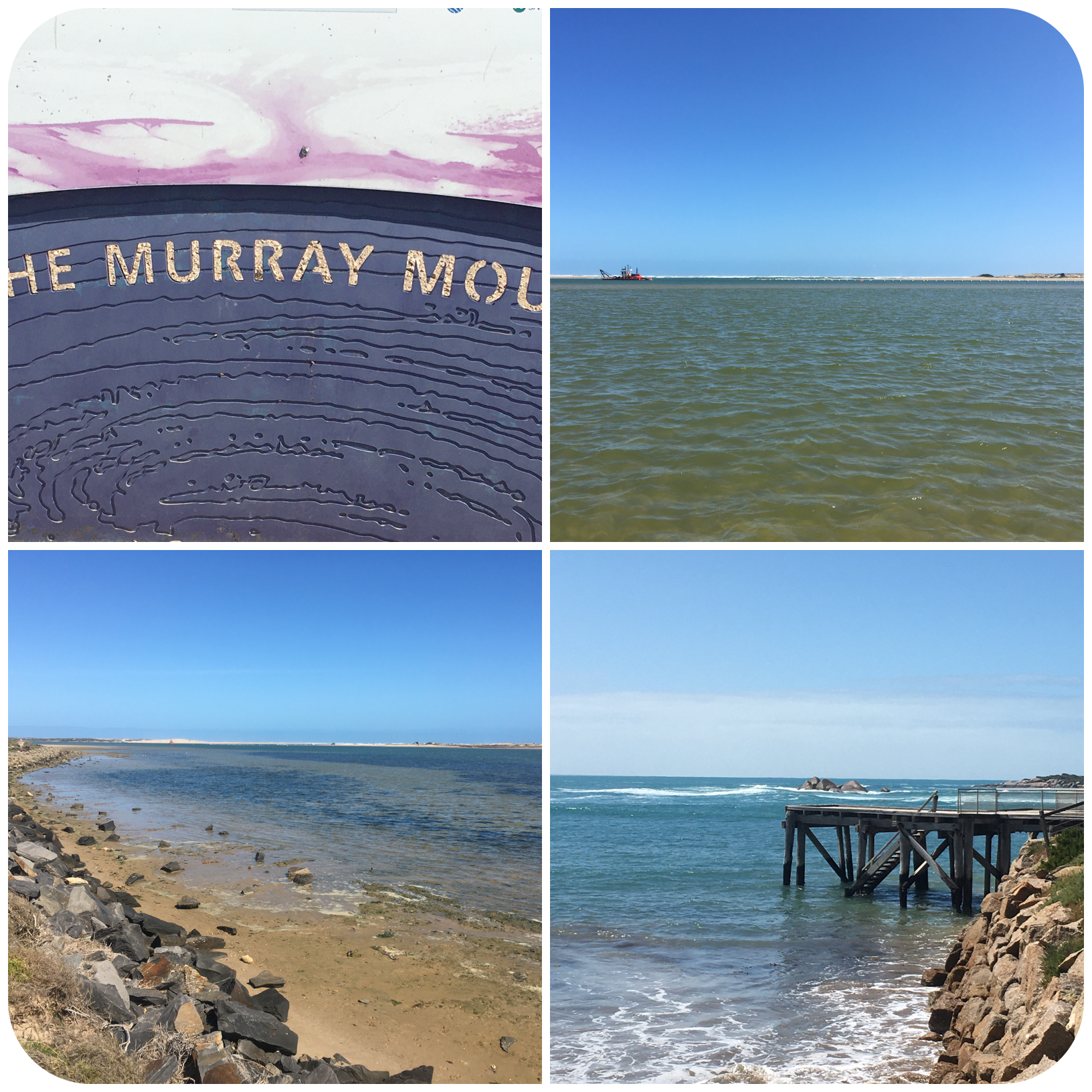
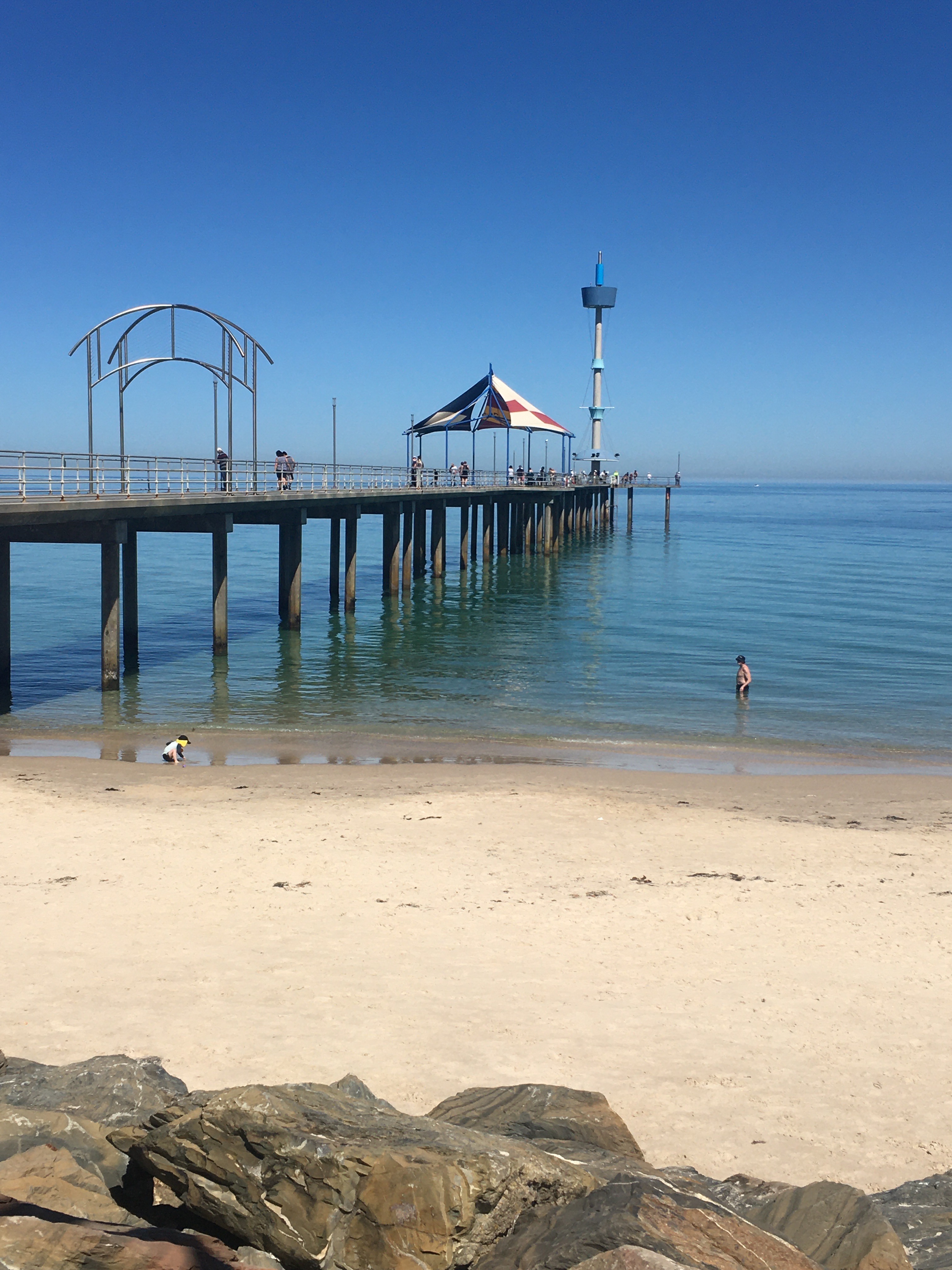
We returned our hire car, with 1,795km more on the clock than when we’d collected it, and ended our SA trip with a three-day seaside holiday at Glenelg, Adelaide’s premier ocean-front suburb. Some of the original grand old stone mansions still stand along the now heavily developed beachfront, reminders of an opulent and privileged history. The weather had continued to improve and warm up over the two weeks we’d been in SA, culminating in a couple of days of perfect beach weather. From our little bolthole in the suburbs, a recently renovated mid-Century flat on a tree-lined street five minutes off the beach by foot, we walked the promenade from Brighton Beach to North Glenelg, swam in the Southern Ocean and basically lazed around on the beach.
The relaxed, laid-back feel of the South Australia we had seen pervaded our last few days, giving us time to reflect. The Piggies’ 60th celebrations had been very special and offered us a memorable introduction to Adelaide’s wine-making culture. Kangaroo Island with Tom & Liz had given us a taste for the wilderness areas, almost on Adelaide’s doorstep. Our two-weeks worth of exploring this tiny corner of Australia had opened our eyes to the stunning scenery, intriguing history and outstanding wine making traditions of the area. South Australia seems to preserve and promote its heritage proudly and effectively, ensuring that visitors like us get a real feel for this highly accessible and delightful area. We returned to Perth refreshed, relaxed, enlightened and ready to tackle whatever adventures our peripatetic retirement lifestyle presents us with next. 
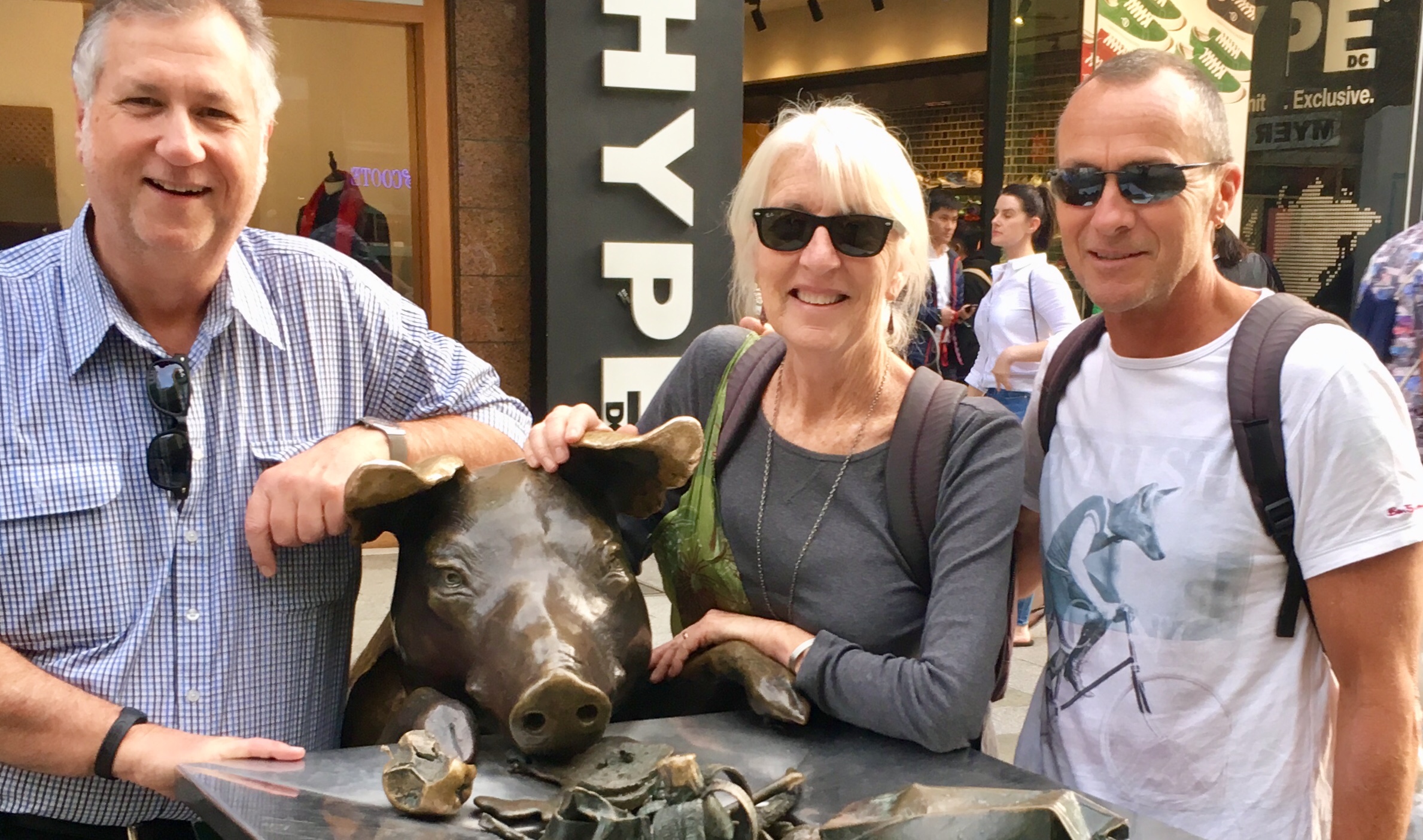
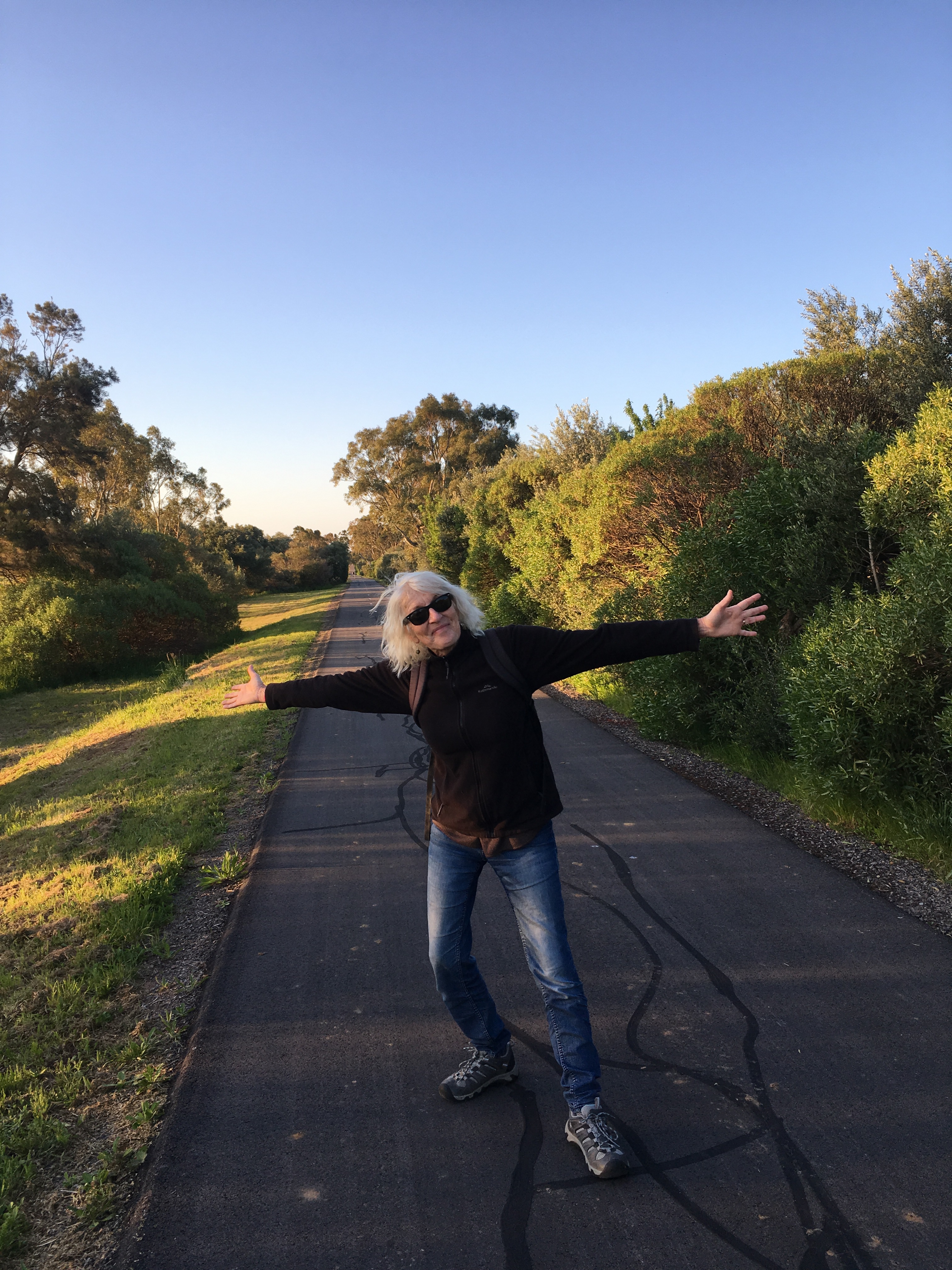
Piggies 60th Celebrations2019 is the Chinese year of the pig. It is also the year that we, along with a whole host of our long-time dear friends, were born. Continuing the tradition of celebrating milestone years together, as we did in Bali back on 2009, we met up with over 30 people in McLaren Vale, South Australia, in late September, for four days of festivities and fun marking the 60th year for many of us. 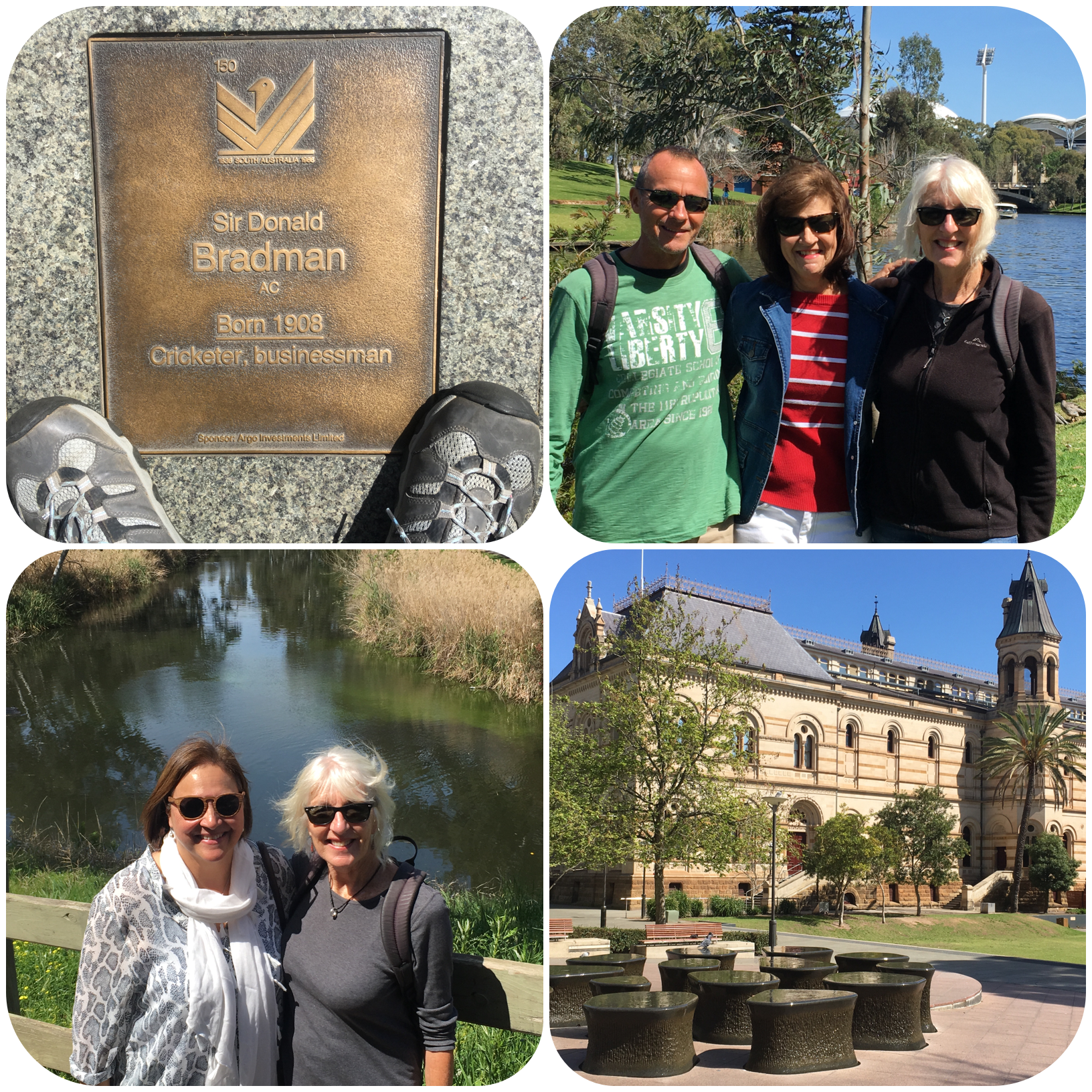
We started our journey in Adelaide where we spent two days with Barb and Dave. Under blue sunny skies we walked the streets and parks of the City of Churches, enjoying not only the lovely old stone buildings that adorn the city centre and the verdant parks and gardens, but also the fresh produce of the Central Market and riding the tram to the beachfront district of Glenelg. Our guide on one of the days was Ros, an ex-neighbour from Mt Lawley who has been living in Adelaide for eight years. Always nice to reconnect with old friends.
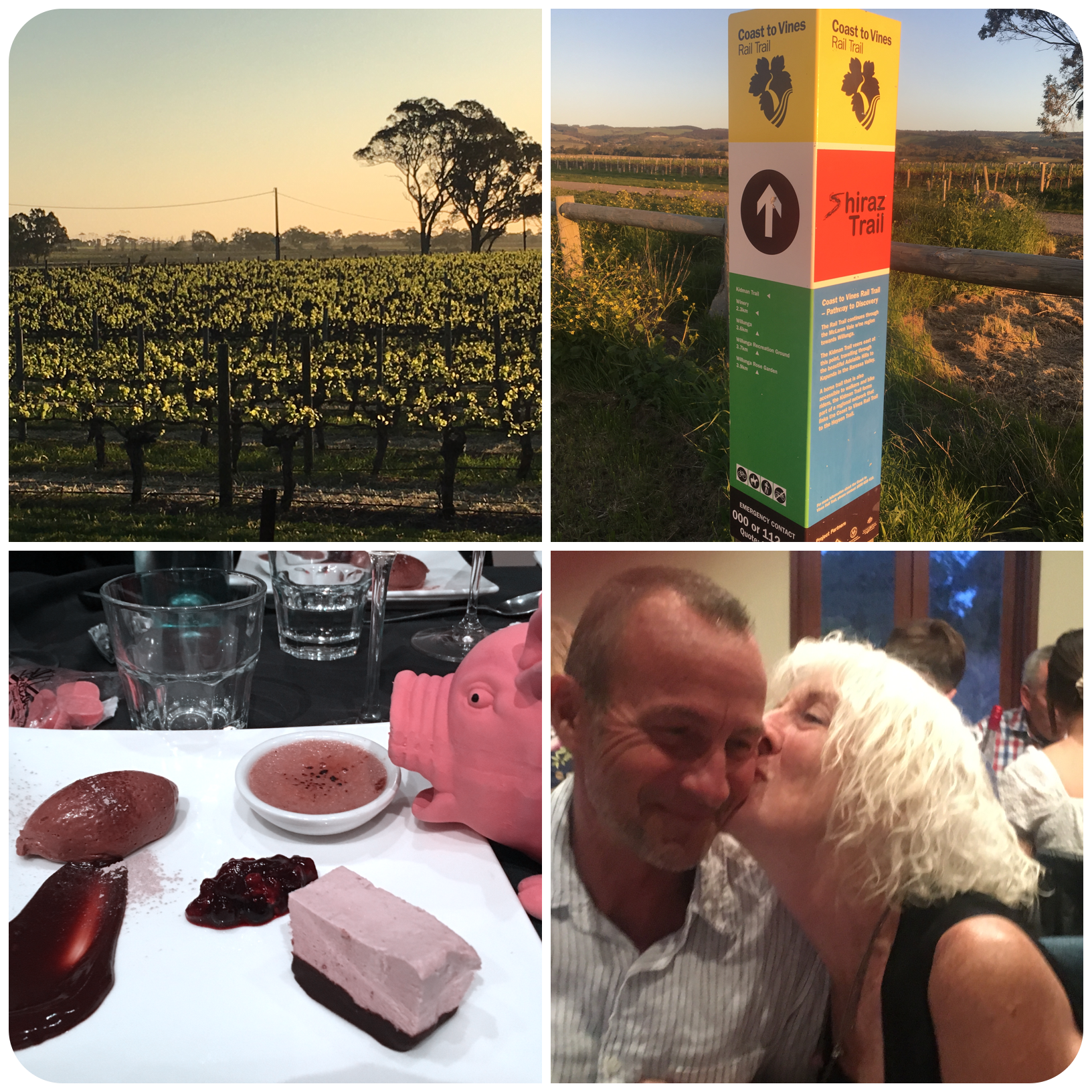
From Adelaide we drove the short distance south to McLaren Vale. Here we met up with our Piggies Celebration troop who had gathered from various locations around Oz and NZ. Our main organiser Jane, ably assisted by Sue, had done us proud with events lined up to keep us entertained over the ensuing four days. From the base of the McLaren Vale Motel where we had commandeered the majority of rooms and suites, we proved that 60 is no barrier to getting out and having a good time. Main events included: • A gourmet wine themed dinner at Shingleback Winery interspersed with speeches and presentations, followed by music and revelry. • A paired cheese and wine tour to several of the regions feature wineries. • A 12km walk or bike ride along the Shiraz Trail to Wilunga for lunch at The Farm. • Four hours of kayaking at Noarlunga, culminating in riding the waves in the open sea at the river mouth. • Improvised BBQ dinners around the communal alfresco dining area.
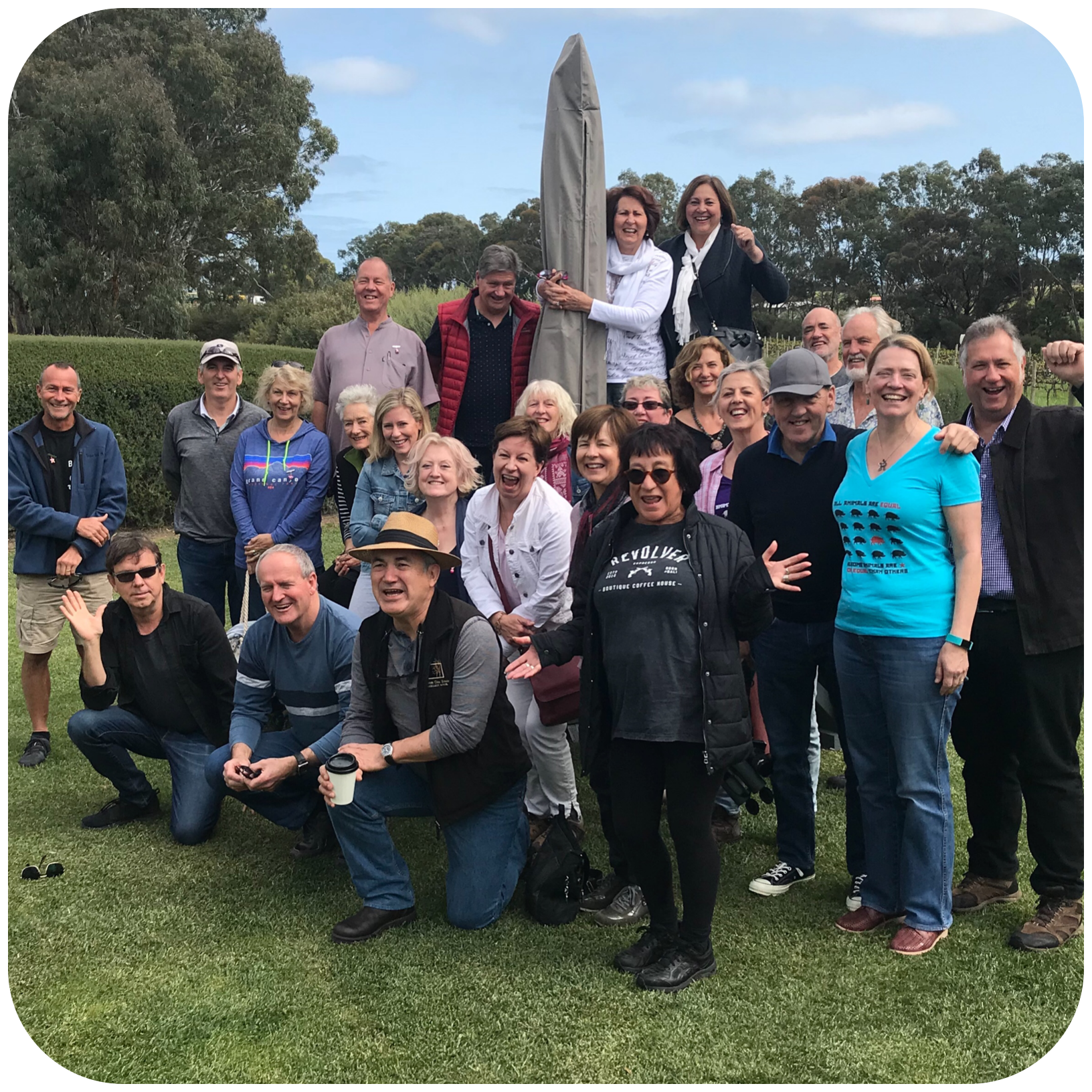
We are social beings with an innate need to belong in a group comprised of like minded people, essentially our own tribe. With connections going back to our school days, many of us who gathered for this special long weekend of celebrations have known each other for well over 40 years. The bonds of friendship and family-like comfort within the group reinforce this primordial need. These wonderfully diverse folk are truly our tribe and when we gather, it is always with joy, love and a strong sense of belonging binding us together. Our 60th birthday celebrations in South Australia certainly lived up to all expectations. Informal discussions are already underway for the next festivities in 2023 – Piggies 65th Celebrations.
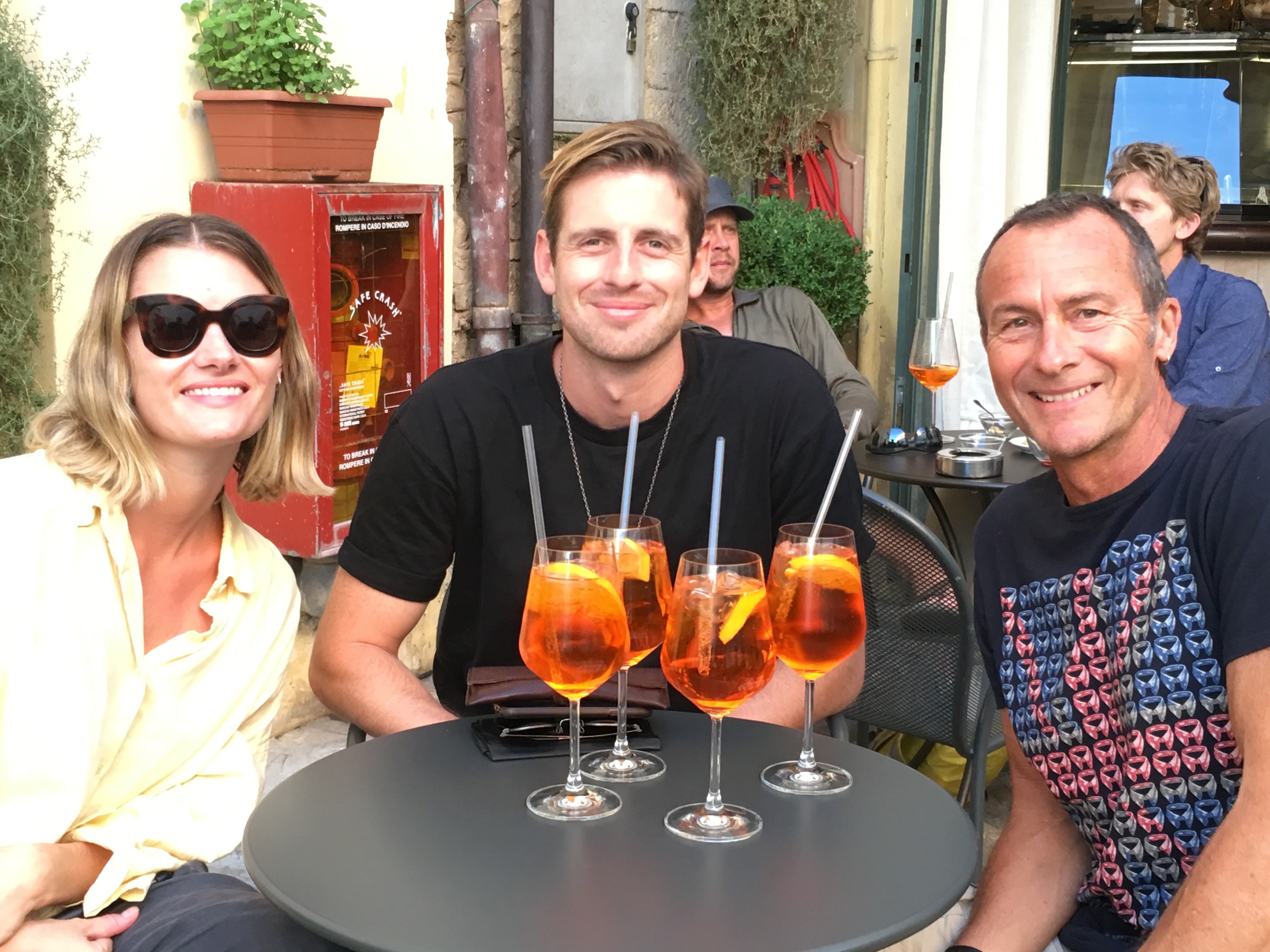
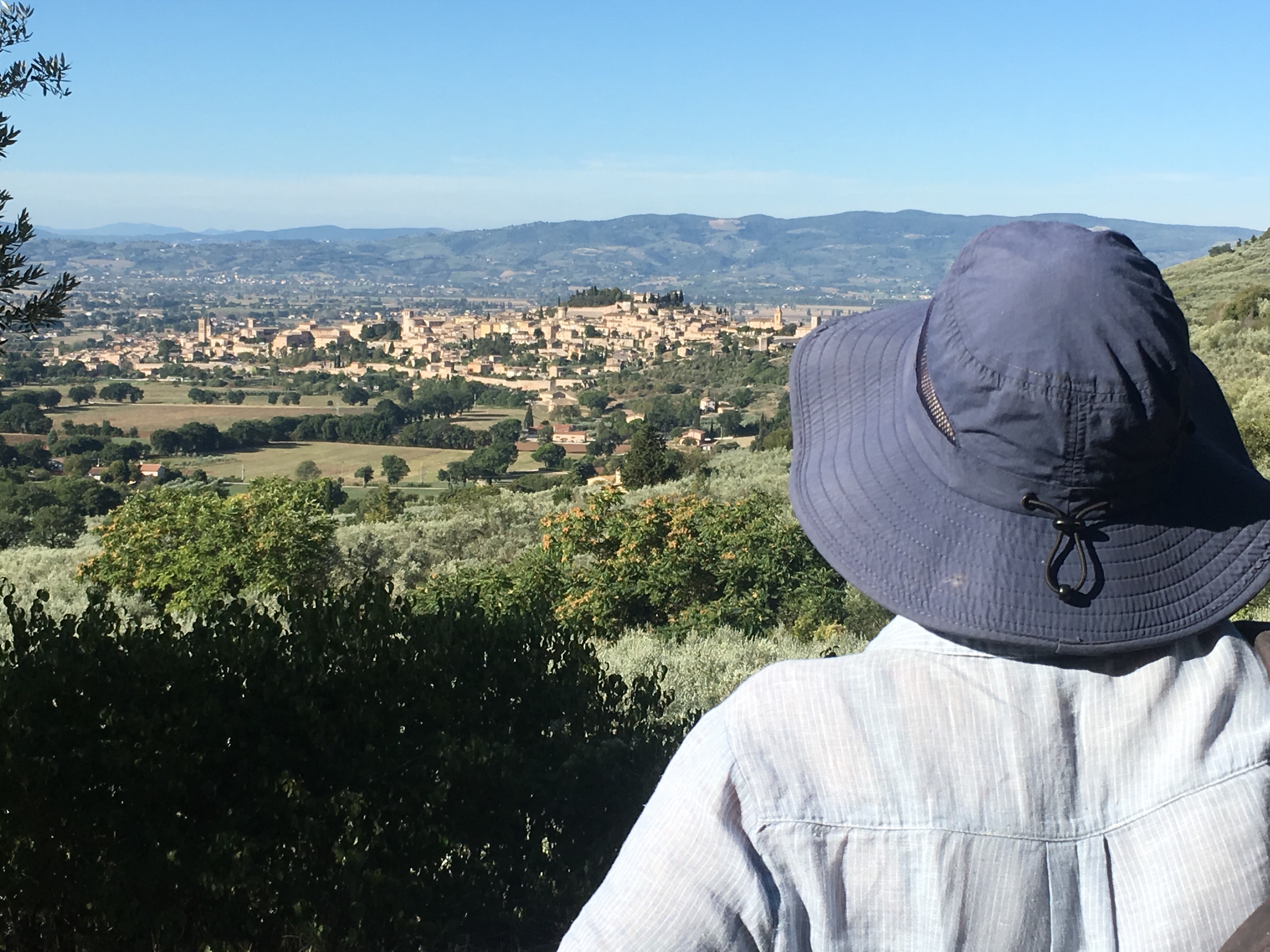
With Chris and Amy in tow, we retraced our steps of four days earlier, catching the local train back to Spello. Aah, beautiful Spello, the ancient hilltop town where the cobbled streets are polished smooth by the passing of many feet, the stones of the buildings whisper their secrets to each other across the narrow laneways that snake through the town centre and the very air crackles with the weight of its history.
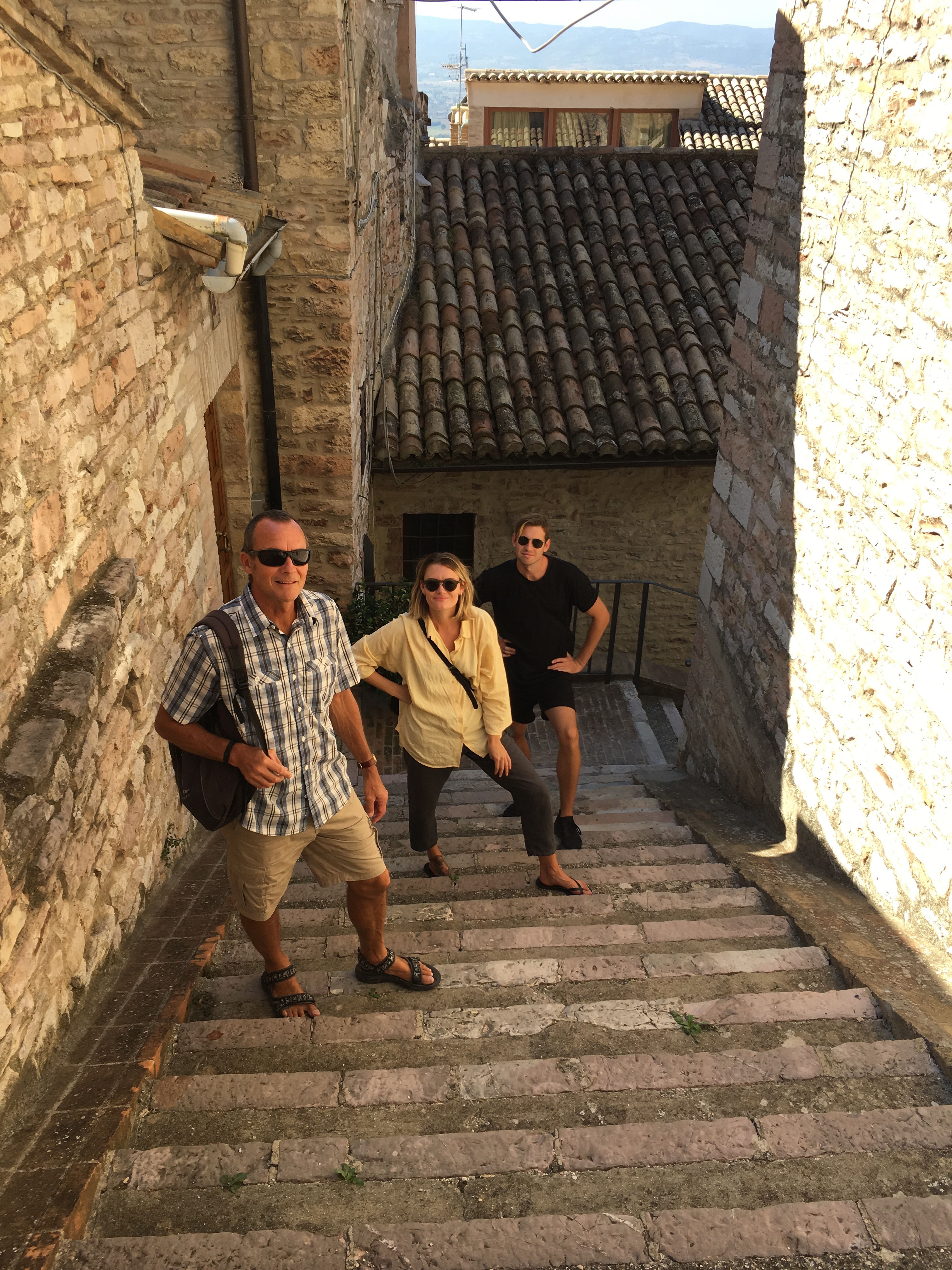
We had hoped that Chris and Amy would share our passion for this special place and over the ensuing days its magic captured their hearts too. We used the time wisely, allowing the now seasoned travellers to unwind, regroup and rest from their busy European Summer schedule that had encompassed many countries, cities, towns and landscapes. Sunset drinks on the terrace became our daily ritual along with slow meandering walks up and down the slopes of the town centre and through the neighbouring olive groves.
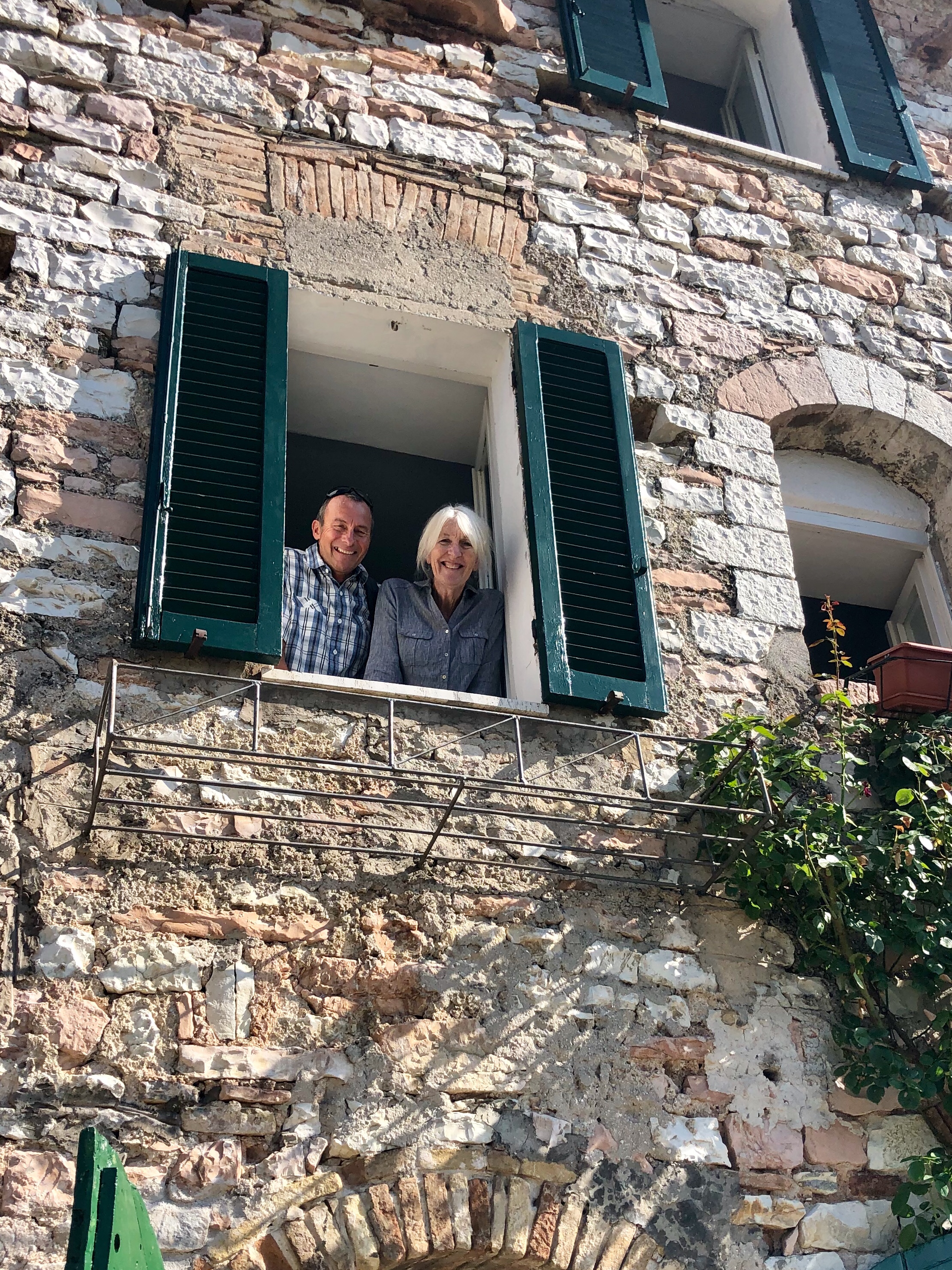
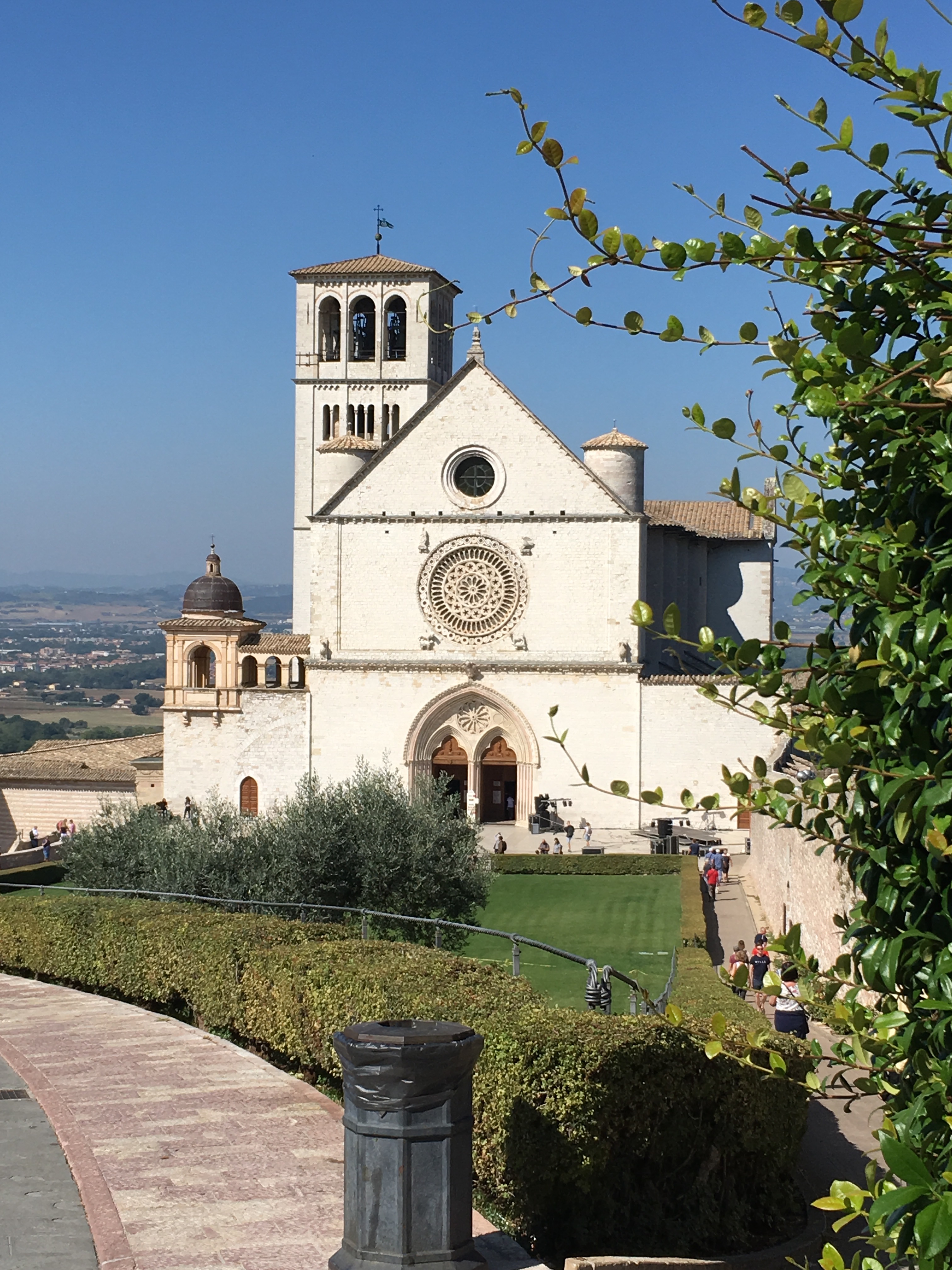
On one day we visited Assisi, the region’s jewel made famous for its stunning St Francis Basilica, a Renaissance architectural masterpiece and a globally popular destination for Catholic pilgrims. Other days were spent gently whiling away time over coffee and pastries, pizza and paninis in the main square, pasta at the cute Ristorante Pinturicchio or cooking at home in our little kitchen.
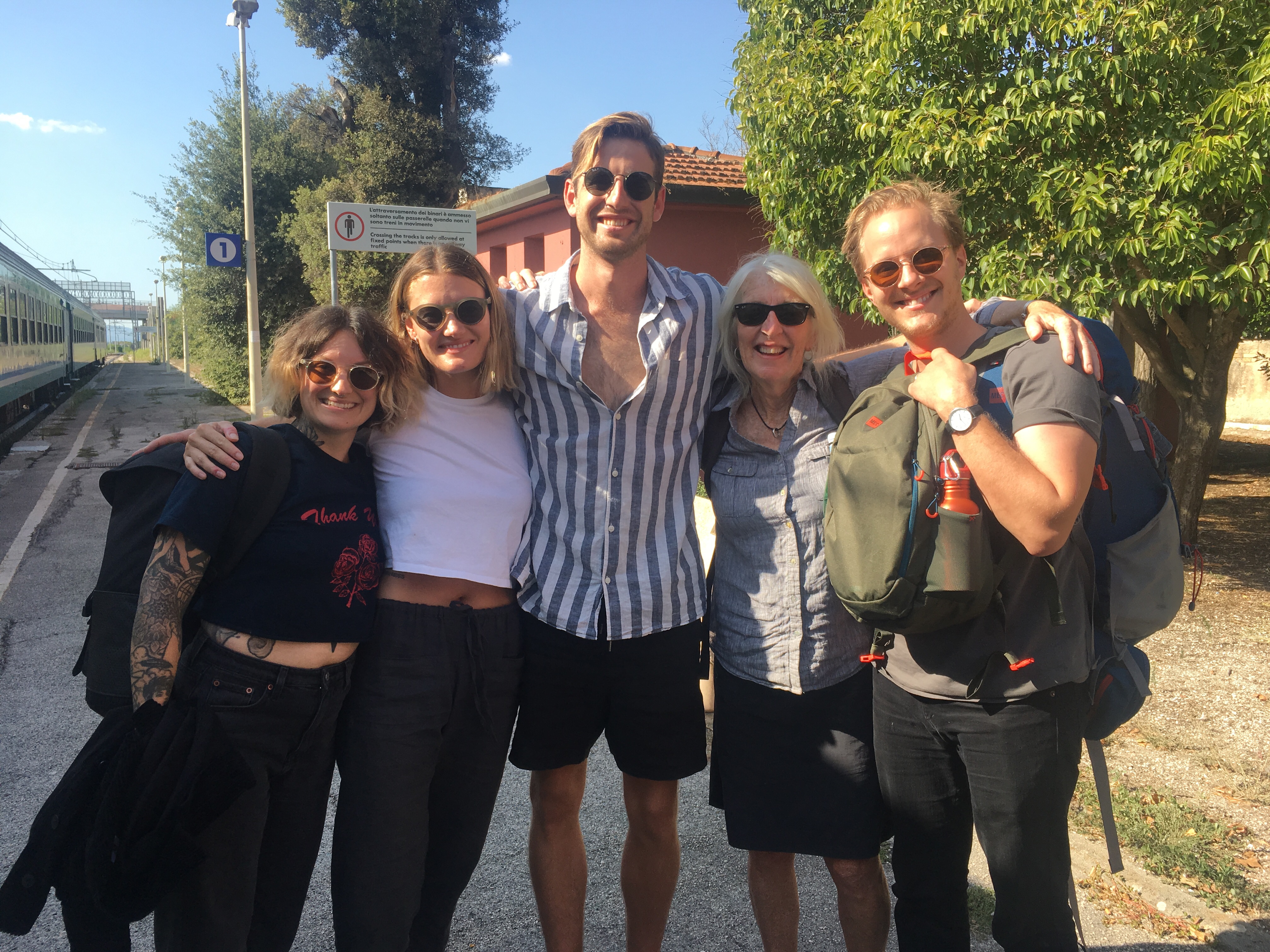
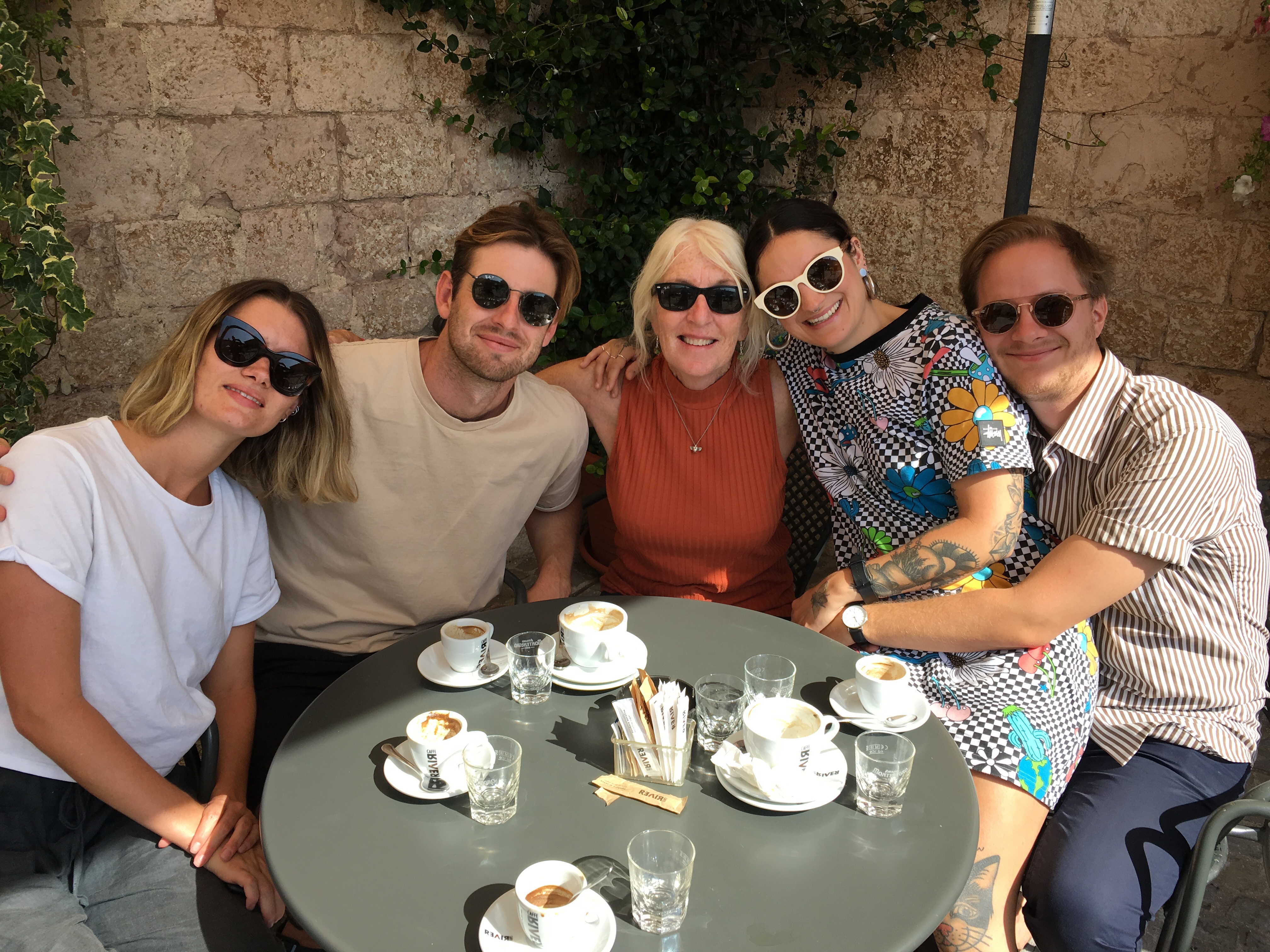
Monday 16 September saw the arrival in Spello of Laura and Patrick from Toronto, who had been attending a wedding in Sicily. They had scheduled in a detour to Spello specifically to meet up with us so that we could all celebrate Sue’s 60th birthday together. And, despite the deceptive familiarity that social media allows, Patrick hadn’t met Chris and Amy in person before. It was, as predicted, a very special and emotional time.
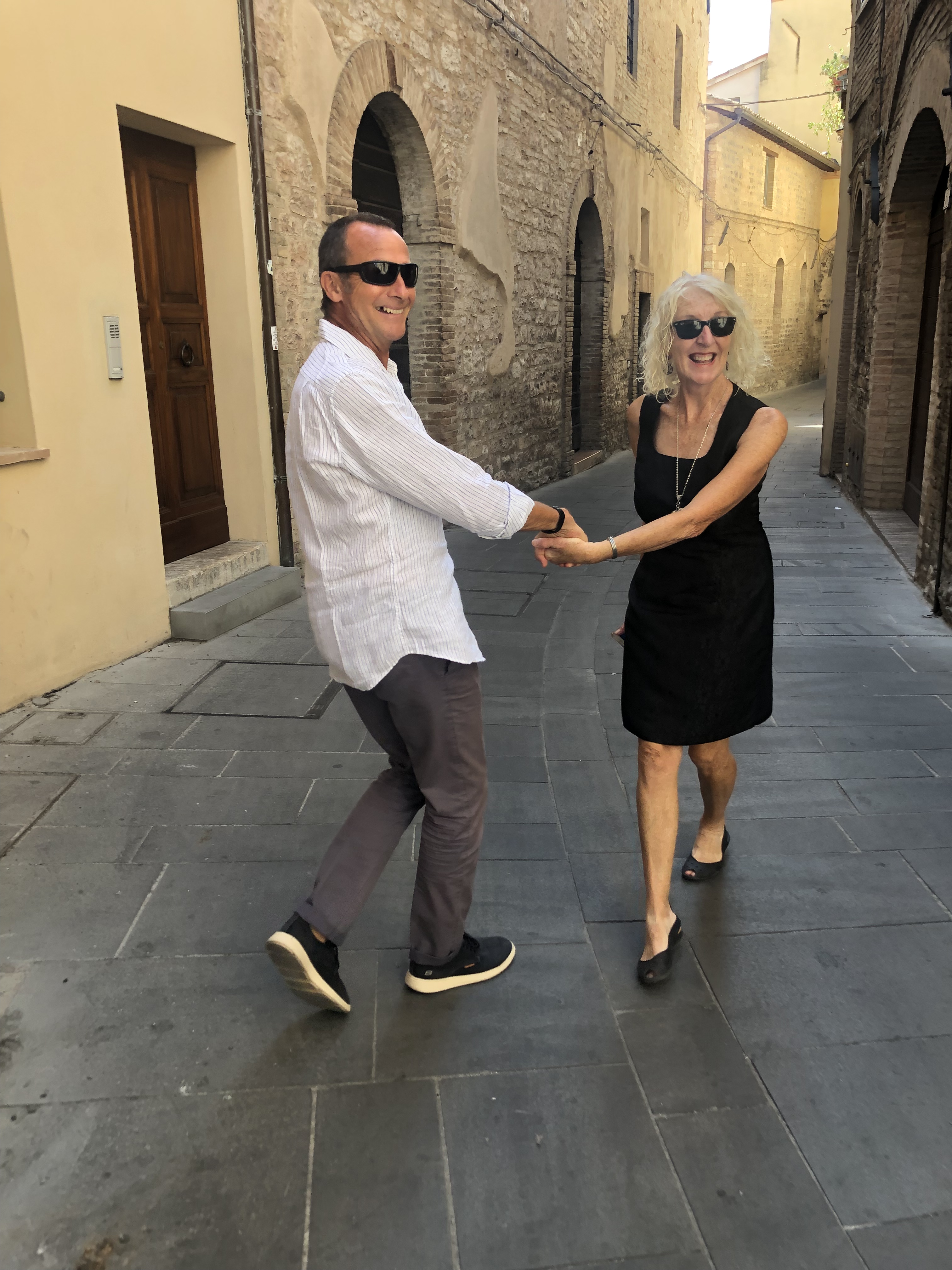
On the big day itself, we celebrated over a long lunch in Spello’s premier osteria, or traditional regional restaurant, La Cantina, on the Main Street. The food and wine were superb, but the company and festive atmosphere were even better. Many toasts to Sue’s continued health and happiness on her milestone birthday punctuated proceedings. The memories of this day and all the others we spent together in our Italian Happy Place will live long into the future.
All too soon it was over and we were saying our goodbyes as we alighted the bus in the Borgo, en route to Perugia airport, leaving the two young couples to spend their final day together in Spello. Touching down later that day at Stansted, we took a local bus on a one-hour scenic tour of North Essex to Chelmsford. The sun was shining on a beautiful warm autumn day and as we journeyed slowly past green rolling farmlands and through cute little country villages, we felt at home once more in England, our England. This, coupled with memories of the past three months filling our thoughts, found us considering our blessings far too numerous to count.
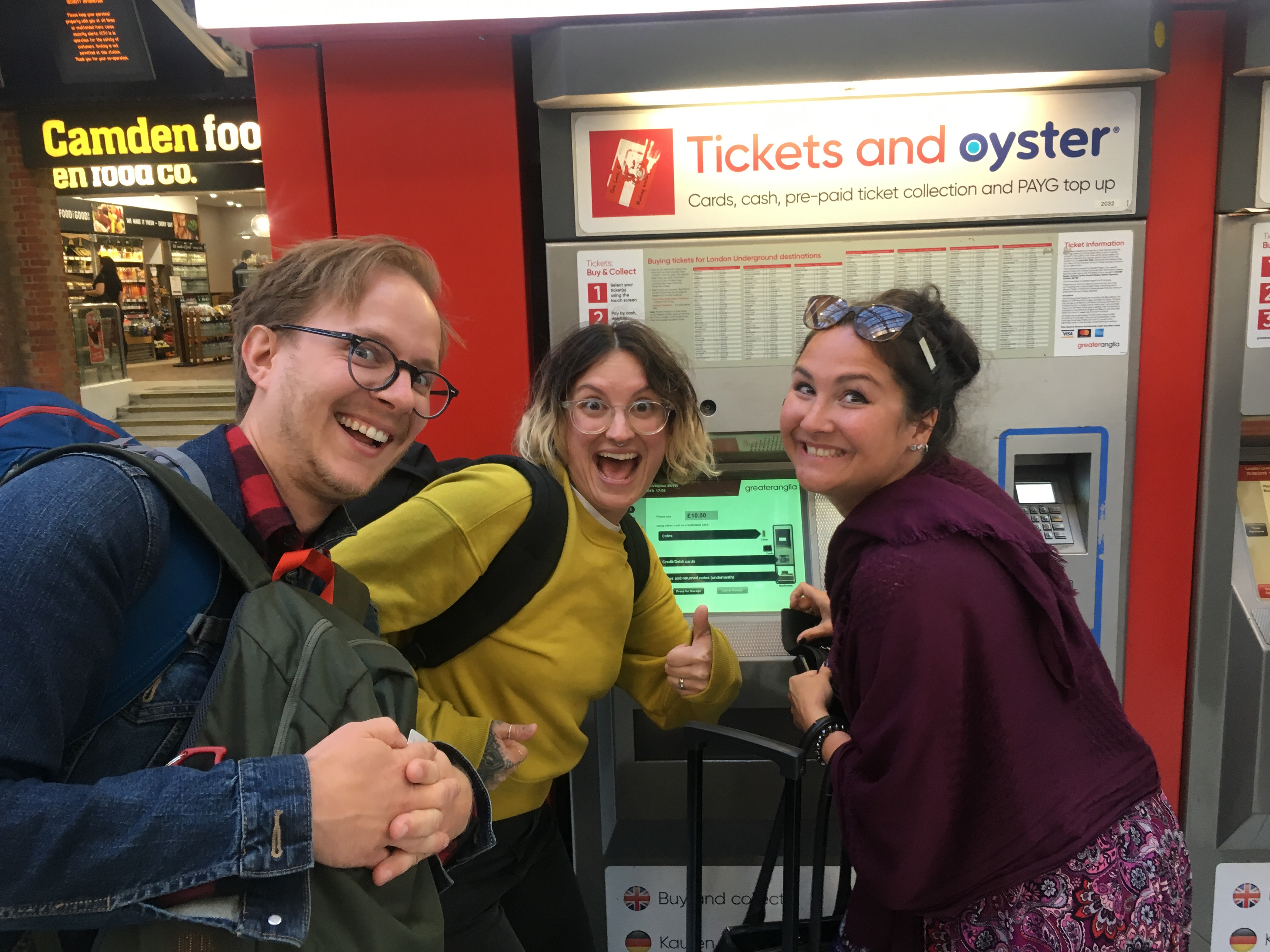
We stayed the night with Mark in Great Baddow, unfortunately missing Nicky who was on a two-day overnight training course (very bad timing), and the next day we were back in London en route to Heathrow. The final chapter of our trip involved meeting up with Amy G, who caught a train from Nottingham, and Laura & Patrick, who flew in from Perugia. At Hamilton Hall, the Wetherspoon pub at Liverpool Street Station, we sat together chatting and laughing over stories and reminiscences. For Amy it was an opportunity to see Laura and Patrick for the first time in three years. They would hang out in London for the rest of that day and the next. For us, it was a chance for a last minute farewell, a stoic scene as we set off in different directions to our separate underground train lines, us towards Heathrow and them towards Croydon. Later that evening we were on a Malaysia Airlines plane bound for Perth via KL.
Now we are home, if only for four days before our greatly anticipated Piggies 60th celebrations in South Australia, where we will gather with a whole bunch of good friends, many of whom share our 1959 birth year. As with every homecoming following an extended overseas trip, we quickly slipped back into the familiarity and comfort of Perth life in glorious Springtime weather. The events, people and places of the preceding 14 weeks are very real and yet tinged with a sense of the surreal. Were we really half-way round the world in an ancient Romanesque/Renaissance village with our family celebrating Sue’s milestone 60th just four days ago? Did we really stay for a month in Devon and walk over 100 miles of the coast in June, a mere three months earlier? Was it only in July that we wandered around Medina, the old capital city in Central Malta?
Our lives feel bifurcated, one in Perth and one on the road somewhere else in the world. Both are very real when we are living them and yet clouded in memories that dim over time when we are not. Is this what retirement will represent for us now and into the foreseeable future and if so, how have we managed to be so fortunate to have such a privilege? There is no answer to the unfathomable. Perhaps the best response is – BRING IT ON!
Leaving England we set forth once more to Spello in Umbria. Here we spent several days at Casa Rutherford, doing a few odd jobs around the place and just relaxing in the old town centre.
September 1 signalled the end of Summer and the first day of Autumn. In the brief period of time since we were in Spello with Stephen and Sima the weather had changed to become cooler at night with the days drawing in. It was still warm during the day, however, so on the Wednesday, with a forecast high of 30C, we decided to visit the swimming pool at Casa Mia in the Borgo for a cooling dip. The best laid plans of mice and men…Ten years ago whilst in Russia on our Trans-Siberian adventure, we coined the phrase “Nyet Days”. These are the days when nothing goes according to plan and every attempt to achieve success is met with stout resistance. Our pool day in Spello was such a day.
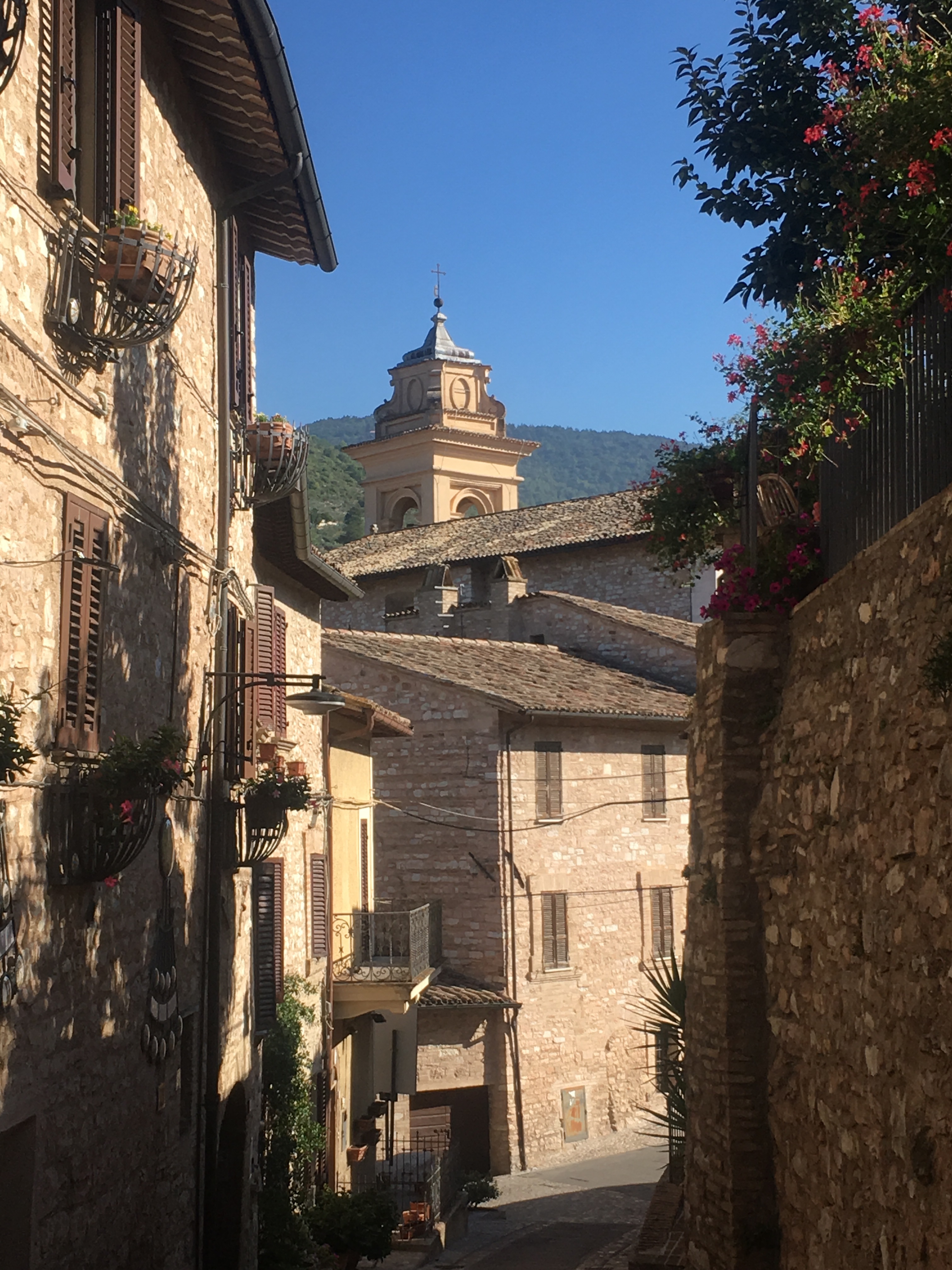
Casa Mia is a smart restaurant serving inexpensive Japanese sushi as well as a traditional Italian buffet. It has a beautiful shady swimming pool with loungers available for the use of its customers.
Stephen had previously introduced us to this gem which is much nicer than the local public pool. The down side is that Casa Mia is weirdly located in the industrial area on the outskirts, a 45-minute walk from Spello. Arriving hot and dusty from our walk through the industrial estate, we were informed that the pool was closed (of course, we were five days into autumn).
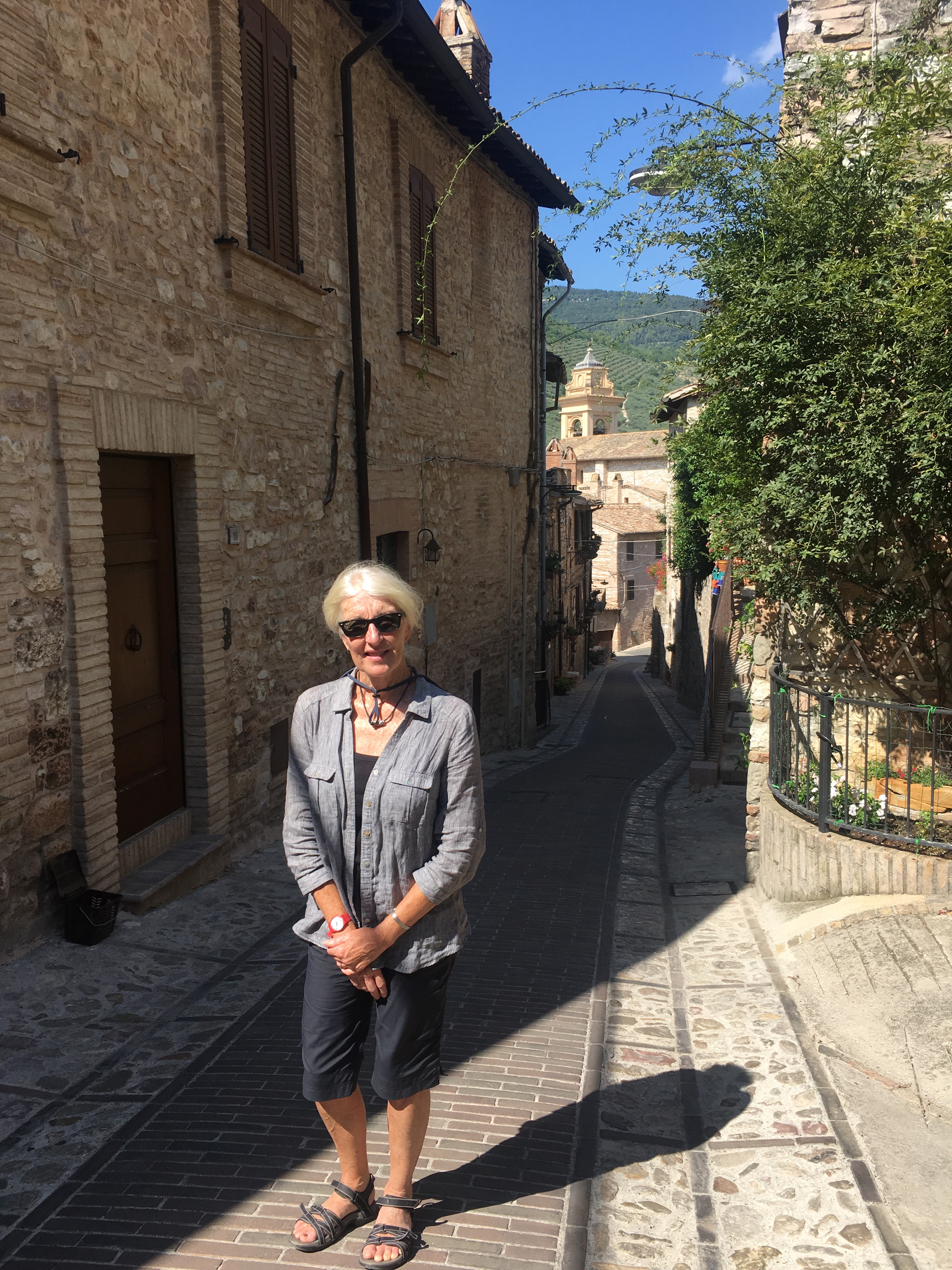
Not to be thwarted, we decided to retrace our steps back towards town and the local piscina. This pool, however, requires bathers to wear swimming caps, as we found out on our last visit in 2018. Fortunately there is a comprehensive hardware shop in the industrial estate that sells swimming caps (an essential hardware item, evidently). Unfortunately, it was closed, this being lunchtime when many shops and businesses close their doors for siesta. Undaunted, we sallied forth to the public pool, chancing that we could hire swimming caps, or simply play the ignorant tourists.
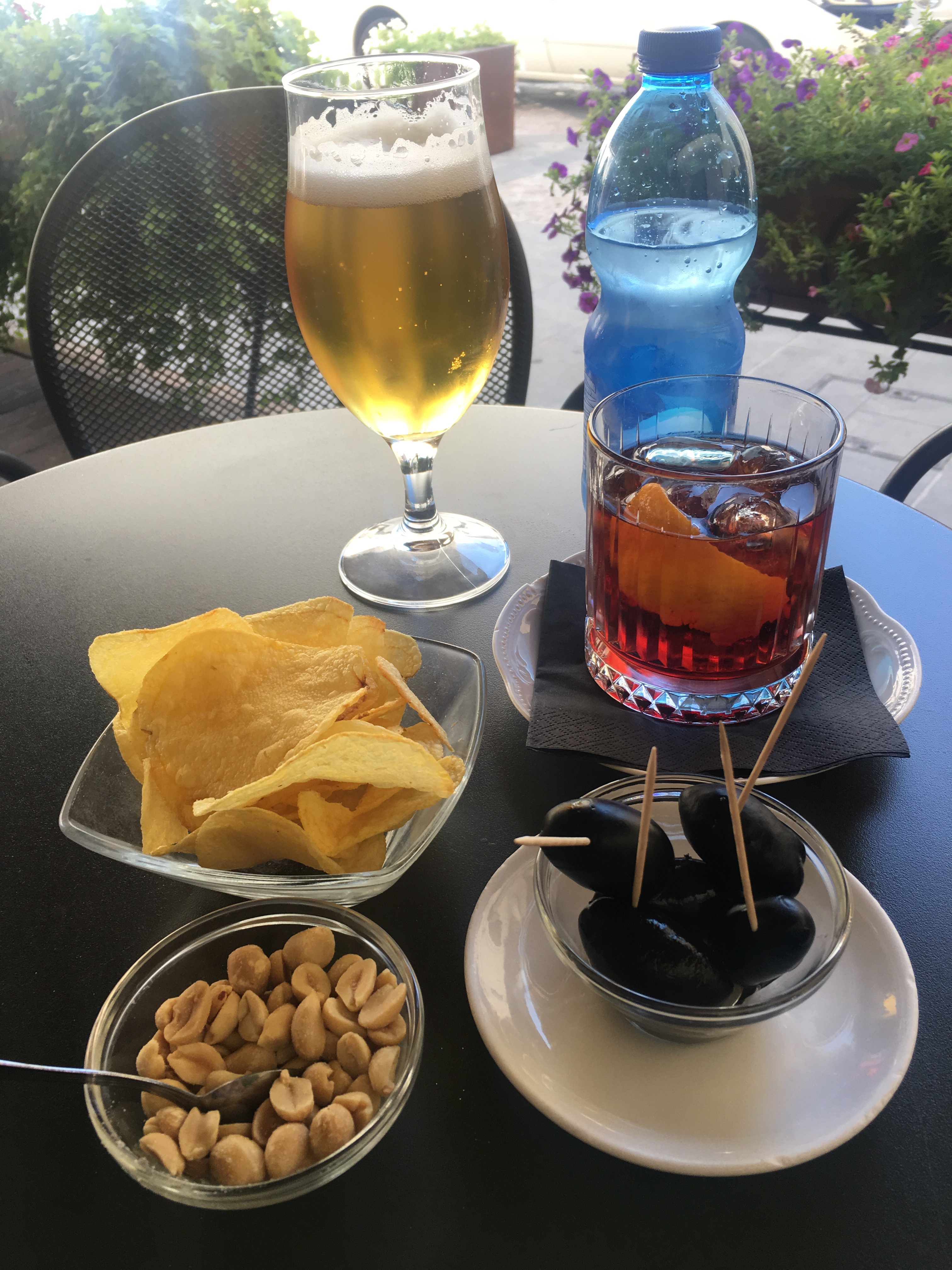
Arriving by now much hotter, sweatier, hungrier and more tired than when we set out earlier that day, we were forgetting one important factor – despite the heat, it wasn’t Summer, so the pool was closed. At this point we gave up, dragged ourselves back up the hill in the old town and sat at Bar Tullia drinking beer and Negroni and eating the tasty array of free bar snacks served with their overpriced drinks. Lesson learned? Never presume. At least not until next time.
For days leading up to our second Spello sojourn the excitement had been building in the Clapmack camp. Chris and Amy Ester, who had left Perth in late April to begin their 12 month travel adventure, were in Bologna, the capital city of the neighbouring province of Emilia-Romagna. Our plans were to meet up in Florence, Tuscany, mid-way between Spello and Bologna, hang out together for four days in an Air BnB apartment, then all return to Spello.
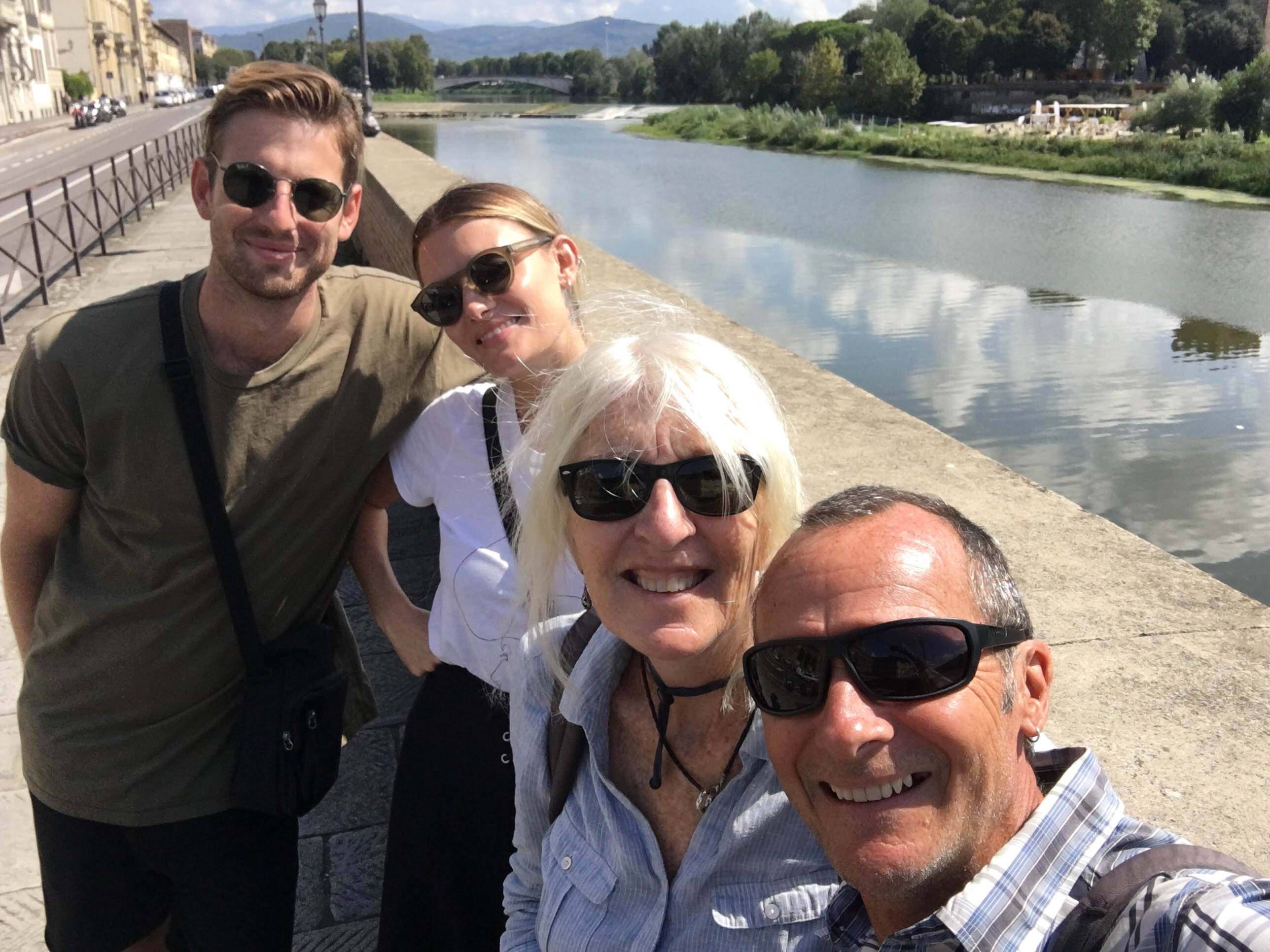
We arrived by train in central Florence on an overcast morning and 45 minutes later, as the skies darkened, dumping rain and hail on the city, Chris and Amy arrived for a very happy, if somewhat bedraggled, reunion. Their adventures had taken them to the UK and Ireland, Iceland, Croatia, Albania, Montenegro, Greece and Italy, so we had lots of travel tales to share.
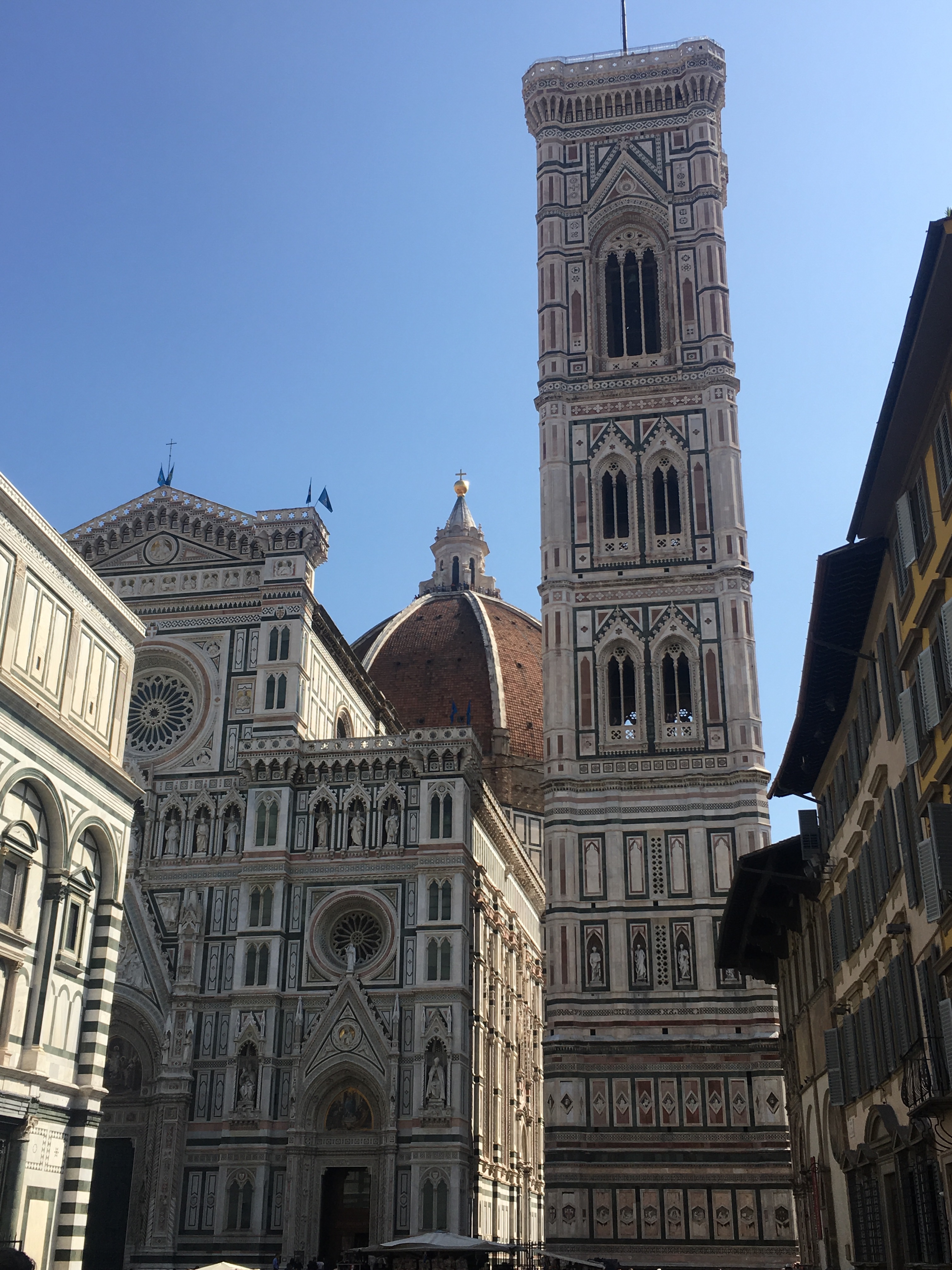
We decamped to our temporary home on the outskirts of central Florence, raided the local Co-op for essential supplies, then spent a delightful few days cooking, eating, drinking and talking. We are quite comfortable and satisfied with our own company but it is such a treat and a privilege to re-connect with our own again whilst on the move.
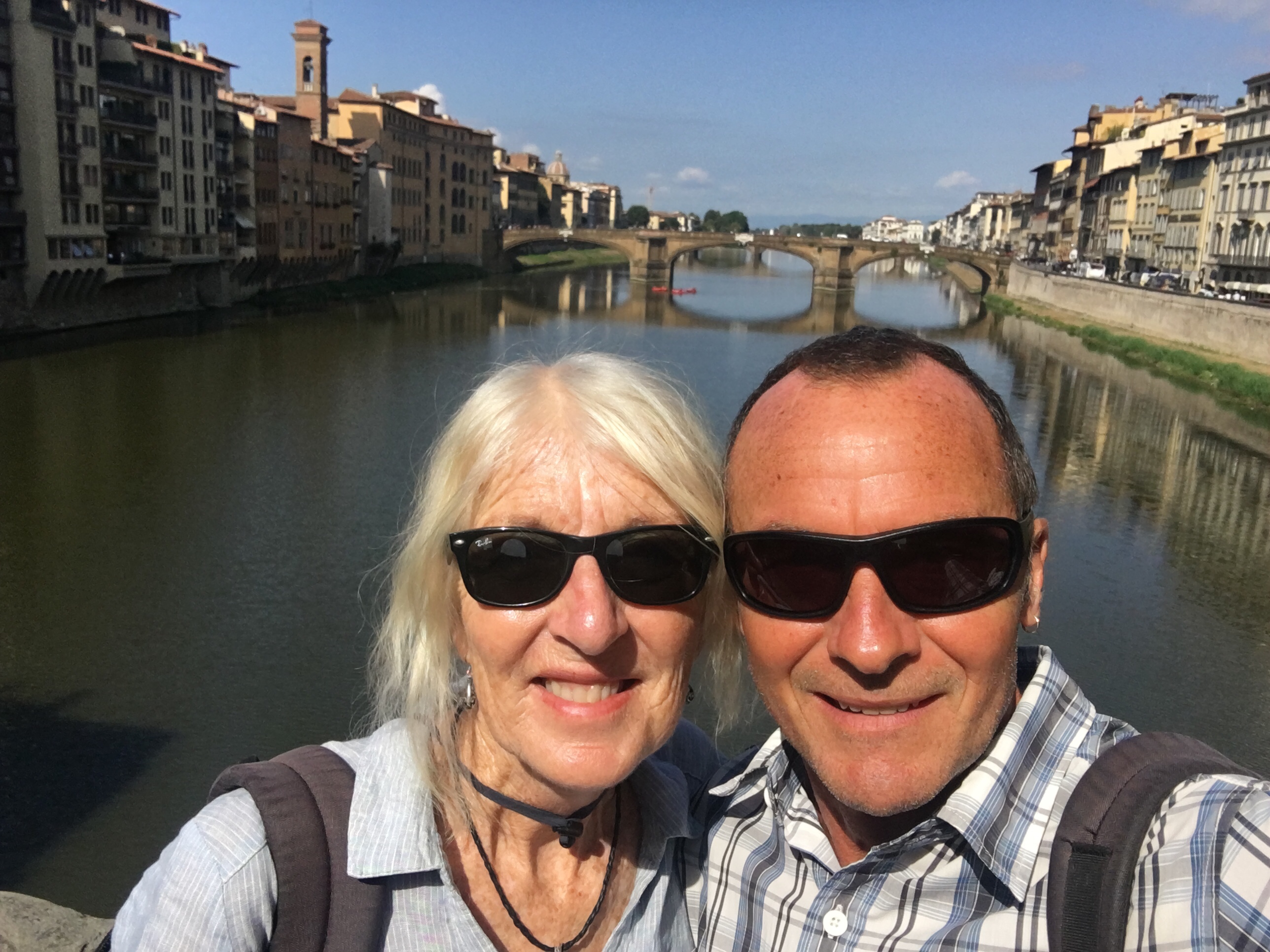
Contented though we were to simply stay in our spacious Air BnB apartment and continue our family “love-in”, we were, after all, in Florence, one of the world’s great romantic cities, and it demanded our attention. So each day we wandered the 3km along the banks of the River Arno into the centre of this remarkable Tuscan city, the powerhouse of the Renaissance and home to the most extensive collection of Renaissance art and buildings anywhere in the world.
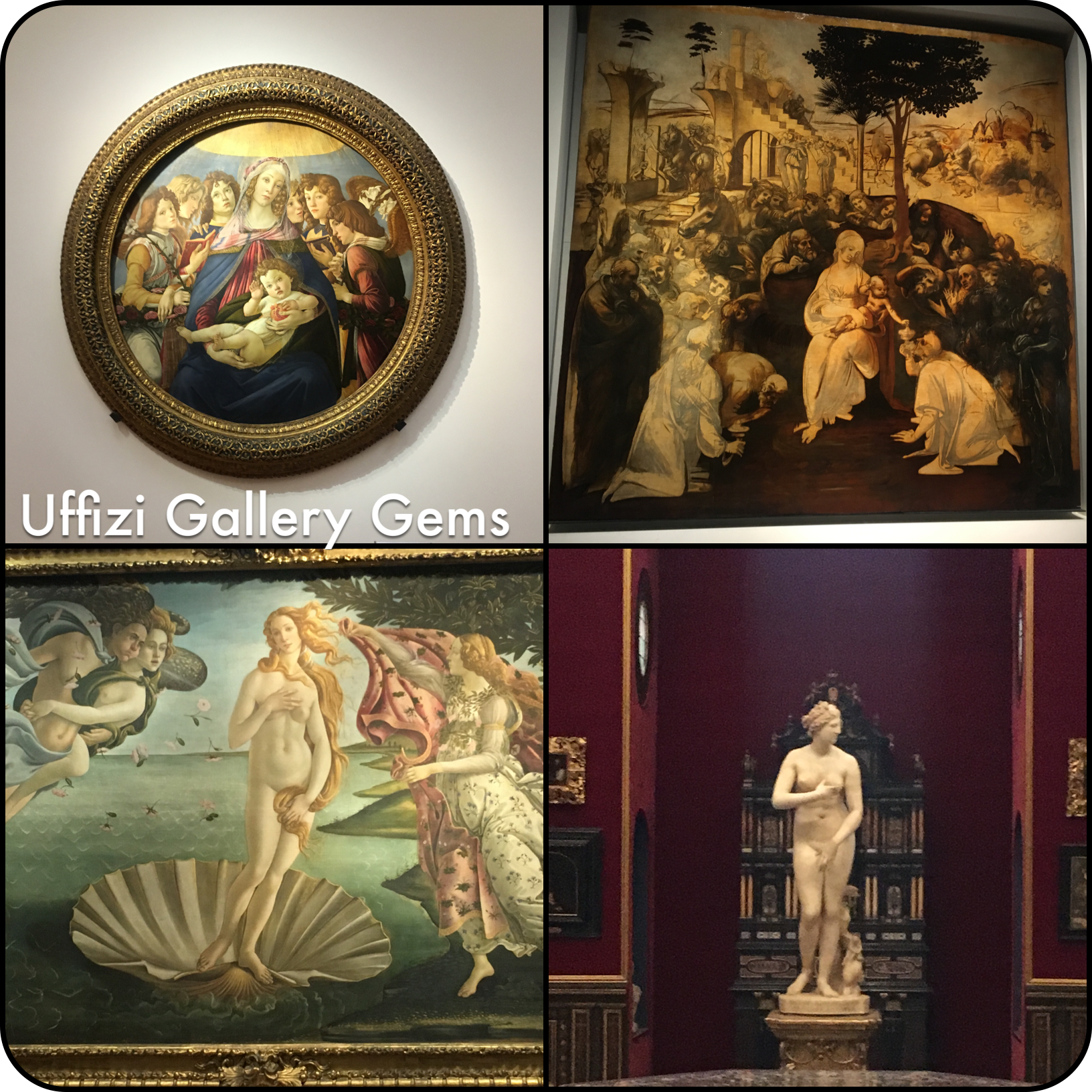
From the Ponte Vecchio, the famous covered bridge with jewellery shops lining each side, through the pedestrianised area to the elaborately decorated, Gothic-fronted Duomo, the streets and laneways bristle with fine examples of the period architecture, including some of the Medici palaces and halls. They are also teaming with tourists all year round and we jostled constantly with groups of selfie-stick wielding, audio-guide enhanced holiday makers, competing for pavement space and the premium photo shot position at every turn. This annoyance aside, we all loved Florence for its stunning, compact city centre, scenic location in a river valley surrounded by rolling hills and the omnipresent array of beautiful art.
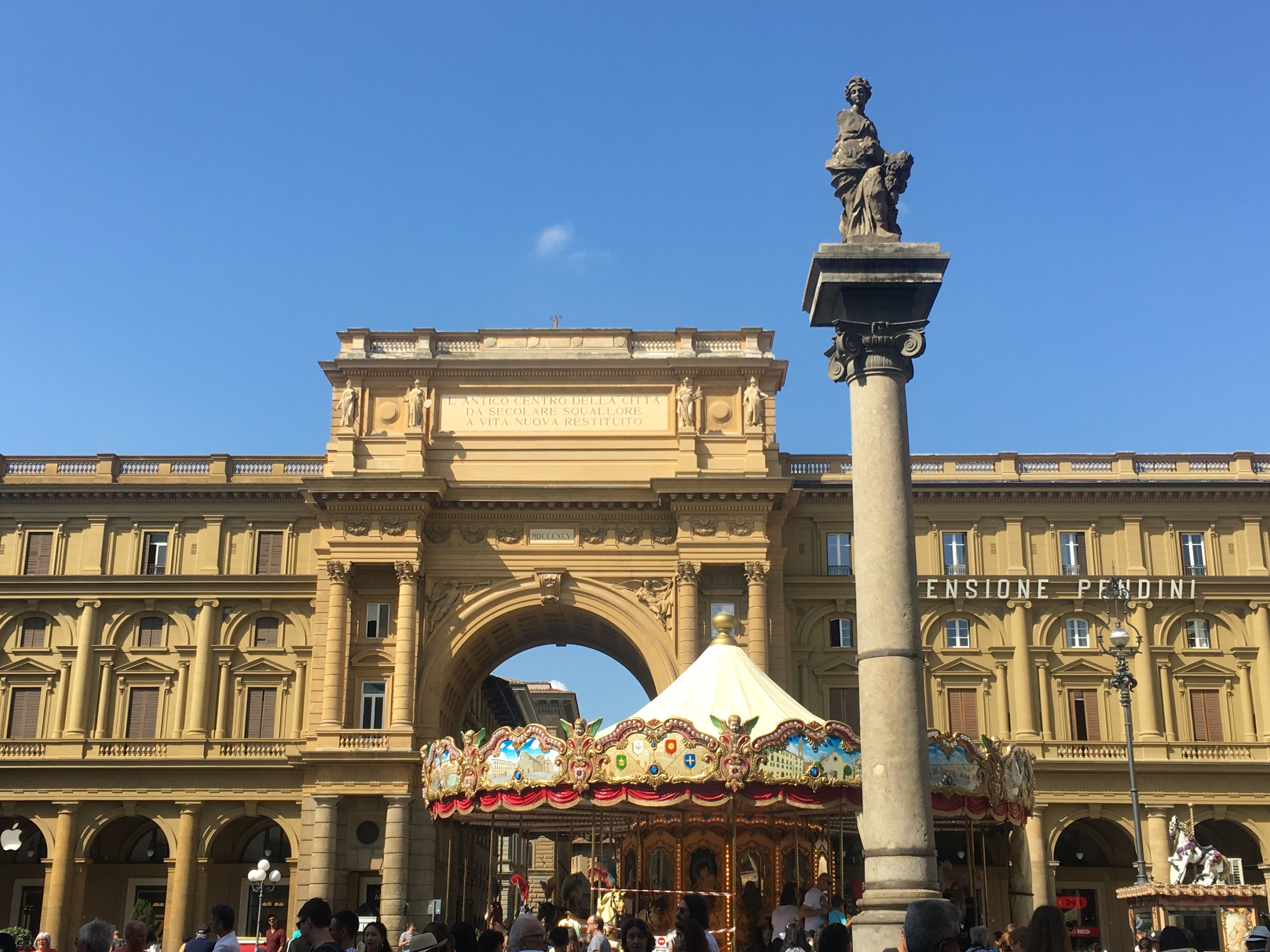
A highlight of our four days in Florence was a visit to the Uffizi Gallery, a must-see Florentine attraction housing an unparalleled collection of Tuscan medieval religious art, through to local and Flemish art of the Renaissance. Expertly restored Masters such as Lippi, Botticelli, da Vinci, Rafael, Michelangelo, Titian, Van Dyck, Rubens, Caravaggio and Rembrandt are wonderfully curated in a grand 16th Century building that was once government offices. The Uffizi is, quite simply, Italy’s finest picture gallery.

 Clapmacks Foray into Retirement