Let’s make one thing clear from the start – we are not cruisers. By cruisers we mean those people whose sole purpose in life seems to be going on ocean bound cruises to every corner of the world. Each waking breath when not aboard ship is taken up with planning the next cruise: which cabin to choose; what to wear to Captain’s Night; whether to take the standard or premium drinks package; which lanyard to use to show off the platinum cruise card to best advantage. Once on board, they regale fellow passengers with tales of derring-do from previous cruise adventures whilst craftily manoeuvring themselves to be first in line for the show, breakfast buffet, cocktail hour etc. Well we’re not like that.
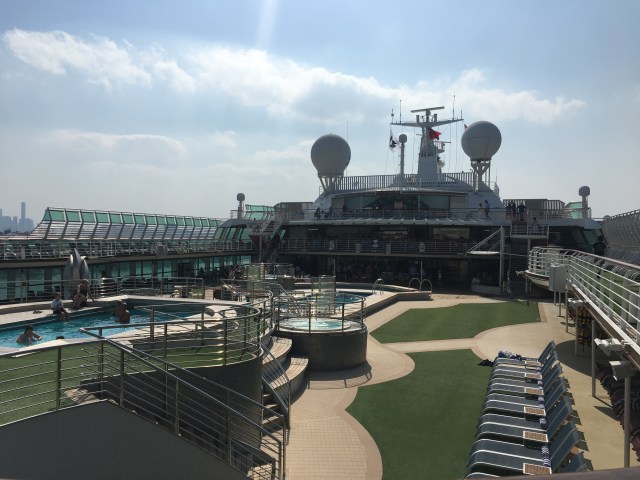
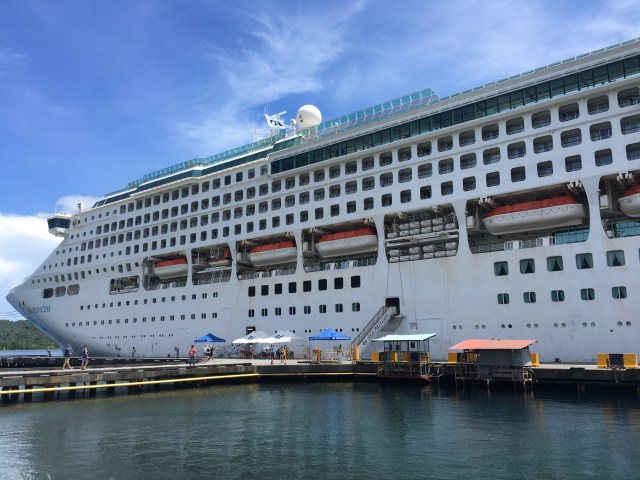
Having said all that, one bright sunny December afternoon, we found ourselves on the deck of the Sea Princess, a 260m long, 77,500 ton, two thousand plus passenger cruise ship, steaming out of Brisbane Harbour for what would be our fourth cruise ship experience. How did that happen?
Our first cruise was in 2015 when, during a trip in South Patagonia, we struck a deal on a four-day expedition cruise around Cape Horn and through the Chilean coastal fjords. Following this in the same year we joined two couples, close friends from WA, in Dover for a fortnight cruising the North Sea to Iceland. Emboldened by these two experimental forays into the world of cruising the high seas, having greatly enjoyed both adventures, we undertook the mammoth relocation cruise in 2018 from Fremantle to Lisbon, a 39-day ocean going journey aboard a small traditional cruise vessel carrying 560 passengers.
Things that drew us to cruises primarily were the places they visited. We would never have gone to islands such as Cape Horn, The Faroes, Reunion, St Helena had it not been for the cruises we took. This, coupled with the gentle, relaxed pace of sea days where the only choices required are what to order off the extensive gourmet menu in the dining room, where to plonk the poolside towel for maximum sun/shade (according to preference and weather conditions) and what book to read next met our increasing need for a slow-living lifestyle as we transitioned to retirement. Also, cruising with long-time friends proved most enjoyable.
When Kath and Don, two of our cruise buddies from the Iceland trip, suggested an intriguing 11-day cruise from Brisbane to the Eastern Islands of Papua New Guinea some time ago, we were naturally interested. The timing worked well as Sue had by then retired and we were home from our Europe and South Australia trips and we had yet to explore any part of Queensland. And that is how we found ourselves once more in a cruise terminal with Kath and Don on 8 December waiting to board the Sea Princess, our second Princess Line cruise.
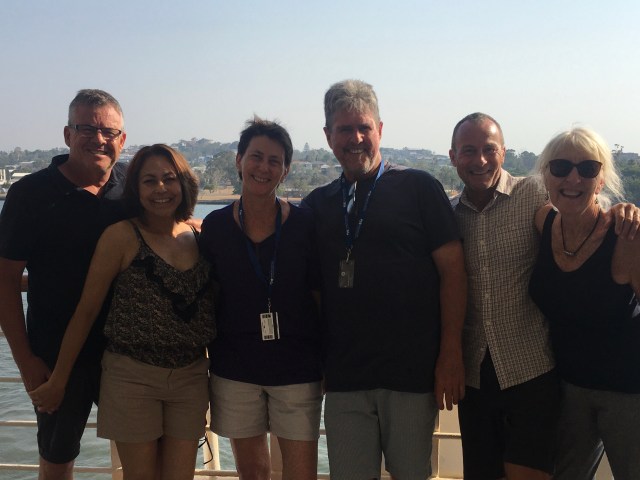
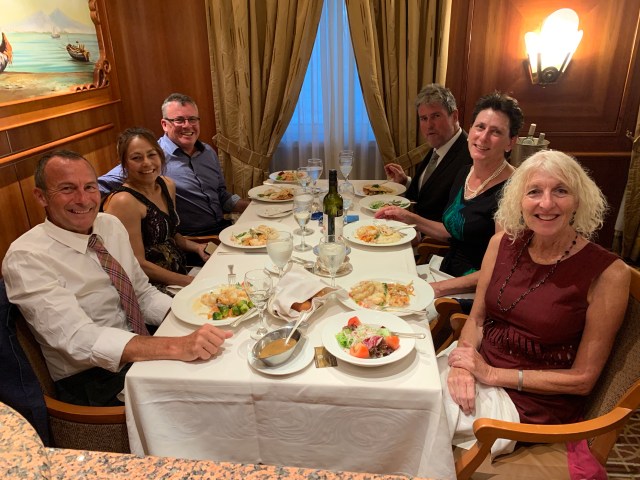
The intrepid foursome were joined on this occasion by Corinna and Paul, friends of Kath and Don from Pemberton. Both couples run luxury accommodation businesses in Pemberton – Kath and Don have Marri House and Corinna and Paul have Big Brook Cottages, so we were fortunate that they were able to get away for a break ahead of the crazy Christmas rush. We all met up for breakfast at Point Hotel in Kangaroo Point where we had been camped for the preceding days as we explored Brisbane City. Later that afternoon we steamed away from the harbour together on board our floating hotel, downstream along the Brisbane River and out to sea.
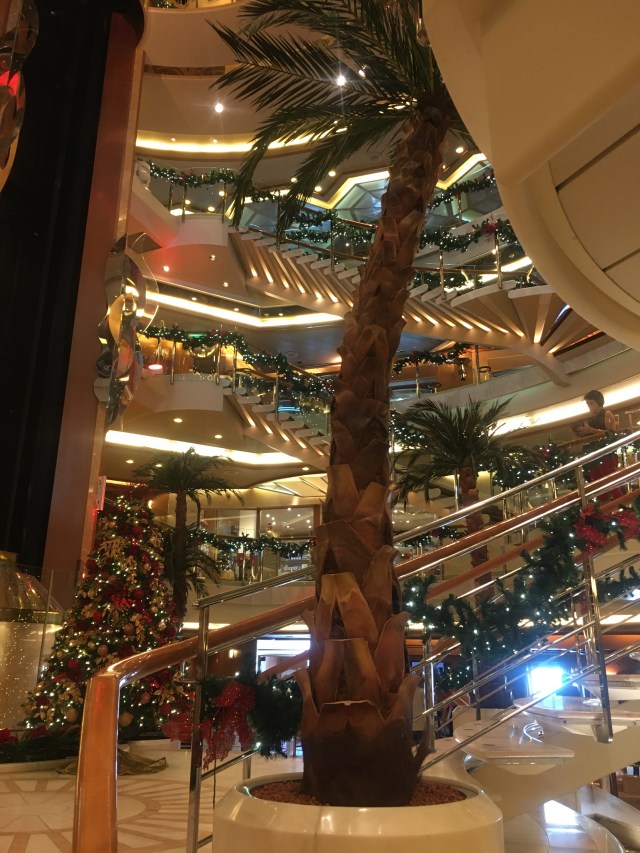
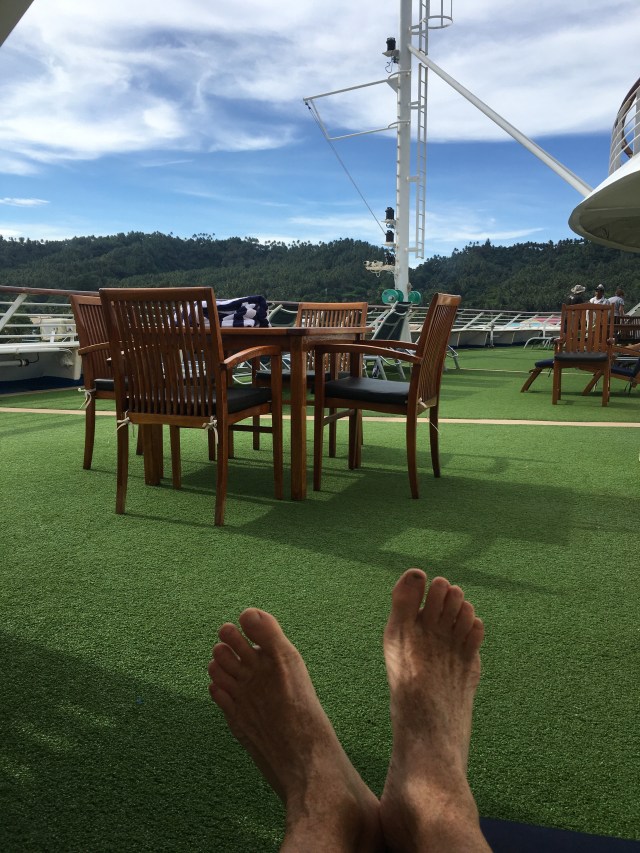
The first two days were sea days, sailing steadily north towards the tropical waters off the coast of Papua New Guinea. This gave us the opportunity to hang out with our friends, get to know Corinna and Paul (who we had only met briefly once before), learn the layout of the ship (11 days later and Captain Compass, aka Graham, was still getting confused between decks, forward and aft), lounge around the pool and feast in princely fashion at the a la carte dining room. The food and excellent service were in fact highlights for us, with plenty of fish options to satisfy our pescatarian preference. It’s very easy to judge disparagingly the cohort of grossly overweight passengers who drag their sagging bodies relentlessly from one meal to the next five times a day but the lure of high quality food on the Sea Princess is very seductive. According to some research, the average cruiser increases their body weight by 1.5kg per week while on a cruise. We were determined to defy this statistic and made sure we paced the deck and hit the gym daily. By this strategy we almost achieved our goal – but in the end the dining room won.
The Sea Princess was the largest cruise ship we had travelled on to date, with 14 decks and over 2,000 passengers. This came with some challenges, such as overcrowded lifts (that we assiduously avoided), not enough loungers around the pool (we often sat at the rear deck) and insufficient seating for the evening shows (we only attended three of the eight on offer). These minor annoyances were overcome by the sheer size of the ship that enabled us to find quiet places, principally by steering clear of the buffet area, and the range of people accompanying us on our journey. As always when travelling, we enjoyed meeting and chatting with fellow passengers. Of note are Karen and Adam, an English couple who were into their 13th month of a 16 month world adventure, including African safaris that piqued our interest. We met up with them again in Perth over Christmas after the cruise and will most likely see them in the future back in the UK.
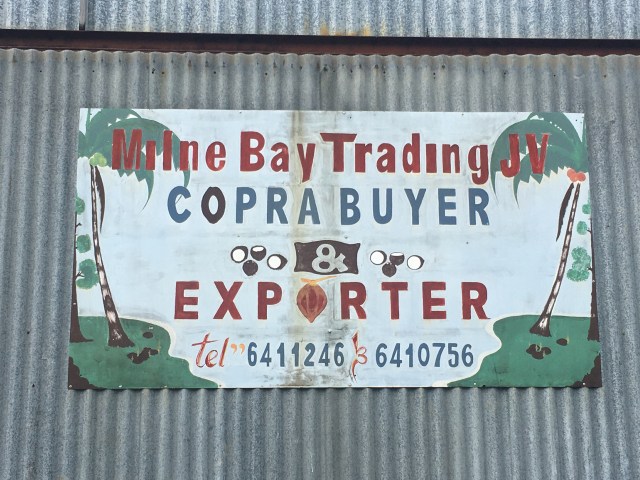
After two days at sea we entered the Solomon Sea on the morning of 11 December, docking at Alotau in Milne Bay Province on mainland PNG. Steeped in military history, Milne Bay was the site of a major battle in WWII where the allied forces repelled the advancing Japanese forces. This was a major victory that turned the tide of war in the Pacific and ensured the safety and freedom of Australasia. Other than that piece of historical interest, Alotau itself holds little to attract visitors. It’s essentially a scruffy, rough port town with a rubbish problem and evidence of lawlessness in the heightened security surrounding the port, civic buildings, larger houses and the only resort alongside the port. The local people seemed friendly enough but there was a definite undertone of menace, such that we were glad to leave, looking forward to a more gentle, traditional welcome on the smaller islands off the coast.
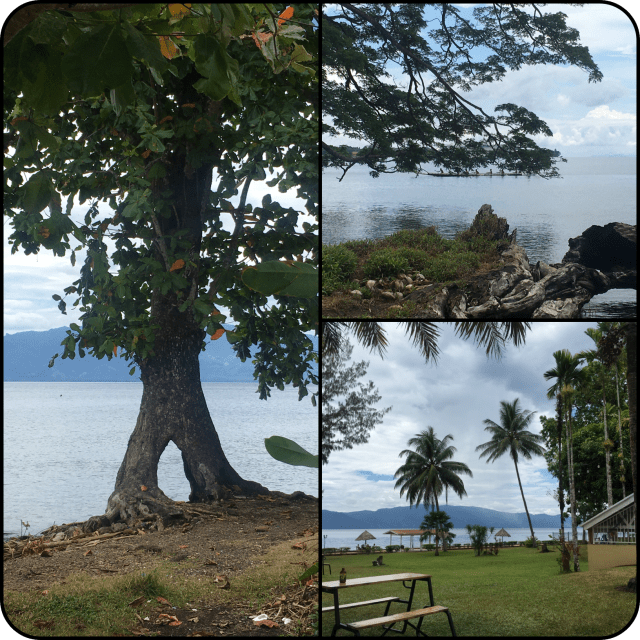
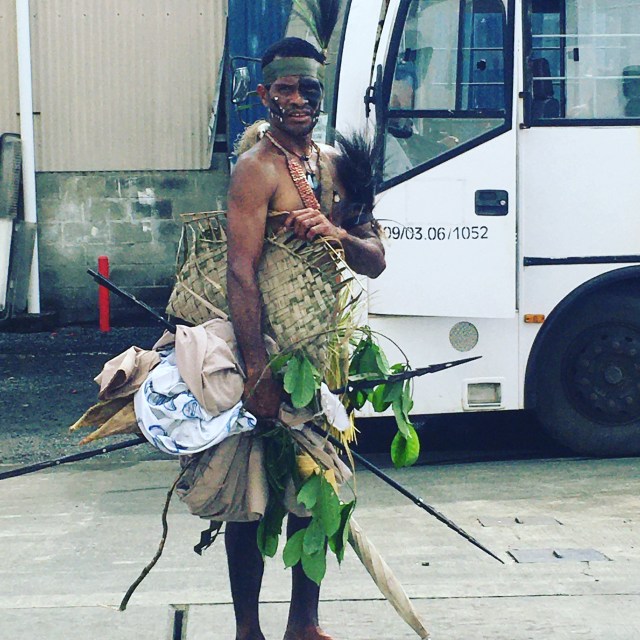
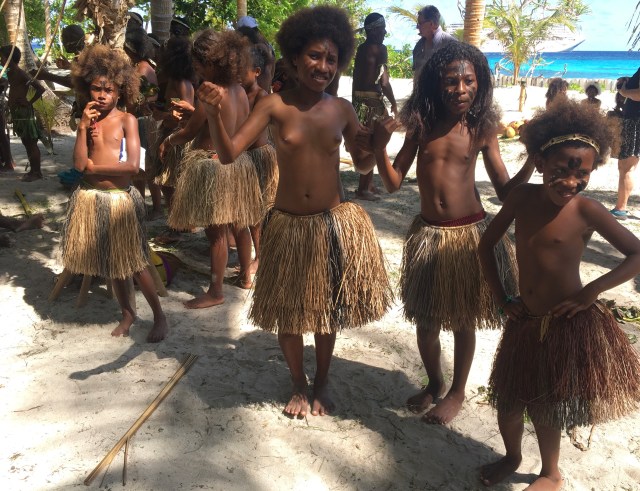
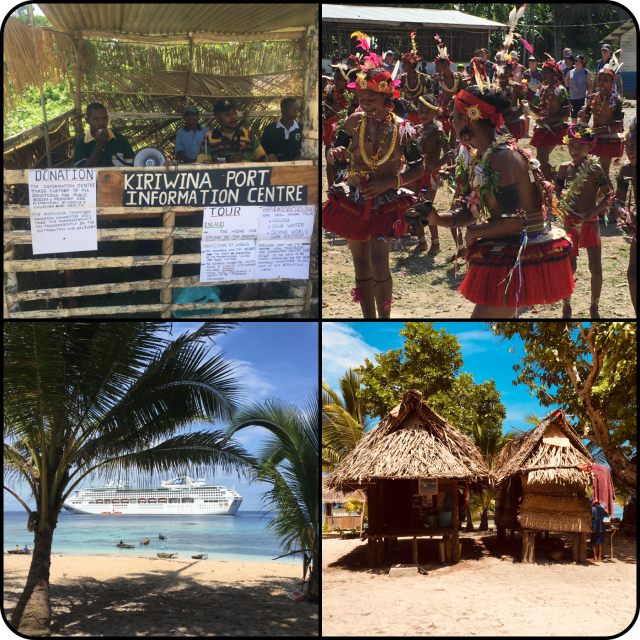
At Kitava the following day we had our first taste of typical PNG Island life. Here on this large, tropical island, white sand beaches fringed with lush rainforest and skirted by coral reefs, local villagers lined the beachfront where the tenders from the ship ferried passengers by the hundreds. We were treated to cultural music and dance performances by eager school children dressed in colourful traditional costumes and wearing smiles to melt your heart. Children from schools all over the island had converged at the beach around the tiny jetty, keen to show off their musical prowess and raise money for their schools. Local stalls were set up, showcasing and selling fine examples of wood carving with mother-of-pearl inlay that typifies the local craft.
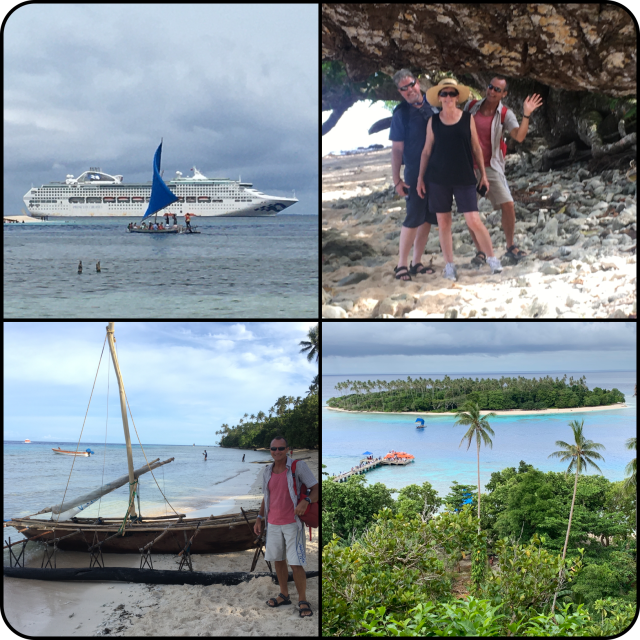
The coral reef, which runs almost to the water’s edge along the beach, is unprotected. We attempted to snorkel from the beach but felt very uncomfortable walking over coral in the shallows to reach deeper water and quickly gave up. In the end we simply sat on the beach, having explored the arts and craft stalls and watched the children’s performances, soaking up the magnificent, unspoilt scenery under the tropical sun.
From Kitava we cruised further north to Rabaul on the eastern tip of East New Britain Province. Rabaul was the provincial capital and the most important settlement in the province until 1994 when it was destroyed by a volcano in the harbour, killing 5,000 people. From this tragedy a rebuilding effort has resulted in a cute little port side town with a thriving market (selling, among other things, betel, plaited ropes of tobacco and flour sausages to feed local habits), a volcanology centre, a new resort and a competitive tourist trade.
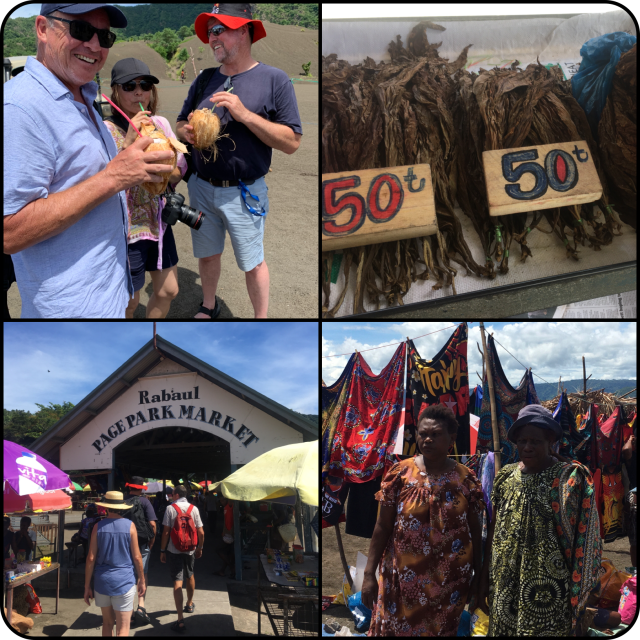
We negotiated with local transport vendors before setting off in the back of an open sided truck to see the local attractions of the volcanology centre up the hillside with stunning views across the bay, the hot springs and the burnt out caldera of the 1994 volcano eruption. At $10 each, our mini tour mirrored the same excursion that other passengers had paid $90 each for, from the choices of shore excursions offered by the ship. A tip – local tours are often significantly cheaper than cruise company tours!
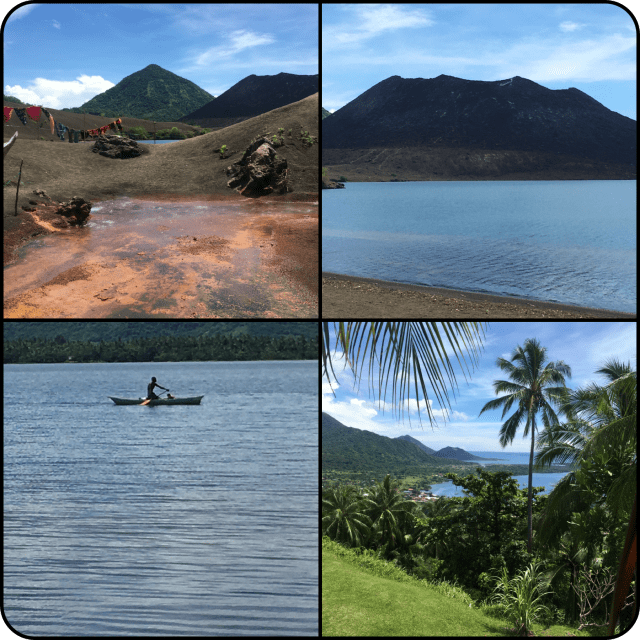
Rabaul was the furthest north we ventured in the Solomon Sea before heading back to Milne Bay Province and tiny Kiriwina Island, close to Kitava. Much like Kitava but on a smaller scale, we were treated once again to the beautiful smiling faces of local musicians and dancers as we wandered along white sand beaches and swam in the crystal clear waters out to the drop-off. Here the colourful coral reef was alive with tropical fish displaying bright neon colours in a range of sizes and shapes. The drop-off was a long way out from the beach and without fins, the distance was too challenging for Sue, but Graham, along with Kath and Don, found the experience well worth the effort. When not swimming, we walked into the little village set back from the beach. Simple wooden stilt huts reflect the basic agrarian lifestyle of the villagers whose culture and farming practises seem unchanged through time.
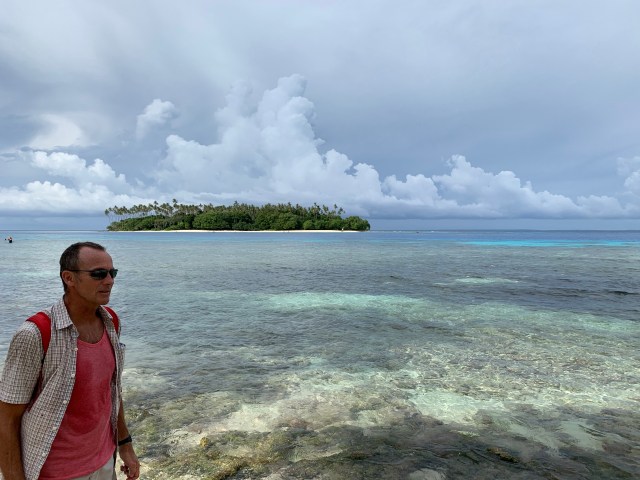
The final stop on our great PNG cruise adventure was Conflict Island. This is an atoll of small islands, privately owned by an Australian billionaire, we were informed by the ship’s captain. The surrounding ocean is a marine park and Conflict Island contains a turtle hatchery that protects and encourages the preservation of this gracious sea creature. It was our favourite destination.
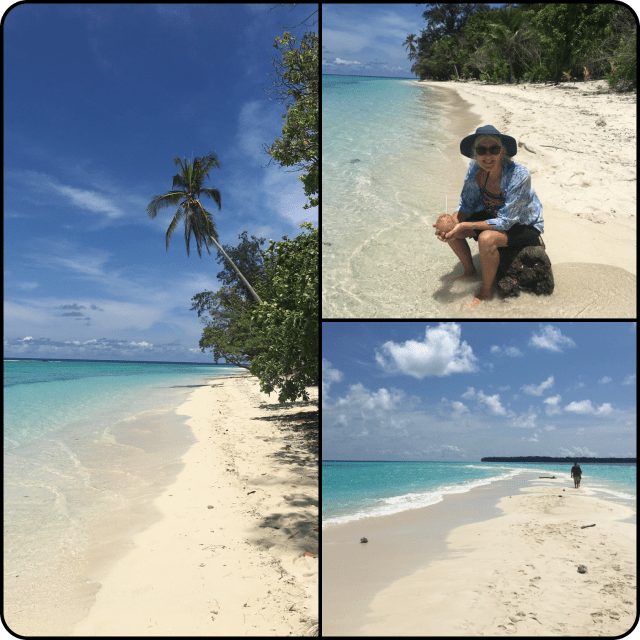
Pristine coastline and reef with beautiful beaches running around the perimeter and idyllic views to classical palm fringed tropical islands nearby. On this, our final foray into the tropical coral waters, Sue braved the swim out out to the drop-off and together we snorkelled along the reef amongst schools of impossibly colourful fish, over blooming outcrops of various corals, sighting reef sharks and sea turtles along the way. It was magical and totally beguiling, so much so that Sue completely overcame her anxiety at being in deep waters 80m from shore and had to be coaxed back in before she developed gills.
Erstwhile fears of the deep aside, Sue has sea water in her veins. Her Dad was a merchant seaman in his early days and her maternal grandfather was on the London docks for most of his working life. Being near the water (lakes, rivers, oceans, muddy puddles) soothes her soul and standing on the deck of a ship with nothing but the sea to the horizon in every direction is her idea of heaven. Graham, on the other hand, suffers from motion sickness. As a child he couldn’t have bath toys to accompany his weekly bath-time in case they created nausea inducing ripples. Not much has changed since then. So it’s with great delight for Sue, and relief for Graham, that he’s coped so well on the four cruises we have undertaken to date. Perhaps the drugs and little elastic pressure point bracelets permanently worn whilst on board have done the trick. Whatever the reason, the six of us disembarked at Brisbane quay having thoroughly enjoyed our PNG cruise together. In fact, our sights are now set on a 14-day cruise in 2021 with Kath and Don, and possibly Corinna and Paul as well, to Greenland, for which we have paid a deposit. But, as mentioned to start with, we are not cruisers. Hmm…
Postscript:
Following such a lovely time on board with our Pemby buddies, we joined them in Pemberton for New Year, along with Barb and Dave who were with us in 2015 on the Iceland cruise. We stayed with Corinna and Paul in their beautiful cottages near Big Brook. Not sure what we’ve done to deserve such a great life with good people as friends. We just hope it continues.
 Clapmacks Foray into Retirement